
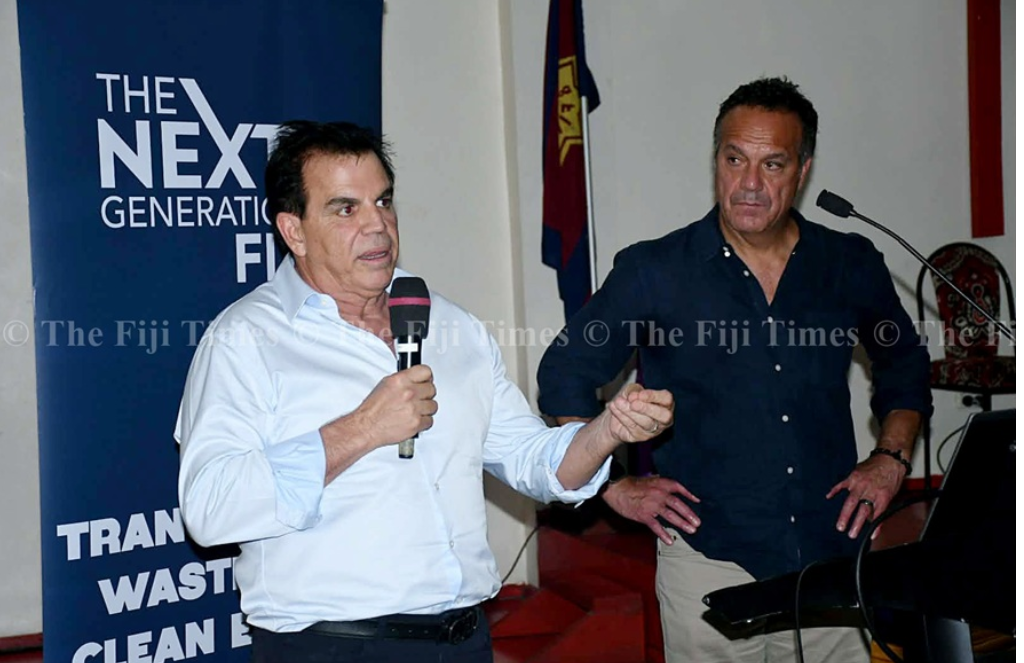
THE Next Generation Fiji has reiterated that the proposed Vuda energy from waste project will only process non-hazardous municipal solid waste.
In a statement, TNG Fiji founder Ratu Qativi Robert Cromb said he understood people’s concerns and questions about the project.
“Our responsibility is to answer them clearly and transparently,” he said in a statement.
The company explained that all waste headed to the proposed Vuda facility would be subject to classification, screening, and verification processes at its point of origin, before transport and prior to acceptance at the facility.
“Materials that will not be accepted include medical and clinical waste, hazardous industrial chemicals, radioactive materials and any waste streams not compliant with regulatory standards.”
Mr Cromb said these exclusions were not just policy.
“They are embedded into the design, operating procedures, and contractual framework of the project.”
According to TNG Fiji, the facility is designed specifically for non-hazardous municipal waste, including food and organic waste, paper and cardboard, plastics and packaging and textiles and non-recyclable residual waste
“This is the same waste currently accumulating in Fiji’s landfills and, in many cases, being burned in uncontrolled conditions.
“The project incorporates multiple layers of control and monitoring, including pre-shipment waste verification, on-site inspection and rejection protocols, continuous environmental monitoring systems and independent regulatory oversight.”
Mr Cromb reiterated the project would be assessed through Fiji’s full regulatory process.
“There are no shortcuts. The science, the law, and the public consultation process will determine the outcome.”
“We remain committed to engaging openly with communities and ensuring that any development is done properly, transparently, and in the long-term interests of Fiji.”

