
THE proposed Employment Relations Bill has come under fire for creating a system that is structurally bad and provides an invitation to bribery and corruption, says Munro Leys partner Jon Apted.
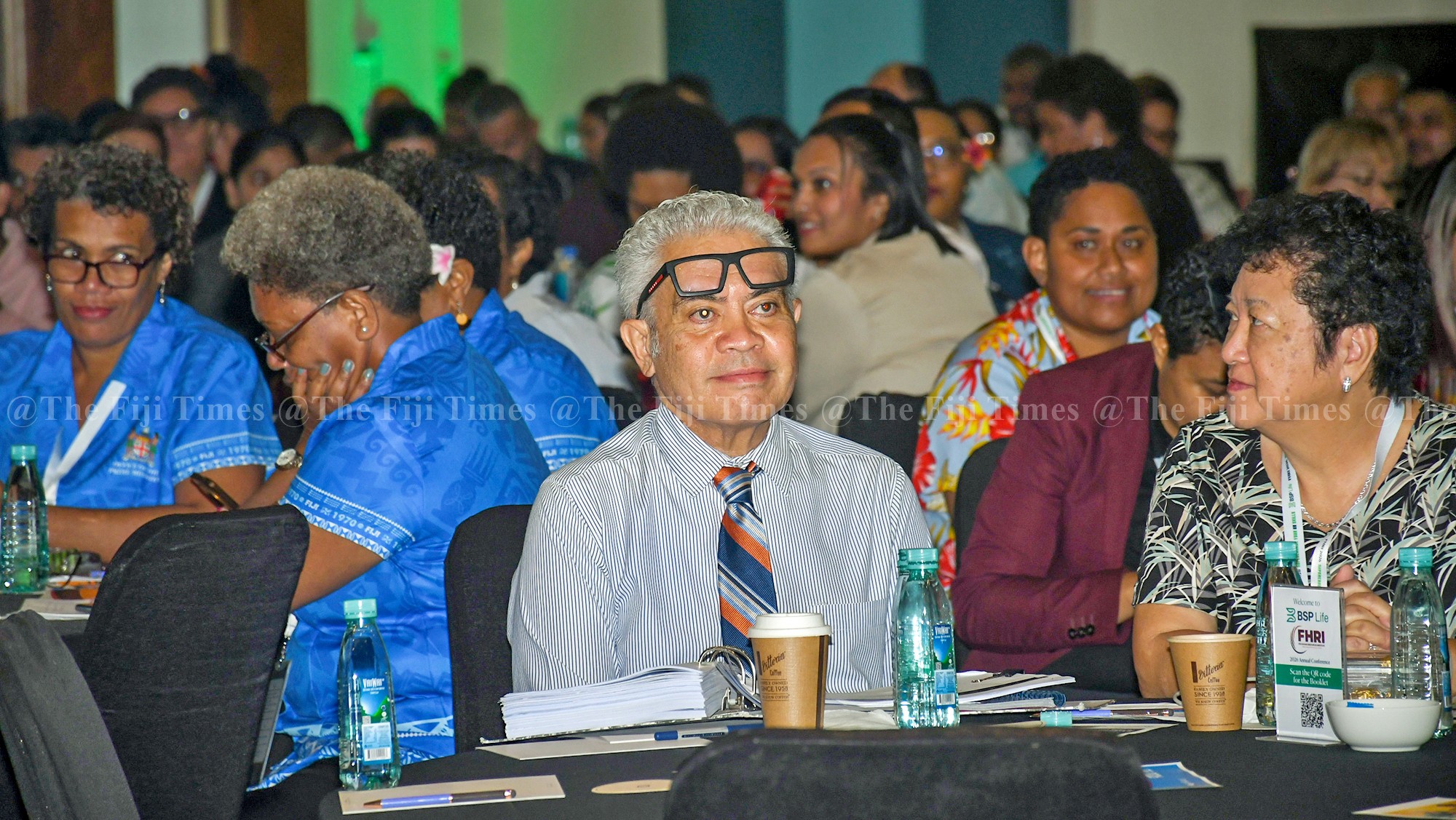
Addressing the BSP Life Fiji Human Resources Institute (FHRI) Annual Convention at the Sofitel Fiji Resort and Spa in Nadi last week, Mr Apted raised serious concerns regarding the Ministry of Employment’s dual power to pursue both civil penalties and criminal prosecutions for the same breach.
”Civil penalties, they’re usually used instead of criminal offences, except for the overlap usually is only in very serious breaches and that’s the difference, we don’t know why they’ve overlapped them throughout,” he said.
Mr Apted pointed out that under the proposed framework, the ministry could bring civil penalty proceedings against an employer and still prosecute them afterward, but if a criminal conviction was secured first, a civil penalty could not be pursued.
”These powers, the discretion in the Ministry of Labour to do this is an invitation to bribery and corruption, especially given the high penalties because unscrupulous businessmen faced with these draconian consequences will offer $500, $1000,” he said.
Using a security company with 100 staff as an example, Mr Apted suggested that a firm facing a $100,000 fine for pay breaches would be highly incentivised to offer bribes.
”I’m not saying all labour officers, but labour officers are human, they have bills to pay, commitments. This creates temptation, it’s very structurally bad.”
Mr Apted said in other jurisdictions, the power to charge was separated from the power to prosecute, usually requiring approval from the Director of Public Prosecutions (DPP) to ensure decision-making was spread out.
If the proposed Bill was passed, probation would be strictly limited to three months with a single three-month extension.
Mr Apted said employers would no longer have special protection during this period.
”The same rules apply during probation, same leave, same requirement to give notice and you are liable for unjustified dismissal, even if it happens during probation.”
”In other countries, you can’t bring an unjustified dismissal claim unless you’ve worked for six months or 12 months and that’s to allow employers to take the risk, to encourage employment.
“This kind of policy means that every time you hire somebody, you’re taking a huge risk.”

