
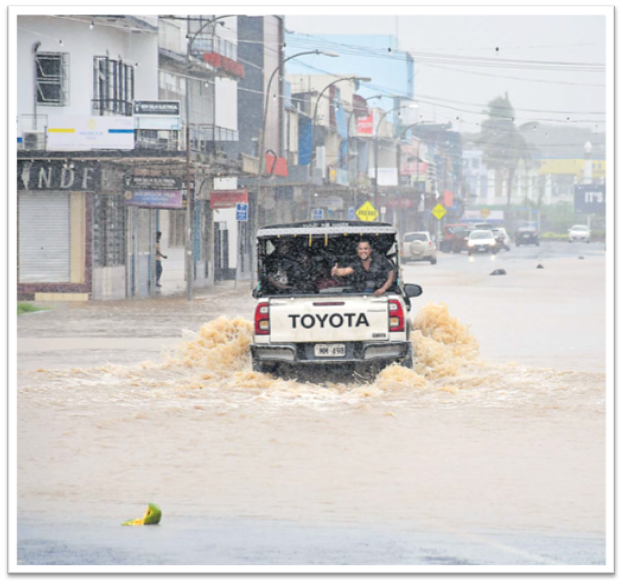
FLOODING is a recurring challenge that affects many communities, especially during the season of adverse weather which occurs in Fiji between November and April.
While the immediate focus is on safety and recovery, an equally critical concern is the quality and safety of food, household items, and other essentials in the aftermath.
Consumers and traders alike must exercise vigilance to ensure public health and wellbeing.
By staying informed and adopting practical strategies, we can minimise risks and navigate these challenges effectively.
This feature article discusses the challenges and responsibilities of both consumers and traders in the aftermath of flooding, particularly in relation to trends seen by the Consumer Council in previous years.
It focuses on the importance of ensuring food safety, addressing the impact of power outages on frozen goods, evaluating the condition of furniture and vehicles post-flooding, and combating price gouging during cyclone season.
Food safety in flood-prone areas
In the aftermath of a flood, some traders may attempt to sell stock damaged by floodwaters at reduced prices. While these bargains might appear attractive, they pose significant health risks.
Consumers are urged to carefully inspect any food item before purchasing.
Pay special attention to the integrity of packaging, as damage, swelling or breakage can indicate contamination.
Checking expiry dates is also essential, especially for discounted goods.
In previous years, the Council has received reports from concerned consumers who were being sold food items that had been contaminated by flooding, including the sale of staple goods such as flour, rice, daal, and other fresh food.
Traders must prioritise consumer safety over profit. Selling flood-damaged goods, regardless of the price, is not only unethical but also illegal.
Selling contaminated food is a violation of the Food Safety Act of Fiji, as it puts public health at risk.
In previous years, the Council has referred cases to municipal councils’ health inspectors, who can impose hefty penalties on traders for violations of the Food Safety Act.
For consumers in flood-prone areas, preparation is key. Familiarise yourself with local supermarkets and community shops, and be cautious when purchasing from establishments affected by floods.
Trust reputable vendors who prioritise safety and quality, and avoid taking risks with questionable items.
Impact of power outages on frozen foods
The adverse weather season often brings prolonged power outages, which can compromise the quality of frozen foods. This issue affects both traders and consumers and requires vigilance to prevent health hazards.
Consumers should inspect frozen items for signs of spoilage, such as discolouration, unusual odours or ice crystal build-up.
If in doubt, it is safer not to buy such items than to risk foodborne illnesses.
Traders must ensure that frozen goods affected by power outages are not sold.
Items stored improperly during blackouts, especially in the absence of a generator, are unfit for consumption and must be disposed of responsibly.
Maintaining consumer trust hinges on upholding these ethical practices.
Furniture and household items post-flooding
Floodwaters can wreak havoc on furniture and other household items, leaving hidden damage that may not be immediately visible.
Consumers looking to purchase second-hand furniture after a flood should inspect items thoroughly for signs of water damage, mold, or weakened structural integrity.
While low prices might seem enticing, they can often mask significant issues. Always ask about the item’s history and ensure it is safe for use.
Traders, on the other hand, should disclose any flood-related damage to household items.
Selling compromised goods without transparency not only damages trust but also places consumers at risk. Ethical practices are essential in fostering community resilience.
Price gouging during adverse weather
During adverse weather, there is often an increased demand for essential items such as candles, batteries, and non-perishable foods.
Unfortunately, this often leads to unethical practices like price gouging on these items. Traders who inflate prices exploit vulnerable consumers, which is prohibited under the FCCC Act, specifically addressed in Sections 66 and 76.
Consumers should stay vigilant and report any instances of price gouging to the relevant authorities.
Keep receipts or take pictures as evidence of inflated prices and hold traders accountable for unethical practices. By doing so, we can collectively discourage exploitation during times of crisis.
Flood-affected vehicles
Vehicles driven through or submerged in floodwaters often suffer long-term damage.
For consumers considering second-hand vehicles, thorough inspections are crucial.
Engage a certified mechanic to check for flood-related issues such as compromised electrical systems or rust. Additionally, request detailed documentation about the vehicle’s history to ensure transparency.
If you have driven your car through floodwaters, it is equally important to have it professionally inspected. Addressing potential damage early can save you from costly repairs in the future and ensure your safety on the road.
Practical tips for consumers and traders
1. Inspect before buying: Whether it is food, furniture, or vehicles, always check for signs of damage or spoilage. When in doubt, seek advice from the Council.
2. Plan ahead: Stock up on essentials like non-perishable foods and batteries before cyclone season to avoid last-minute purchases at inflated prices.
3. Be transparent: Traders should disclose any damage to goods and refrain from selling items unfit for use. Upholding ethical standards builds trust and fosters community resilience.
4. Report unethical practices: Consumers should report any instance of price gouging or the sale of compromised goods to the Council for further action.
Conclusion
Post-flooding recovery is a shared responsibility between consumers and traders. By staying informed and adopting ethical practices, we can protect public health, ensure fair trade, and build a safer and more resilient community.
The Council will continue supporting consumers and addressing challenges during and after natural disasters. For assistance, contact our national toll-free helpline at 155.
Together, we can navigate these trying times with confidence and care.
NOTE: This article was first published in the print edition of the Fiji Times dated January 04, 2025.

