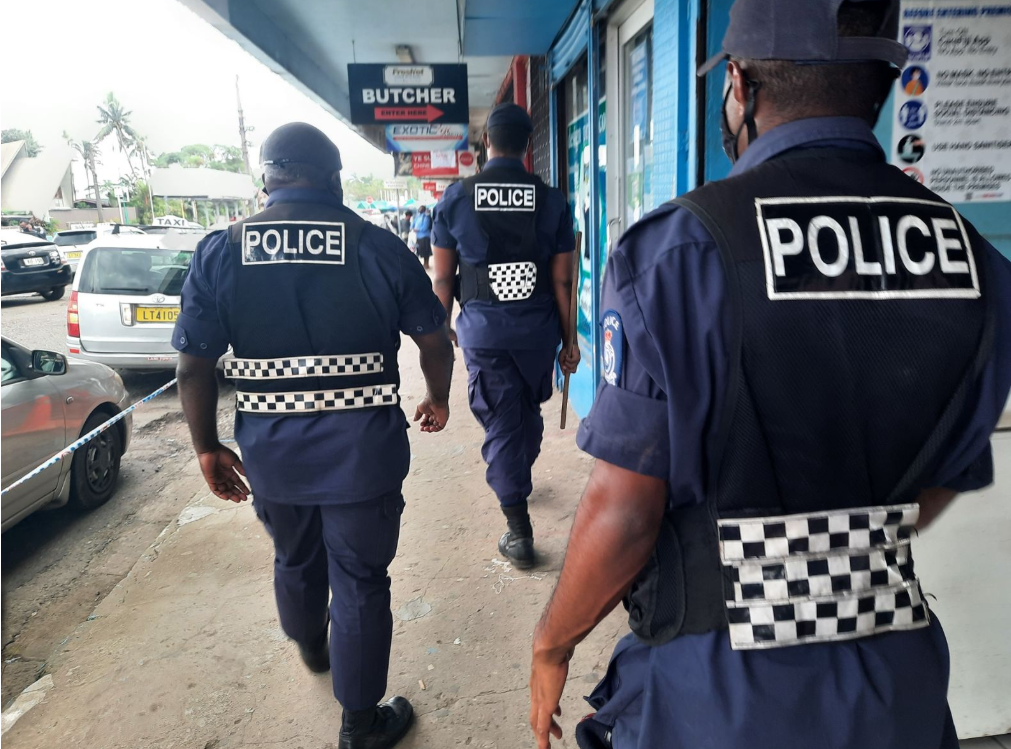
POLICE officers suspected of using illicit drugs could soon face mandatory testing, with the new Police Bill 2026 giving the Police Commissioner legal authority to order tests where reasonable grounds exist.
Police Commissioner Rusiate Tudravu has welcomed the provision, describing drug use within the force as a “contested issue hanging over the institution”.
Speaking during a press conference yesterday, Mr Tudravu said the new legal authority would allow him to direct drug testing of officers suspected of using illicit substances.
“This has been a contested issue hanging over the institution and I am happy that under my leadership we now have the legal backing to direct testing,” he said.
He said the provision would strengthen efforts to address drug use within the force and help rebuild public trust and confidence in the institution and its members.
Mr Tudravu also highlighted other accountability measures in the Bill, including procedural safeguards to improve transparency in handling complaints against police officers and ensure allegations were dealt with appropriately.
He acknowledged concerns raised during public submissions, particularly regarding police powers and access to digital devices, but urged the public to consider the legislation in its entirety.
He acknowledged previous incidents of information leaks involving personal devices but said the proposed powers would strengthen police investigations and improve the handling of information.
“Like a sharpener in the line of investigation,” he said.
Mr Tudravu said guidelines, Standard Operating Procedures and Force Standing Orders would be developed to guide officers in exercising their powers under the new legislation, alongside awareness programs.
He also welcomed sections 138 to 143 of the Bill, which provide a formal statutory foundation for community policing and greater public participation in crime prevention and improving public safety.
He said policing needed to move towards a partnership-based approach, with police and communities sharing responsibility for addressing crime and social issues.