
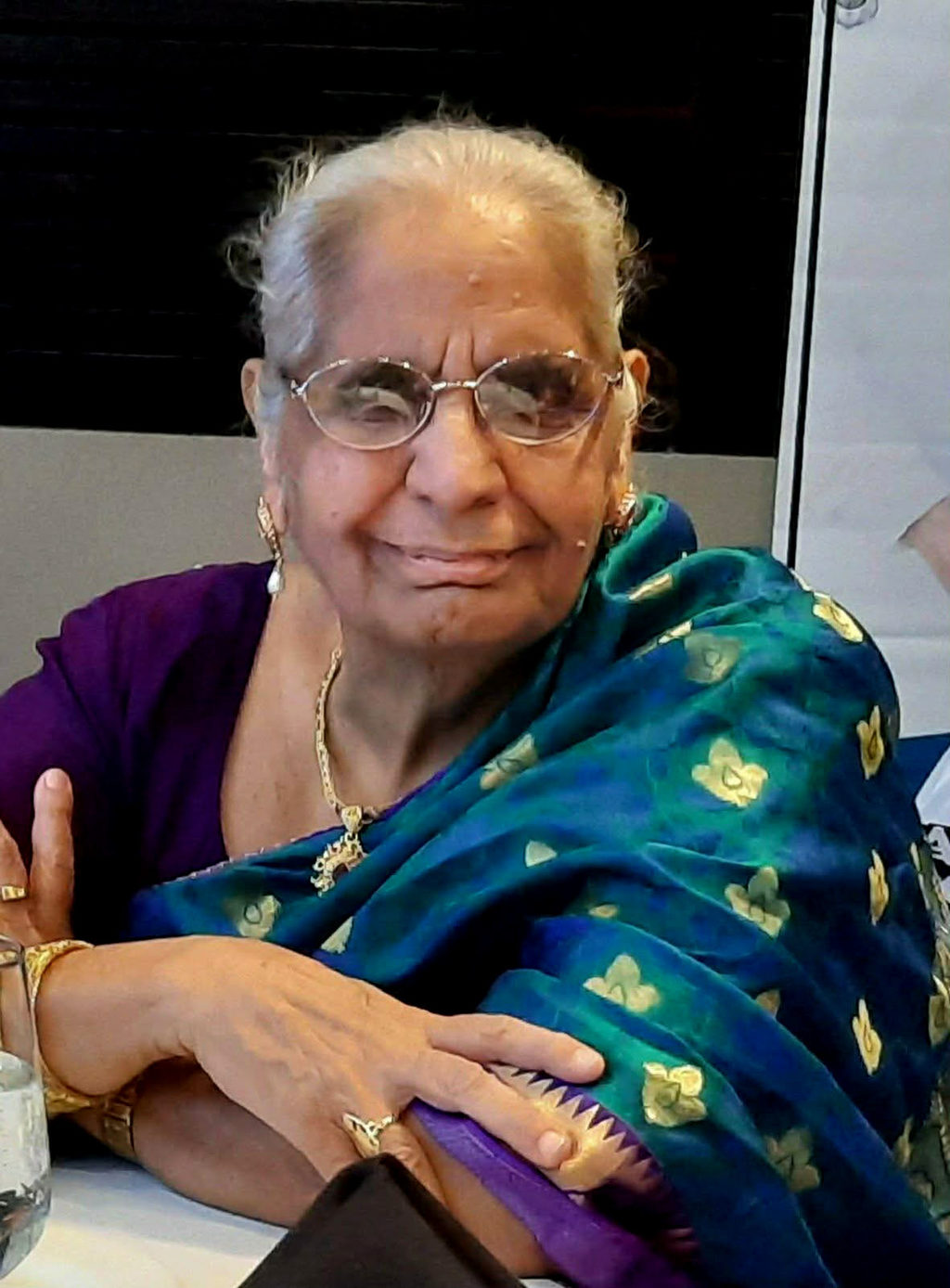
Born in Jalandhar and raised in Mumbai, Suklesh Bali grew up in India’s bustling urban environment, surrounded by apartment living, constant movement and a lifestyle far removed from rural life.
She never imagined that her journey would one day lead her to Fiji, where quiet villages and sugarcane farms would shape both her personal life and professional legacy.
Mrs Bali completed bachelor’s in arts, bachelor’s in education and master’s in arts from Bombay University, equipping her with a strong academic foundation in Hindi language and literature.
Her training prepared her for a career in education that would span more than four decades.
She came to Fiji in 1973, after marrying an Indo-Fijian who was studying medicine in India. The transition from life in Mumbai to a Fijian village brought significant culture shock.
“There was no electricity, homes had wooden floors, small windows that was secured with wooden sticks, and daily life unfolded at a pace I had never experienced — not even in India,” she said.
Fiji, however, became the place where Mrs Bali dedicated her life’s work. She began teaching Hindi in high schools in 1974 and continued until 2007, and in 2008 she became the pioneer Hindi lecturer at the University of Fiji, accumulating 42 years of teaching experience.
Over the years, she witnessed a steady decline in enrolment and enthusiasm for Hindi.
Mrs Bali believed the responsibility did not lie with children, but with parents and society, which increasingly questioned the value of learning Hindi.
She said the language, traditions and cultural identity brought by the Girmitiya no longer cherished with the pride they once commanded.
She described Hindi and Sanskrit as phonetic languages well suited to the modern, technology-driven world, noting their compatibility with computers and mobile devices.
She believes children should be taught about the depth of knowledge within these languages and encouraged parents to use Hindi at home, even with simple word games, rather than relying solely on English.
Mrs Bali expressed deep concern that while overseas countries had introduced Hindi schools and incorporated the language into their education systems, Fiji — once home to the largest population of Girmitiya descendants — was gradually losing its linguistic roots among younger generations.
A survivor of multiple cancer diagnoses, Mrs Bali got diagnosed with ovarian cancer in 2010, breast cancer in 2015, and stage four breast cancer in 2022.
Still undergoing treatment, she said she had overcome more than 90 per cent of the disease and credited a positive mind-set as central to her recovery.
Despite her health battles, she remained a strong advocate for language, culture, and tradition. She believed the mind played a powerful role in healing, saying that when the mind remained positive, the body would eventually respond.
Her most fulfilling moments, she said, came from seeing former students sharing the knowledge she had given them — teaching, leading and holding senior positions in society — affirming that her lifelong dedication to education had made a lasting impact.
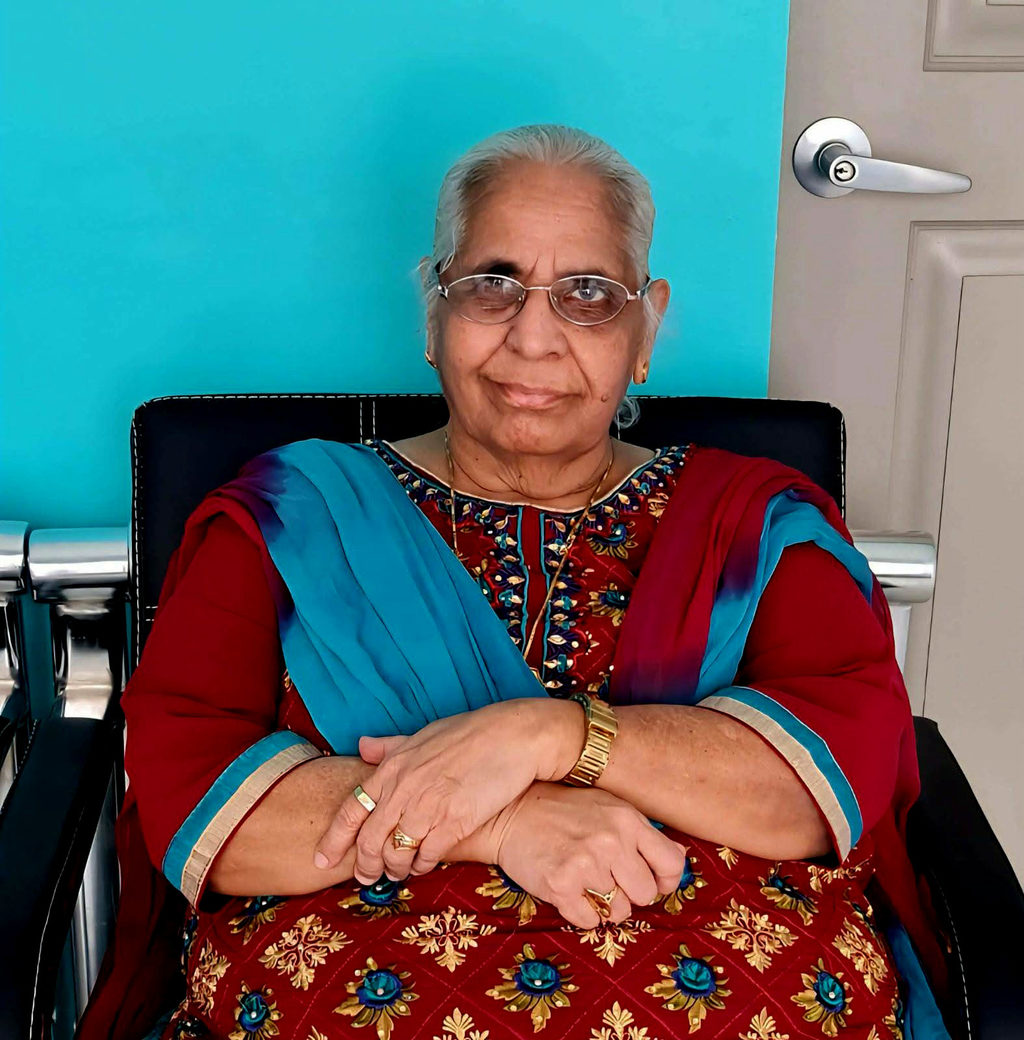
Suklesh Bali, a teacher, a survivor and an advocate for the hindi language. Picture: SUPPLIED

