
IN parts of Australia, you may come across names like Marika.
You may hear island songs at community events, see traditional dances, or meet Aboriginal families with Fijian heritage.
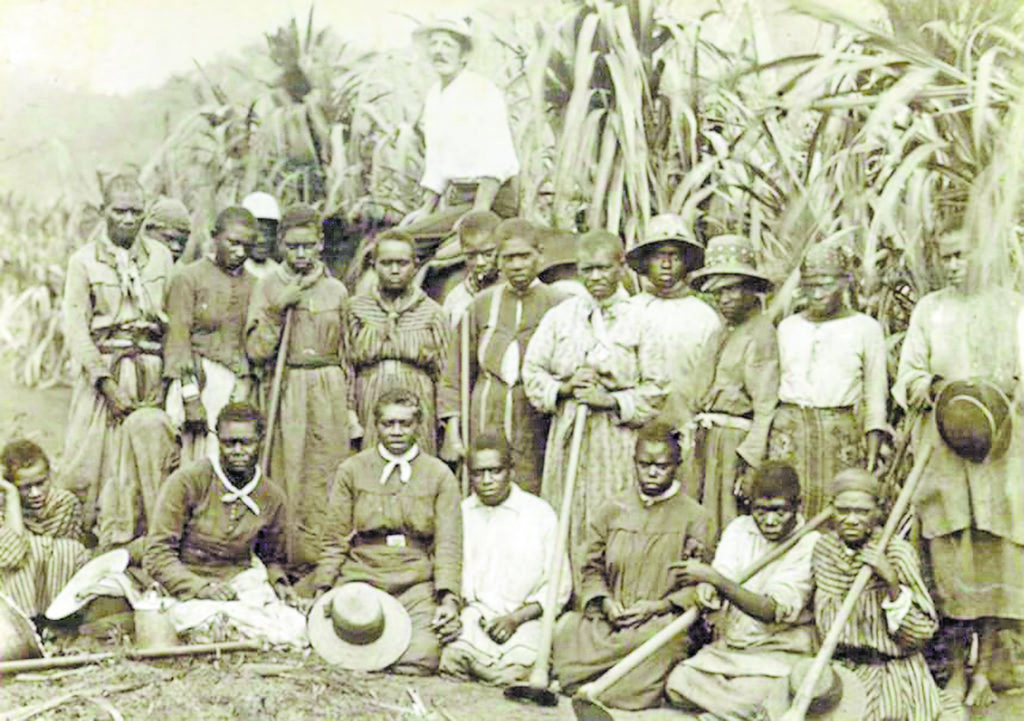
These signs tell a deeper story, one tied to the Pacific Islands, to the early days of colonisation, and to a dark chapter of Australian history called blackbirding.
Many Australians are unaware that people from Fiji were among the thousands taken from their homes during the 1800s and early 1900s to work on Australian farms, especially in Queensland.
This practice lasted for more than 50 years and changed the lives of many Pacific Island families forever.
The Australian National Maritime Museum website said that in 1847, a businessman named Benjamin Boyd brought 65 men from New Caledonia and Vanuatu to New South Wales.
“He was trying to find cheap workers for his property. The plan failed, but it marked the beginning of something much bigger and much more harmful,” according to the website.
It said that as Queensland’s sugar industry grew in the 1860s, ships sailed into the Pacific to find more workers.
“Some men and women agreed to work in Australia, but many were tricked, kidnapped or forced on board.
“Once they were on the ship, they often had no idea where they were going.”
They came from across the Pacific. Many were from Vanuatu, the Solomon Islands, Papua New Guinea and Fiji.
Some returned after their contracts ended, but many didn’t. A large number died before they ever reached Australia. Those who survived worked in hard, dangerous conditions, often for little pay and poor treatment.
Clive Moore, a historian who has studied blackbirding, says that even those who weren’t physically forced into labour were still misled.
Mr Moore calls it cultural kidnapping, meaning they were taken advantage of, simply because they didn’t understand the true nature of what they were agreeing to.
Emelda Davis is a descendant of these Pacific Islanders. She is the daughter of a Vanuatu-born father and an Aboriginal mother and leads an advocacy group in Sydney called Australian South Sea Islanders – Port Jackson.
For her, this history is not just about the past, it’s about identity and justice today.
“For me, and what I’ve always promoted, is that Australia is home to the largest population of Melanesian peoples outside of their Pacific nations,” she said.
Ms Davis said Torres Strait Islanders are also Melanesian, and that the northern parts of Australia have had deep cultural connections to nearby Pacific Islands for a long time, even before colonisation.
“There’s a map I use that shows the Black Oceania region. This includes the pointy tip of Australia, Vanuatu, Fiji and more. We have a circular economy that existed long before colonisation.
“Some of our Aboriginal people even have Fijian names, like Marika, that shows a real connection.”
Ms Davis said the legacy of blackbirding had caused major disruptions to Pacific families.
“Many descendants don’t know where their ancestors came from. Some have lost their languages, cultures and family ties. Others are still trying to reconnect with their roots.
“People often say, ‘Oh, that’s just history, let’s move on’. But how can you do so if you don’t know where you come from. Your culture, your language, your identity, those things matter.
“The term Australian South Sea Islander refers to the descendants of Pacific Islanders who were brought to Australia between 1847 and 1904.
“In 1994, the Australian Government formally recognised them as a distinct cultural group.”
Since then, Ms Davis and others have been working to raise awareness, especially when it comes to Pacific Islander seasonal workers who are still coming to Australia under new schemes.
“It’s been a long road since 2000, and especially since 2012, when the current seasonal worker scheme came into place.”
Ms Davis is clear that the challenges faced by Pacific Island workers today, including many from Fiji, mirror some of the injustices of the past.
“Workers are often tied to one employer and can’t leave, even if conditions are bad. Many don’t fully understand the visa system or their rights.”
For Ms Davis, and many in her community, these problems are deeply personal. Their families were shaped by past systems of exploitation.
Now, they want to make sure the next generation of Pacific workers is treated with respect.
“We’re not just talking about numbers or visas. We’re talking about real people. About our brothers and sisters from Fiji, from Vanuatu, from all over the Pacific.
“They deserve dignity. They deserve to be safe and respected while they’re here in Australia.”
Back in Queensland, some communities are still home to descendants of the blackbirding era.
Some remember their grandparents speaking a language they didn’t understand. Some have only recently discovered their Pacific roots. Many still face racism and social barriers.
Ms Davis said events like National Sorry Day and South Sea Islander Recognition Day are helping to educate more Australians about this hidden history.
“Many blackbirded Fijians were lost in the system, and their descendants are still searching for links. The disruption caused across the Pacific was massive.
“Families were broken apart. Records are poor. But we’re doing the work to find those connections again.”
Though blackbirding is often left out of school books, its impact is still being felt across the country.
As she continues her advocacy, Ms Davis remains hopeful. She wants better visa protections, fairer treatment, and deeper recognition — not just for the past, but for what’s still happening now.
“This isn’t just about history. It’s about now. It’s about justice. It’s about who we are.”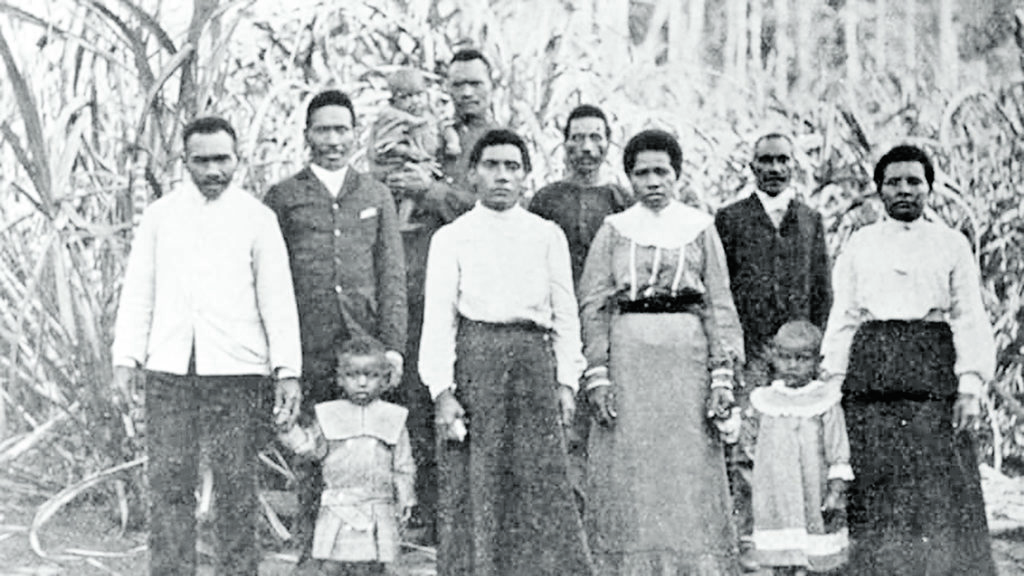
Hundreds of Pacific Islanders were taken into Australia to work on farms under the blackbirding system. Picture: Supplied
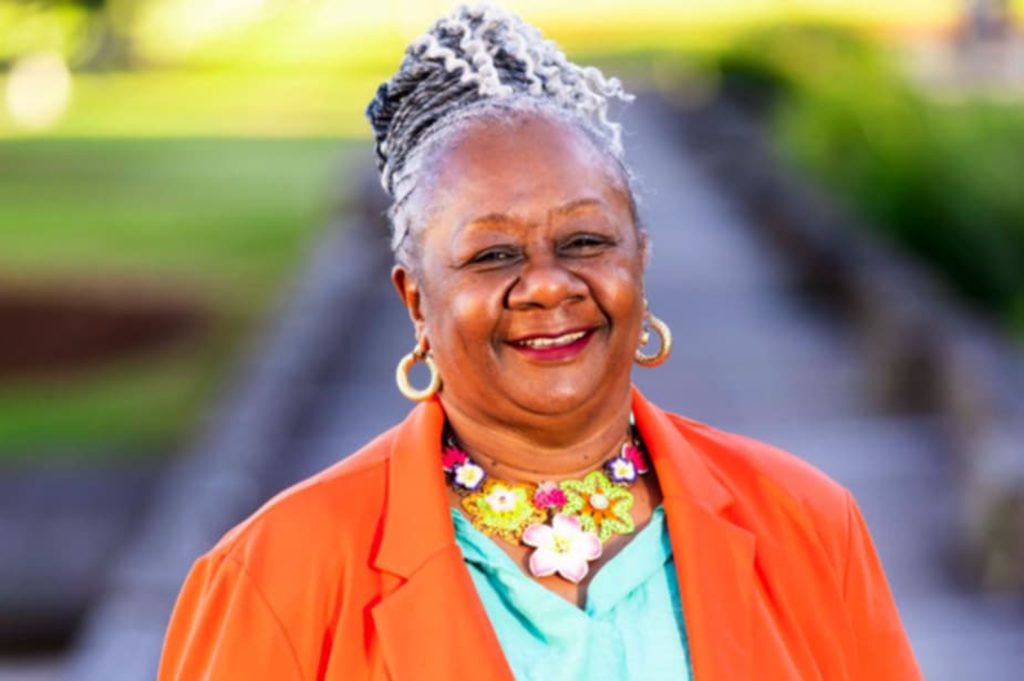
Australian South Sea Islanders -Port Jackson advocate Emelda Davis. Picture: Supplied
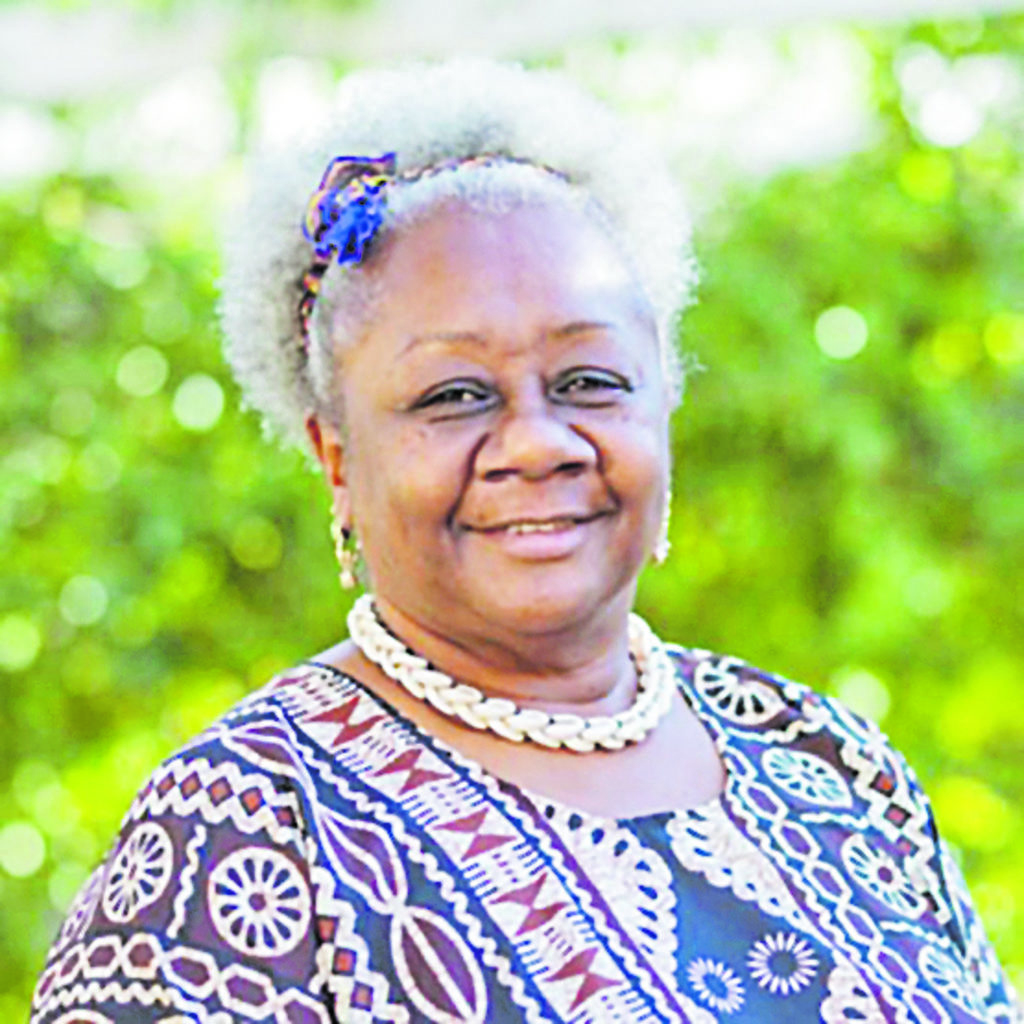
Australian South Sea Islanders — Port Jackson advocate Emelda Davis. Picture: Supplied

