
IN 1884, the northeastern portion of the island of New Guinea became the German colony known as German New Guinea.
The rest of the island remained under British protectorate.
According to southpacificislands.travel, the British-controlled portion, called British New Guinea, was placed under the control of the Commonwealth of Australia in 1902. During World War I, Australia seized control of German New Guinea from Germany.
Following the war, the League of Nations established the Territory of New Guinea in 1920, placing it under Australian administration.
This territory consisted of the former German New Guinea lands. Australia was responsible for governing both British New Guinea—now renamed the Territory of Papua—and the Territory of New Guinea, although they remained legally separate entities. After World War II, significant administrative changes occurred.
The territories of Papua and New Guinea were merged to form the Territory of Papua and New Guinea. This unification streamlined governance under Australian administration.
In 1971, the combined territory was officially renamed Papua New Guinea (PNG).
The renaming marked an important step toward national identity and self-determination for the people of the island.
Following this, Papua New Guinea underwent a rapid transition toward self-governance.
Within just two years of the renaming, PNG gained self-governing status, which allowed greater autonomy in managing its own affairs.
This milestone was crucial in preparing the country for full independence.
On September 16, 1975, Papua New Guinea achieved full independence from Australia, becoming a sovereign nation.
This date is now celebrated annually as PNG’s Independence Day, marking the culmination of its long journey from colonial rule to self-rule.
Throughout this history, the island of New Guinea witnessed a complex colonial past, initially divided between German and British control before Australia became the dominant colonial power.
The merging of Papua and New Guinea territories after World War II helped pave the way for national unity.
These historical events set the stage for Papua New Guinea’s emergence as an independent nation in the mid-1970s.
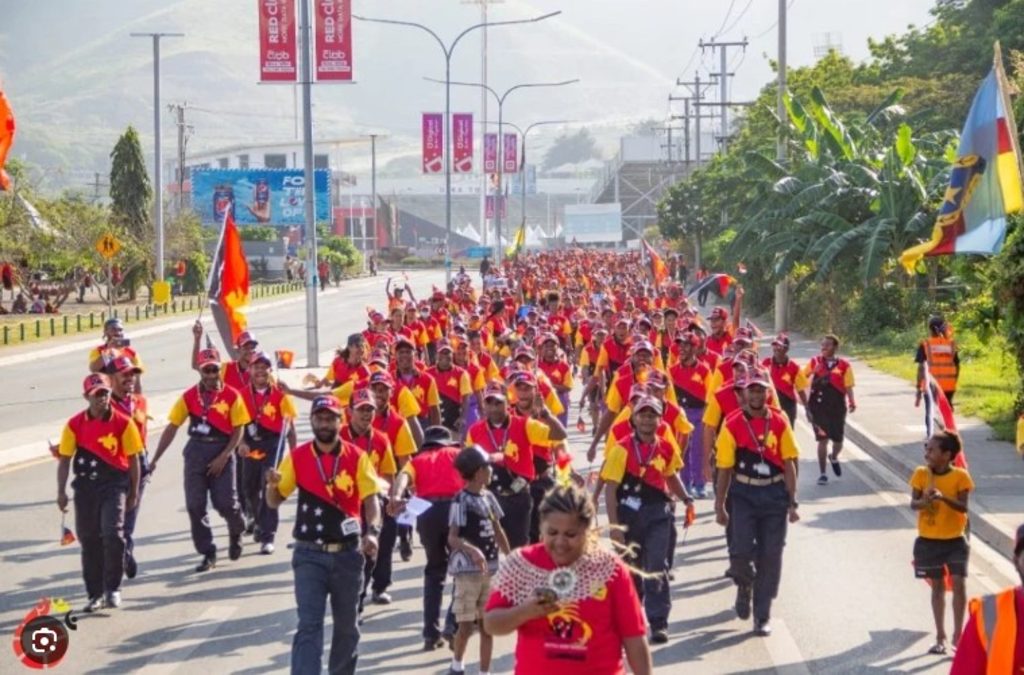
Today, Papua New Guinea stands as a proud, diverse country with a rich cultural heritage, reflecting its unique colonial history and the resilience of its people in overcoming external control to forge their own national identity. Papua New Guinea celebrates with flag-raising ceremonies attended by national and international guests.
Throughout the day, locals perform cultural dances, sing in the streets, and enjoy open-air music and markets.
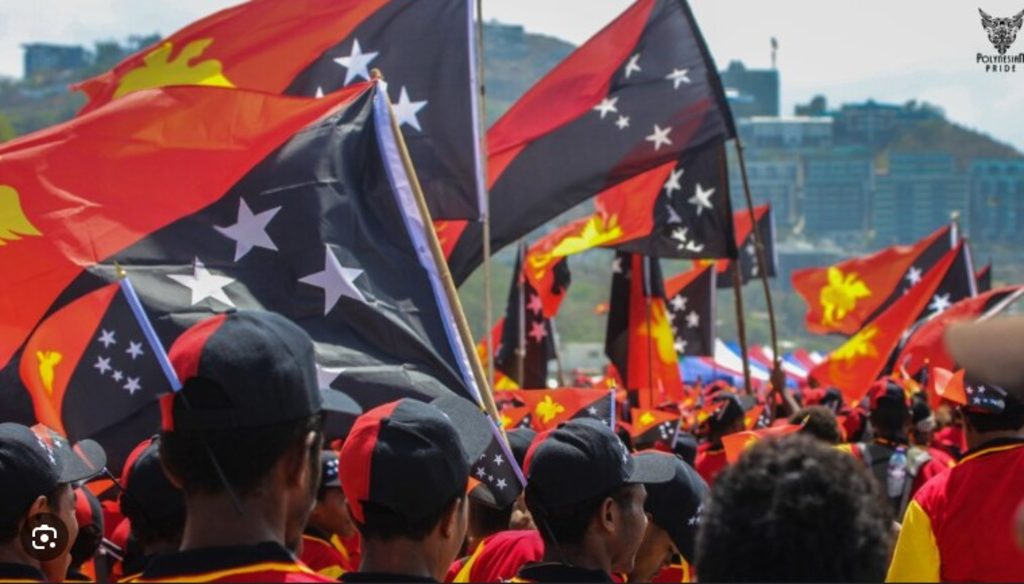
The national colours—gold, red, and black—adorn homes, shops, and streets.
Each town and city celebrates uniquely, with one popular event being the fireworks display in Port Moresby, which lights up Yonki Township for about six minutes.
The day is a vibrant mix of tradition, community, and national pride, making it a memorable occasion for both locals and visitors alike.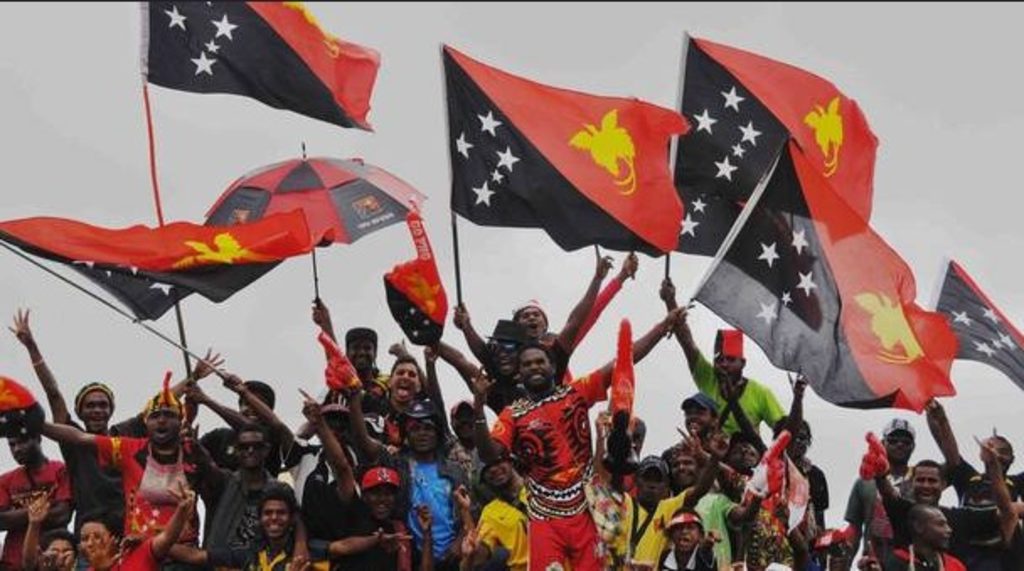
This milestone was crucial in preparing the country for full independence.
Throughout this history, the island of New Guinea witnessed a complex colonial past, initially divided between German and British control before Australia became the dominant colonial power.

