
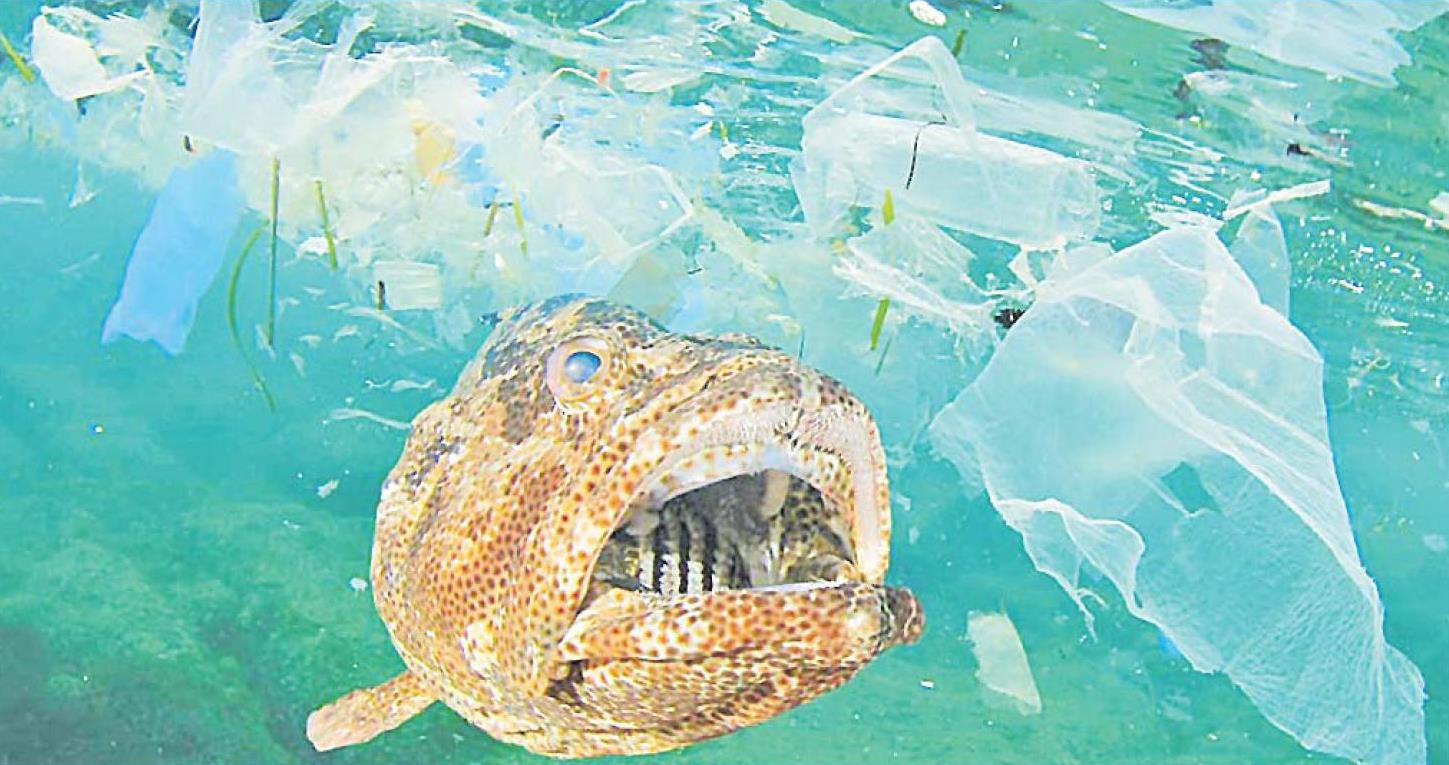
A study that found 68 per cent of fish in the Suva coastal area contained microplastics should sound a warning of the damage pollution could do to our food chain, says Prime Minister Sitiveni Rabuka as part of his World Environment Day message.
“What effect will this have in the longer term on the fish population and people who consume them as part of their diet?” he said.
“Sea creatures such as turtles and whales were also victims of larger masses of floating plastic.
“Turtles especially are often entangled or die, when they mistake these for food.
“Whales become bloated after consuming plastic and also die.
“Seabirds kill themselves by feeding on plastic.
“It is an indictment of an industry that much of the ocean plastic is from discarded fishing gear.”
Mr Rabuka said microplastics not only find their way into what we eat they also became part of the water we drank and even the air we breathe.
“According to recent reports from Paris, France, an Inter-government Negotiating Committee working towards a Plastic Treaty says that if production continues at the current rate there will likely be more plastic in the ocean than fish by 2050.”

