
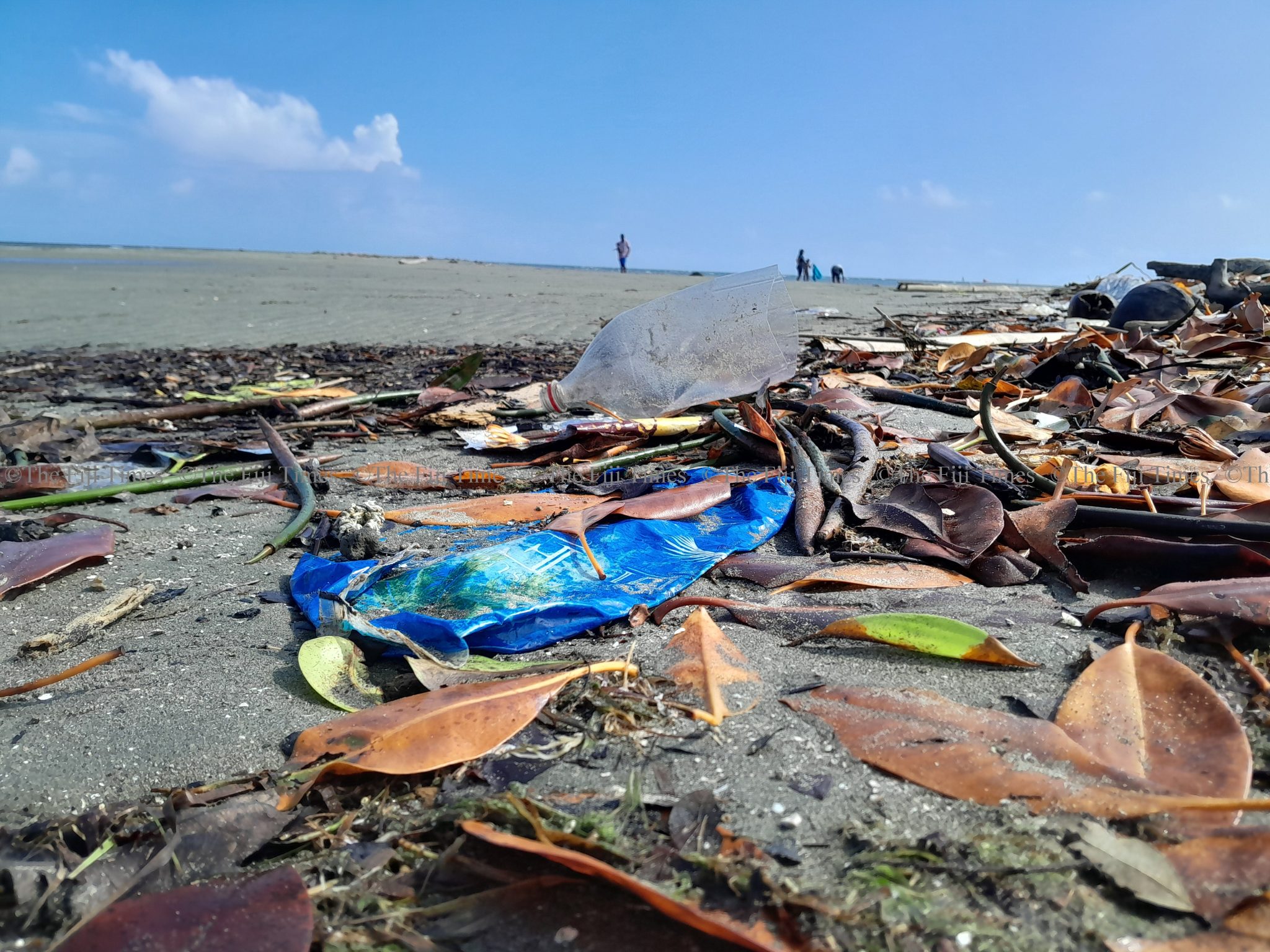
Fiji’s drive to curb plastic pollution has resulted in a staggering 97 per cent drop in plastic bag usage, but the environmental win has come at a significant financial cost.
Since the introduction of the plastic bag levy in 2017, revenue collections from the levy have plunged by 85 per cent, resulting in an estimated loss of $19million.
Data from the Fiji Revenue and Customs Service (FRCS) reveals that annual revenue from the levy peaked at $7.3million in 2019, before dropping dramatically to $785,710 in 2020 and further down to just $202,495 by 2023.
The decline follows a series of levy increases and legislative changes aimed at discouraging the use of plastic bags, that culminated in the repeal of the Environment and Climate Adaptation Levy (ECAL) Act in August 2022.
“From 2017 to 2023, plastic bag usage has dropped from 14 million pieces to just 400,000, marking a 97 per cent reduction. While this reflects a major environmental achievement, it also signifies an 85 per cent fall in revenue,” said FRCS chief executive officer Udit Singh.
The levy was initially introduced at 10 cents per bag in 2017 under the ECAL Act, increasing to 20 cents in 2018 and 50 cents by January 2020.
Despite the financial setback, the policy has helped encourage sustainable shopping habits and minimising plastic waste across the country.
As Fiji continues to prioritise environmental sustainability, Mr Singh emphasised that the focus remains on reducing Fiji’s reliance on single-use plastics and encouraging more eco-friendly alternatives.

