
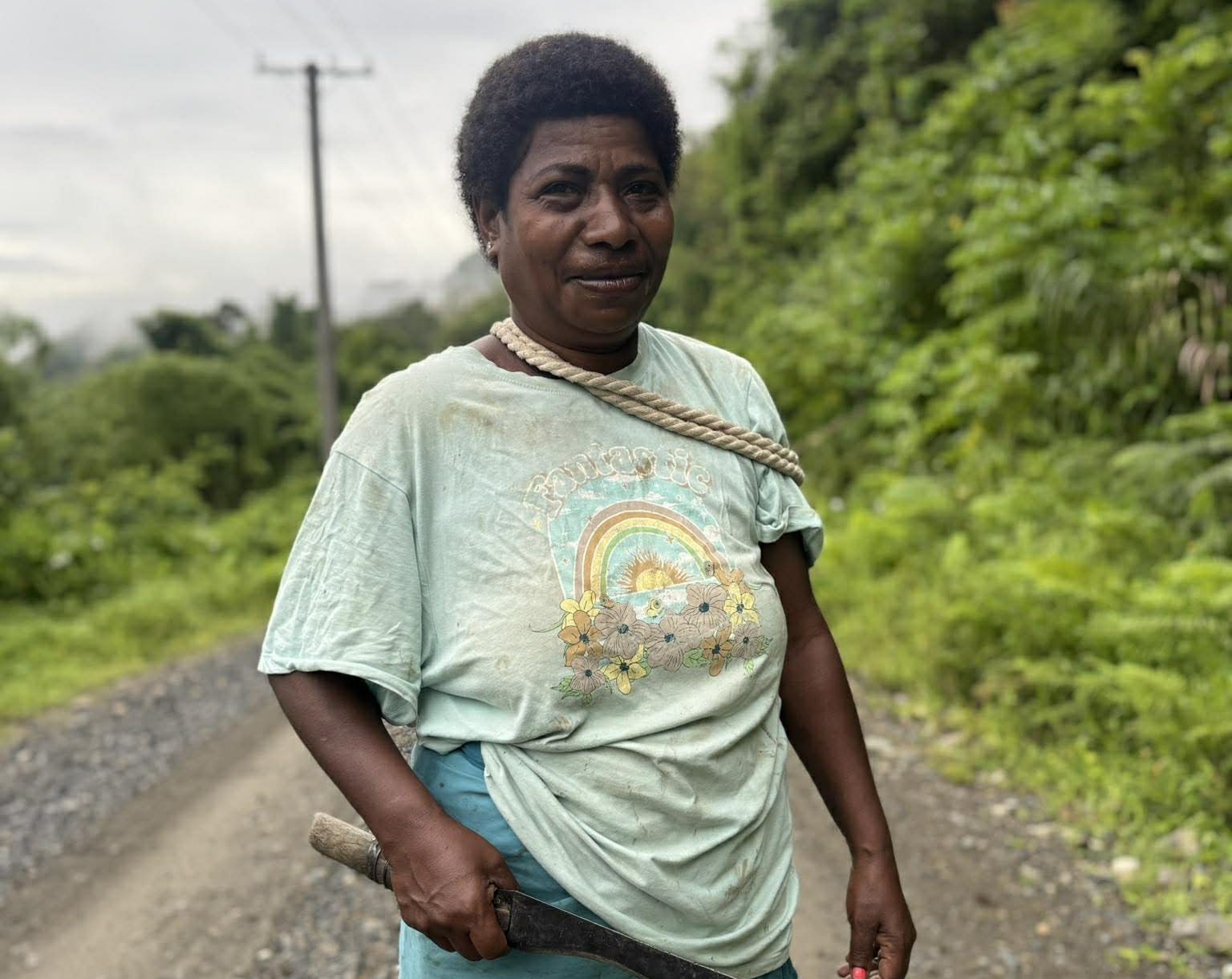
As early as 6am, while most of Naseratu Village in Naitasiri is still quiet, Vitalina Talemaibau is already on the move.
Dressed in her work clothes and carrying her farm knife, she begins the two-hour walk to her farm, making the most of the cool morning air before the sun’s heat sets in.
For her, this daily journey is a familiar rhythm, one shared by many women who sustain rural households through farming.
At the farm, she works alongside her two sons, planting dalo and tending to their yaqona.
The land provides not only food and income, but a place where responsibility, discipline and survival are learned side by side.
Vitalina starts early and leaves around 3pm, ensuring all necessary farm work is completed before the long walk home.
By the time she returns, dinner is already prepared and the household chores are done.
This is a routine made possible through shared responsibility.
She said members of the family help each other with both housework and farming every day.
Her eldest daughter lives and works in Nadi and supports the family whenever she can.
Vitalina, 42, is one of many rural women who quietly carry the weight of both household and farm, turning hard physical labour into opportunity for children.
She said farming has enabled her to put them through school and meet their daily needs at home.
“My youngest will be enrolling at Monfort Boys Town in Suva and I’m grateful that my brother will help us with his boarding items.”
She and her sons harvest dalo and ota to sell at the market, relying on informal transport arrangements that are common in rural communities.
“We harvest our crop and carry it from the farm to the road. The carrier then picks in and takes it to the market.
“I can make over $100 a day selling dalo and ota.
“Whatever we make from selling at the market we use for our village soli, for school and our daily expenses.”
She said she also paid those who assisted with selling her produce, ensuring the small income circulates within the community.
“I don’t usually go to the market all the time to sell, so whoever takes the produce for us gets paid from what we earn.”
Vitalina’s story reflects the quiet strength of rural women whose work, though often unseen and unappreciated, continues to feed families and sustain livelihoods.

