
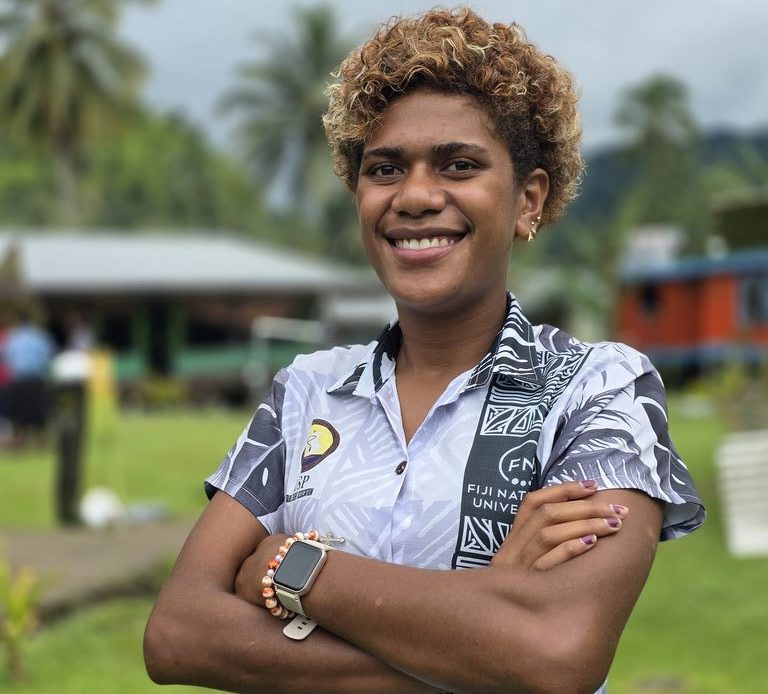
A childhood surrounded by animals in her village has inspired 20-year-old Julie Nakulanikoro to pursue a career dedicated to livestock and animal health.
Ms Nakulanikoro, who hails from Komave Village in Baravi, Nadroga, is a third-year student at Fiji National University’s Koronivia Campus where she is studying for a bachelor of science in animal science.
The Nadroga/Navosa youth representative was among delegates attending the National Youth Council (NYC) annual general meeting at Naqarawai Village in Namosi on Wednesday.
For Ms Nakulanikoro, the journey into animal science began long before university, as she grew up in a household where livestock farming was part of everyday village life.
“I grew up surrounded by pets and livestock, and my family was deeply involved in raising animals,” she said.
“That environment made me interested in learning more about how to properly care for animals and keep them healthy.”
Her studies have since expanded that early interest into a broader understanding of livestock management and animal health.
She said the program had given her a new perspective on how animals should be treated to ensure they remain healthy and free from disease.
The course, she added, also offered a wide range of career opportunities including work as a meat inspector, veterinarian or livestock specialist.
She attended Saint Peter Chanel Primary School in Korolevu before completing her secondary education at Nasikawa Vision College. She is now an intern with the animal health and production division in Vatuwaqa, where she assists with work relating to medicinal drugs, government funding allocations and regulatory matters.
“At one point I started thinking that maybe this kind of work is better suited to men and boys,” she said.
“When I arrived at the office in Vatuwaqa, I noticed that many of the senior positions were held by women. That changed my perspective. If the women who are older than us are able to do it, why can’t we the younger ones do the same?”
She advises young women not to be discouraged from entering sectors traditionally seen as male-dominated.
As youth representative, Ms Nakulanikoro hopes to return home with new ideas and information that could benefit young people in her province.
She believes greater awareness of the council’s work is needed at grassroots level.
“I want to take back useful information so youths in Nadroga/Navosa can better understand what the National Youth Council does and the opportunities it can create in employment, business and development,” she said.
One of the issues she raised at the meeting, she said, was how many young people in rural areas still felt confined by traditional expectations when thinking about their future.
“Many youths are still very much limited to village setting and traditional perspectives.
“But as future leaders we need to start thinking outside the box.”
She said while the establishment of youth representatives in provinces was encouraging, more outreach and engagement was needed to ensure young people to share ideas, build networks and discuss the challenges they faced.

