
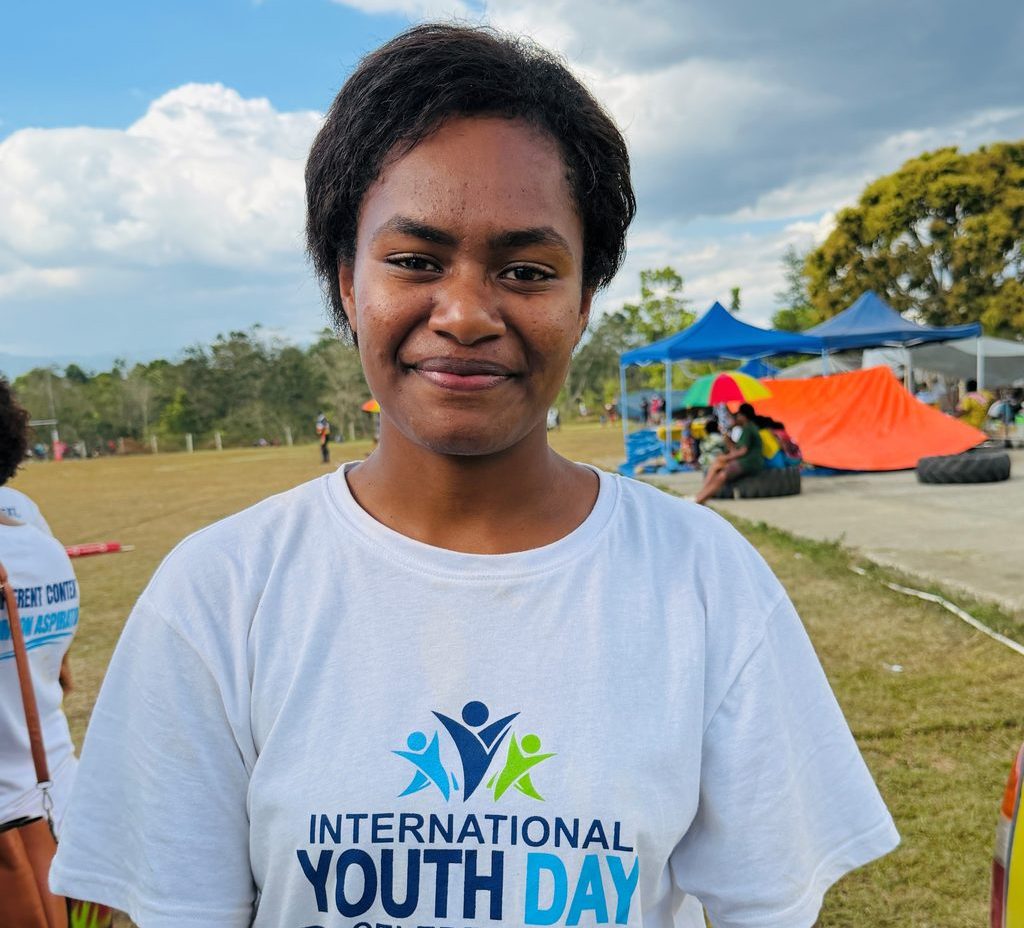
AT 19, Ivamere Finau Kaitoga has already learned that setbacks do not have to determine the direction of a young person’s life.
Growing up in Nausori Highlands, in the district of Namataku, Nadroga/Navosa, Ivamere was raised by her mother after her father died when she was only 11 months old.
Her mother became the family’s main support and from a young age, Ivamere learnt to stand beside her.
School was one of the challenges she faced.
After completing Form 5, Ivamere left high school and began searching for a different path to shape her future.
She went on to study Business Administration at Pacific Polytech, a decision that would become an important stepping stone in her journey.
During this time, she lived with her uncle in Ba, however, when her uncle’s home was destroyed by a fire, Ivamere was forced to return to her village.
Back home she joined other young people in yaqona farming, a common livelihood for youths in Nausori Highlands.
Her family also depend on her mother, who operates a small canteen from home, grows vegetables and sells produce at the Nadi market, to help meet the family’s daily expenses.
Ivamere and her siblings help their mother every day.
Then came an opportunity that gave the young woman a new way of looking at what was possible.
Ivamere took part in tie-dye training organised by the Ministry of Youth and Sports at the Nasau Training Centre in Nadroga.
For her, the training was more than learning how to create colourful designs. It opened her eyes to the possibility of turning a skill into an income-generating activity while remaining in the village.
“The training has broadened my knowledge and has allowed me to learn a new skill,” she said.
“It was an eye-opener for me as a young woman living in the village, it has taught me that we can earn an income from these types of skills even while living in the village.”
The experience has given Ivamere something to take home besides the skill itself: A plan.
She wants to continue practising tie-dye, create materials in the village and share what she has learnt with her family.
Her aim is to improve her skills until the craft can become a source of income.
Her experience in business administration may also prove useful as she works towards that goal.
Ivamere hopes to combine what she learnt in her studies with her new tie-dye skills.
For a young woman, who faced the loss of her father as an infant, struggled at school and returned to the village after her family lost their home, the future now looks different.
Ivamere is not simply returning home with a new skill, she is returning with an idea of what that skill could become in the future.

