
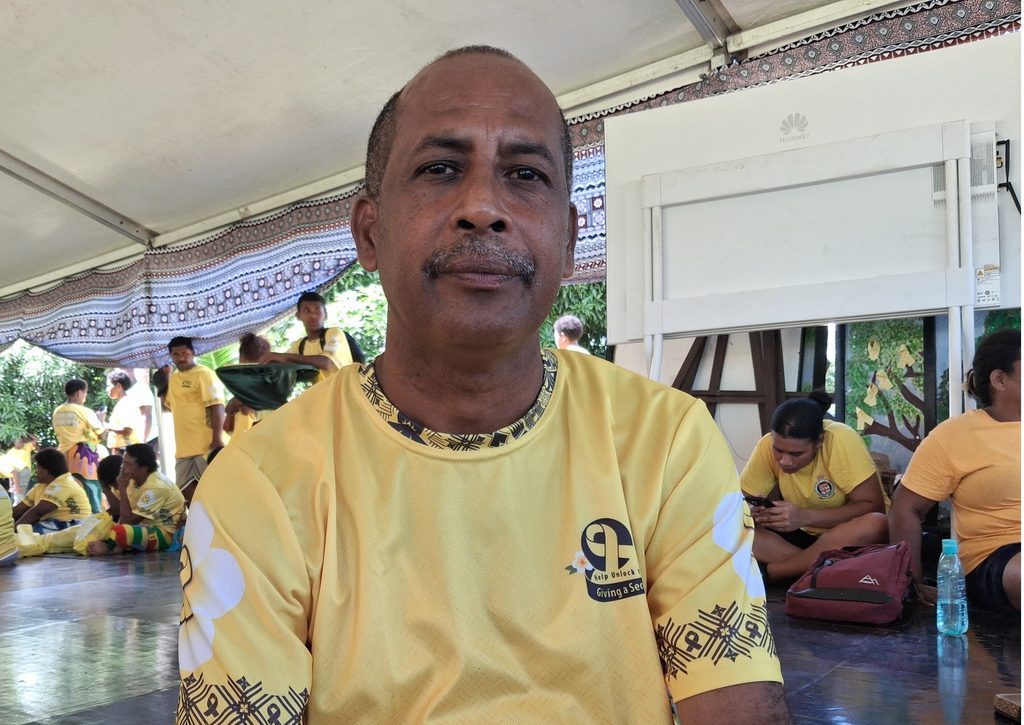
FOR 12 years, Rupeni Vesikula, a 53-year-old farmer from Bua, lived behind prison walls.
Jailed for attempted rape in 2013, his life took a turn that many would never imagine.
But after his release in 2024, Rupeni’s return to society was met with mixed reactions. Some welcomed him while others were skeptical.
The Bua native’s story is one of struggle, reflection, and resilience.
While attending the Yellow Ribbon Walk last week he said, his world fell apart the day he was convicted by the judge for attempted rape.
“It was not good,” he said.
The market vendor said his wife and son were left to fend for themselves.
His child had been in class seven at the time.
“It wasn’t easy, but I had to accept it. The judge meted out the sentence, and I had no choice but to face it.”
He moved through several prisons, from Labasa to Korovou. Life behind bars, he said, was not easy. Every day in prison followed the same strict routine. He would wake up early, pray, work, eat, and walk in the yard.
It was hard and tiring but Rupeni found a way to cope. He cooked food for 300 to 400 other inmates, starting before dawn. Doing this gave him a sense of purpose.
While in prison he started to change.
“Life changes come from yourself.”
“Nobody can change you; change starts when you wake up in the morning, reflect on your past, and decide what to do each day. The change is within you.”
His words show the wisdom he gained from hard times and the lessons that helped him get through many years in prison.
Forgiveness, he said, was key.
“Not just forgiving others, but forgiving myelf. For my own decision.”
Sharing his story with his family became a way to heal.
“It wasn’t easy for them either. People said things that were hard to hear. I told my family to face it. I shared my story and forgave everyone. Forgiveness helped me move on.”
While his family welcomed him, wider society was slower to accept him back. Stigma is a heavy burden for ex-inmates, especially for crimes like attempted rape. Yet Rupeni persisted, returning to farming and selling his produce at the market.
“Coming back home after 12 years was a different life. It wasn’t easy.
“My family, my brothers, sisters, and in-laws were all waiting and welcomed me. That support gave me hope to start again.”
Rebuilding a life after incarceration is never simple.
Beyond personal adjustment, former inmates face suspicion and prejudice.
Some neighbours were wary, some whispered doubts, and some avoided him.
He acknowledge it. He said acceptance took time, and that patience and consistency were key to regaining trust.
Yet despite the hardships, Rupeni remained committed to his community.
He was determined to show that life after prison can be productive.
Farming, he said, not only provided sustenance but also instilled discipline and a sense of contribution.
“I received support after waiting two years for planting and other things. I thank God for being with me at all times.”
Now, back in Bua, he hopes to inspire others, particularly those currently in prison or facing sentencing.
His message is one of caution and hope. Prison is not a good life. It’s very hard. You have to be strong and take responsibility for what you’ve done.
“To my fellow inmates on Vanua Levu prisons, I wish them strength.”
He has become an advocate of sorts, quietly showing that ex-inmates can contribute meaningfully to society if given the chance. He believes engaging with the community and showing consistent behaviour over time can break down walls of prejudice and stigma.
“Everyone makes mistakes but it’s what you do after that defines you. You can choose to remain trapped by your past, or you can move forward.”
Despite the past, his outlook remains positive. He speaks with humility, recognising that the path to acceptance is ongoing.
For those who meet him today, Rupeni is more than an ex-inmate . He is a living testament to the power of change, forgiveness, and perseverance.
The road has been long, marked by pain and reflection. His journey is a powerful reminder that while society may judge harshly, personal transformation is possible, and that acceptance both from oneself and from others is a crucial step toward rebuilding life after incarceration.
As Rupeni tends to his crops in Bua, he carries with him the lessons of prison, the support of his family, and the hope that one day, society will embrace second chances as a path to stronger, safer communities.

