
Public sector workers are being asked to carry too much of the burden under the Government’s cost-cutting drive, the Fiji Public Service Association warns.
In a strong response to the post-Tropical Cyclone Vaianu relief measures, the FPSA said while it acknowledged efforts to rein in spending, the impact on ordinary workers especially those on the frontline could be severe.
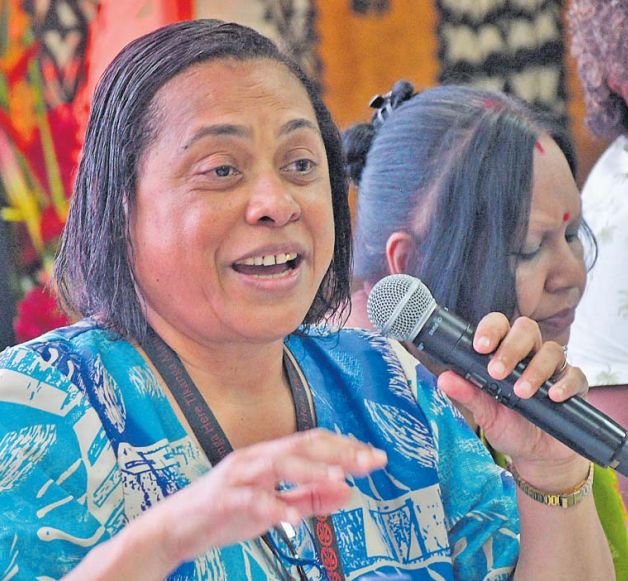
“Workers must not be expected to absorb economic shocks without fair compensation and meaningful support,” FPSA general secretary Judith Kotobalavu said.
The Government’s measures include a 20 per cent pay cut for ministers and MPs, suspension of overseas travel, tighter controls on spending and the freezing of new civil service jobs.
But the union said the suspension of overtime payments and the introduction of time off in lieu (TOIL) would hit workers hardest, particularly in essential services.
FPSA warned that health workers, emergency responders and other frontline staff were already working extended hours under difficult conditions.
“Increased workload, reduced compensation and operational restrictions will place additional strain on essential service workers.”
It also raised concerns that limits on vehicle use and travel approvals could slow response times, especially in rural and cyclone-affected areas.
The union said replacing overtime with TOIL would result in an immediate loss of income for workers already grappling with rising living costs.
“Many public servants may not be able to utilise accrued leave due to workload demands, rendering TOIL ineffective in practice.”
FPSA also cautioned that a freeze on recruitment and capital projects could slow economic recovery and limit job opportunities.
While acknowledging leadership pay cuts, the union stressed that cost-saving measures must not disproportionately impact low and middle-income earners.
It has called on Government to review overtime policies, provide targeted support for essential workers and introduce measures to ease the rising cost of living.
“National recovery must be guided by fairness, inclusivity, and respect for workers’ rights.”

