
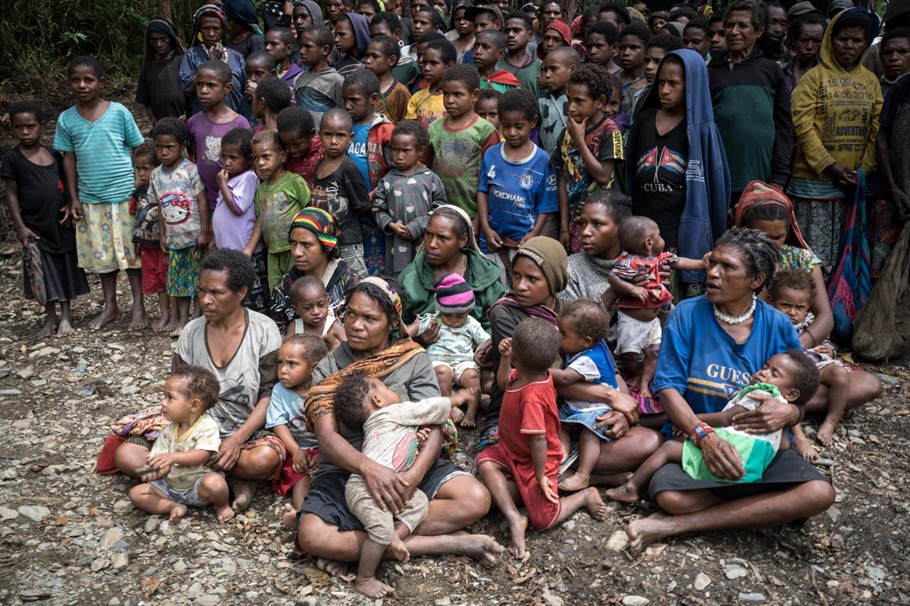
The question of Papua continues to evoke strong feelings across the region, often giving rise to heated exchanges.
Perspectives vary widely on the current situation and what might pave the way for lasting stability.
But any meaningful discussion must take into account international law and, crucially, Indonesia’s legal and constitutional frameworks, under which Papua is presently administered.
A useful starting point is the historical and legal foundation of the issue. Papua’s status was not left unresolved following the sequence of events between 1962 and 1969.
The New York Agreement placed the territory under the UN Temporary Executive Authority, leading to the transfer of administration to Indonesia on May 1, 1963.
The 1969 Act of Free Choice (PEPERA) was later noted by a United Nations General Assembly resolution. From that point, the international community accepted Papua as part of the Republic of Indonesia.
The debate over “who Papua belongs to” was, institutionally speaking, concluded.
The more substantive questions today concern governance and whether Papuans receive justice, security, and adequate services.
For the Pacific, separating these issues is essential to forming balanced assessments.
While political aspirations from various groups fall within the realm of legitimate expression, they do not alter the legal position underpinning Papua’s current status.
Papua is not without difficulties.
Recurrent clashes between armed groups and State authorities have serious consequences for human rights, public safety, and development.
In some districts, the high cost of basic goods reflects the continued dependence on air transport.
Schooling in certain areas has been disrupted due to security concerns, and families have suffered losses through violence.
Teachers, health workers, and other service providers have also been targeted.
As the authority responsible for special autonomy in Papua, Indonesia remains best placed to address these challenges.
Moving the conversation outside the State framework risks distancing the discussion from the mechanisms with the power to effect change.
Environmental concerns also merit careful attention.
Papua contains some of Indonesia’s most significant forest and biodiversity reserves.
Fears around land clearing, mining, plantation expansion, and major infrastructure projects are legitimate and require oversight.
Yet connectivity, through roads, ports, and airfields, remains central to lowering living costs and improving access in remote highland communities.
The challenge lies in pursuing development without undermining ecological integrity. Effective governance, transparent licensing, community participation, and consistent monitoring will be critical.
Economic development has accelerated significantly since the early years of integration.
Papua has been one of the largest recipients of central government transfers since the introduction of special autonomy in 2001.
The recent devolution of authority and increased funding have brought administrative services and budgets closer to remote regions once accessible only by light aircraft.
In 2025, Indonesia formed an executive committee to speed up implementation of development commitments.
Major projects — from the Trans-Papua Road and upgraded ports to scholarships and improved clinics in high-risk areas — reflect a continued investment in integration.
Security and service delivery are closely intertwined. Schools, clinics, and infrastructure projects often stall when staff face threats or violence.
In these situations, security forces are not only State representatives, but also the enabling factor that allows essential services to function.
Reporting that frames violence as flowing from only one direction risks obscuring the complexity of the situation and diminishing civilian experiences.
For Fiji and other Pacific nations, particularly within the Melanesian Spearhead Group, maintaining open dialogue with Indonesia remains important.
While the Papua issue is sensitive, constructive engagement can influence outcomes that matter to Papuans — improved access to services in remote areas, protection for public servants, expanded education pathways, and opportunities for regional monitoring of development progress.
Four considerations may help guide regional discussions.
First is the historical and legal context from 1962 to 1969, which established Papua’s international status.
Second is the urgent need to close service and human-rights gaps, primarily through Indonesia’s existing mechanisms as the governing authority.
Third is the ongoing need to monitor development funding to ensure benefits reach Papuans.
Fourth, while separatist sentiment exists, the most productive Pacific role lies in supporting measures that enhance safety, opportunity, and quality of life within Indonesia’s current framework.
Papua is recognised internationally as part of Indonesia, and that status remains unless changed by legal or constitutional means.
The key challenges today revolve around equitable development and civilian protection.
For the Pacific, sustained engagement, continuous dialogue, and a focus on practical improvements may offer the most realistic path toward better outcomes for Papuan communities.
- ALIFERETI SAKIASI is a reporter with The Sunday Times. The views expressed herein are his alone.

