
A silent war is claiming our future. Since 2024, 17 young lives have been lost to drugs. Meanwhile, our nation faces one of the most explosive HIV epidemics in the world. These are not separate crises but a single, intertwined tide of despair that has moved beyond our towns to our rural and maritime communities. For too long, we have treated these emergencies as urban problems, opting for short-term responses that look good within an electoral cycle, but do nothing to stem the flow. The bitter truth is that we risk losing an entire generation unless our remedies are as profound as the problem itself. We must move beyond political “quick fixes” and commit to an inter-generational compact for our survival.
A perfect storm of addiction and disease
The synergy between our surging meth epidemic and rampant HIV transmission is creating a perfect storm. The practice of “bluetoothing” — sharing blood to extend a drug high — has created a devastating highway for the virus. Health officials confirm this crisis has permeated communities across Fiji. The roots are deep, woven into our fraying social and economic fabric.
-The Erosion of Our Foundation: The frequent lament over lost family values and communal discipline is more than nostalgia; it is a diagnosis. As traditional structures weaken, a vacuum forms, filled by alienation and the predatory promises of drug peddlers.
-The Failure of Opportunity: Persistent poverty is a primary driver. When our villages and islands offer no viable pathway, our youth leave seeking hope, often finding only hardship and exploitation in urban centres.
-A System Overwhelmed: Our response has been playing catch-up. Critical shortages of preventive resources, a lack of supportive networks, and severe stigma have allowed this crisis to burn unchecked.
From talk to action: The stakes are too high for bureaucratic battles
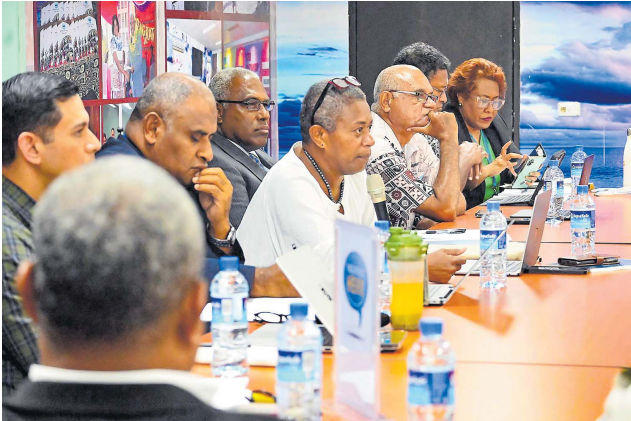
The inaugural meeting earlier this week of the Combined Law Enforcement and Social Crisis Agency Task Force was a welcome first step. Unifying agencies around a shared priority is precisely the “whole-of-government” approach needed. Yet, a dangerous paradox emerges. Even as we establish Task Forces for unified action, the old reflexes of bureaucratic territory and jurisdictional debate persist. A stark example now sits before us: While communities beg for decisive action, national leadership is publicly debating the procedural chain of command for deploying the Military in support of the Police. The Prime Minister rightly notes the Constitution separates these roles and that such a move requires Cabinet decision and the President’s final approval as Commander-in-Chief. Meanwhile, the Police Commissioner maintains the force can manage alone. This is not strategy; it is symptomatic of the very institutional friction that results in more talk and less action. Energy is spent on co-ordinating committees and clarifying mandates rather than co-ordinating the disruption of supply chains and the delivery of economic hope. The 17 deaths in our communities are a stark rebuke to any process that prioritises protocol over people. The crisis does not care which ministry’s letterhead is on the action plan, which force makes the arrest, or whose authority is supreme. It only cares that action is delayed.
A sovereign prescription for survival
1. The Uncompromising Stick: Integrity, intelligence, and immediate legal action. A trafficker’s most potent weapon is a compromised official. Any strategy must make institutional integrity its first pillar. This means establishing a sovereign, independent investigative unit with powers to purge corruption from within, and fast-tracking critical legal tools: dedicated Drug Courts to expedite cases and mandate rehabilitation, and an urgent review of the Bail Act. Intelligence from all agencies must converge into a true fusion centre that empowers action, not silos.
2. The Life-Giving Carrot: Economic revival and health realism. Enforcement alone is a bucket with a hole. The response must drive a tangible, dignified alternative. We need a national economic strategy that makes village life prosperous – distributing seedlings, guaranteeing buy-back schemes, and ensuring fair prices for dalo and copra to “drain the swamp” of urban despair. Concurrently, we must scale up proven health strategies without delay or debate over ownership. Needle exchange programs and widespread testing are not endorsements; they are life-saving, virus-stopping necessities.
3. The Inter-generational Foundation: A true national security council. This is a battle for our social soul. Therefore, its ultimate ownership and strategic direction must sit where it belongs: with a revived and empowered National Security Council, chaired by the Prime Minister. This elevates the response from a potential tug-of war between ministries and forces to a supreme national priority, demanding and enforcing seamless integration. It is the only authority that can definitively end bureaucratic battles and align every sector — justice, policing, health, agriculture, and the vanua — behind a single, relentless mission. We must restore the role of elders and equip our youth with purpose. This demands a steadfast vision transcending the four-year political calendar, rebuilding our social compact one life, one village, at a time. Meetings and strategies are necessary, but they are hollow if they become another layer of process. Our children’s future, and our nation’s soul, depend on us cutting through the noise and acting as one nation, now.

