In Fiji today, social media has become more than a platform for sharing photos or keeping in touch with friends, families and relatives. It has quietly evolved into one of the most visible spaces where people express emotions, negotiate identity, and make sense of everyday life. From Facebook posts about family milestones to TikTok videos reacting to national events, social media now serves as a digital emotional diary for many Fijians.
THIS shift is not accidental. Fiji is a deeply communal society where relationships, storytelling, and shared experiences matter.
Traditionally, emotions were expressed through talanoa, church gatherings, kava sessions, family meetings, Satsangs and village life.
While these spaces still exist, social media has added a new layer. It allows people to speak instantly, publicly, and sometimes anonymously, reaching audiences far beyond their immediate circle.
One clear example is how Fijians use Facebook to mark personal events.
Announcements about births, weddings, graduations, and bereavements often appear online before they are formally shared elsewhere.
A simple post such as “vinaka vakalevu for all the birthday wishes” or “Keep our family in your prayers, please” carries emotional weight.
These posts invite collective response, with comments and reactions functioning as digital equivalents of hugs, handshakes, or words of comfort.
During times of loss, social media has become especially significant. Obituaries, funeral details, and tributes are widely shared on Facebook, allowing relatives overseas or in other parts of the country to participate emotionally, even if they cannot attend in person.
Messages of condolence often mix English, iTaukei, and Fiji Hindi, reflecting the multilingual emotional landscape of Fiji. The act of posting and responding helps people process grief collectively, reinforcing social bonds in a modern form.
Moreover, social media is also a space for joy and pride. When a Fijian athlete performs well internationally, or when a local student receives a scholarship, social media lights up with expressions of national pride. Posts celebrating achievements by the Flying Fijians, the Fiji 7s team, or local artists are often accompanied by emojis, flags, and heartfelt captions.
These emotional expressions strengthen a shared sense of identity and belonging.
At the same time, social media allows for the expression of frustration, anger, and disappointment.
Political decisions, fuel price increases, education policies, or power outages frequently spark emotional responses online. Comment sections become spaces where people vent, debate, and sometimes clash.
While this can encourage civic engagement, it also reveals how quickly emotions can escalate when expressed in public digital spaces.
Subsequently, the COVID-19 pandemic highlighted this emotional function of social media in Fiji.
During lockdowns and movement restrictions, platforms like Facebook, Viber and WhatsApp became vital emotional lifelines. People shared fears, uncertainties, and encouragement.
Church services went online, families prayed together through video calls, and community groups shared motivational messages. Social media helped reduce isolation by providing a sense of connection and belongingness during an emotionally challenging period.
However, emotional expression on social media is not without risks.
The pressure to present a happy or successful image can lead to emotional strain, especially among young people.
Comparing oneself with carefully curated online lives may create feelings of inadequacy, anxiety, or loneliness. In Fiji, where community reputation and family honour are important, pessimistic comments or online shaming can have serious emotional consequences.
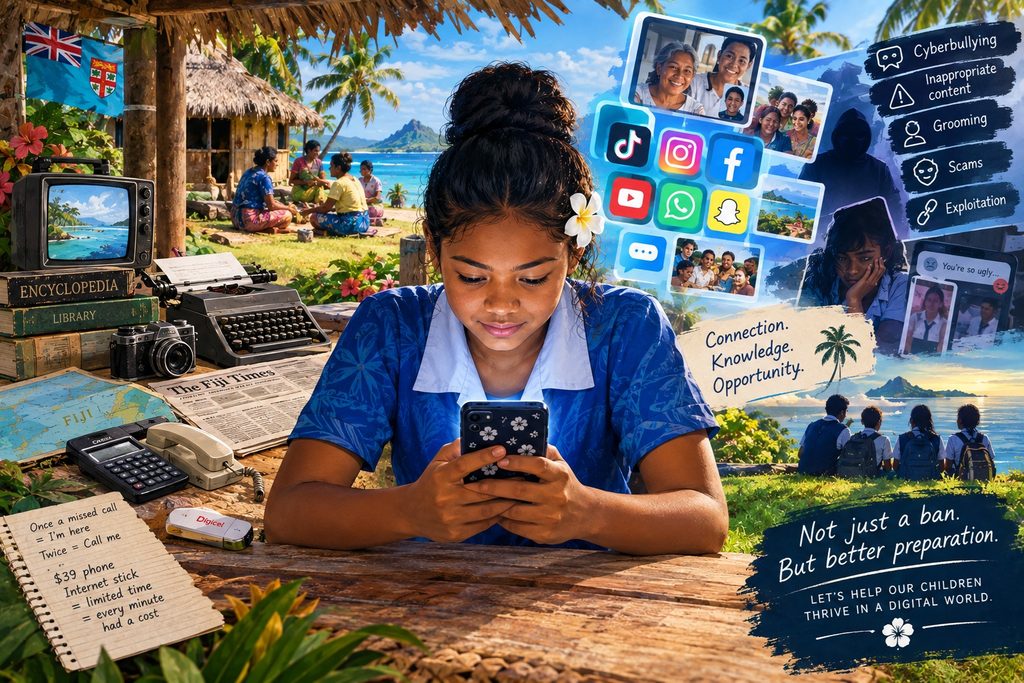
To add on, cyberbullying is another concern. Emotional expression can turn harmful when anger or frustration is directed at individuals. Cases of online harassment, particularly involving young people and women, have shown how digital words can cause real emotional harm.
Unlike face-to-face interactions, online comments can spread rapidly and remain visible long after the initial emotion has passed.
Young Fijians, in particular, use platforms like TikTok and Instagram to express emotions creatively.
Short videos about school life, work stress, relationships, LGBTQIA+ pride or cultural pride blend humour with honesty.
A TikTok about struggling with exams or balancing village responsibilities with urban life may seem light-hearted, but it often reflects deeper emotional realities.
These creative expressions allow young people to articulate feelings that may be difficult to voice in traditional settings.
Furthermore, language choices on social media also reveals emotional intent.
Switching between English, iTaukei, and Fiji Hindi allows users to express nuance and intimacy.
A complaint written in Fiji Hindi may feel more personal, while an English post might be more formal or reflective.
This linguistic flexibility enriches emotional expression and makes social media a uniquely local space, even though the platforms themselves are global.
Beyond personal and family matters, social media also captures community sentiment during national events. Cyclones, floods, or other natural disasters often see a surge of emotional expression, as people share updates, seek assistance, and offer support.
In these moments, social media becomes a collective coping mechanism, demonstrating solidarity and resilience.
Posts about fundraising for affected villages, volunteers helping clean up, or messages of hope during recovery periods show how online emotional expression translates into real-world action.
More imperatively, the challenge for Fiji, as social media continues to grow, is to encourage responsible emotional expression.
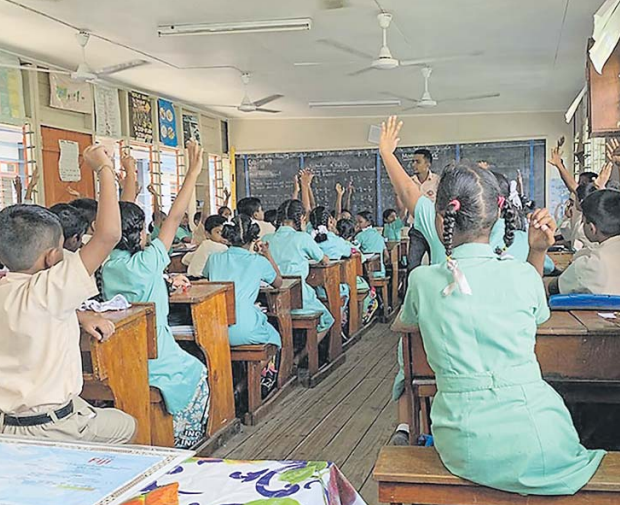
Digital literacy should include emotional literacy: understanding how words, images, and reactions affect others. Schools, families, and community leaders can play a role in guiding young people to express emotions honestly but respectfully online.
Social media companies also have a responsibility to address harmful content and protect users. Clear reporting systems, community standards, and local awareness campaigns can help reduce emotional harm while preserving the positive aspects of online expression.
Ultimately, social media is neither inherently good nor bad. It is a mirror reflecting the emotional lives of its users.
In Fiji, it captures joy, grief, pride, anger, humour, and hope in all their complexity. Used thoughtfully, it can strengthen connections, amplify voices, and provide emotional support across islands and oceans. Used carelessly, it can deepen divisions and cause pain.
As Fijians continue to navigate this digital landscape, the question is not whether emotions belong on social media.
They do already. The real question is how we choose to express them, act to them, and learn from them in ways that reflect our shared values of respect, community, and care for one another. The way we engage online today will shape how future generations in Fiji experience connection, support, and empathy in an increasingly digital world. Social media is not just a platform; it has become part of the emotional fabric of the typical Fijian society.
-RAVNIL NARAYAN is a lecturer in Applied Linguistics in the School of Communications, Language and Literature at the Fiji National University’s, Lautoka Campus. The views expressed in this article are his own and not of the affiliated institution or this newspaper. For comments: email at ravnilnarayan@gmail.com.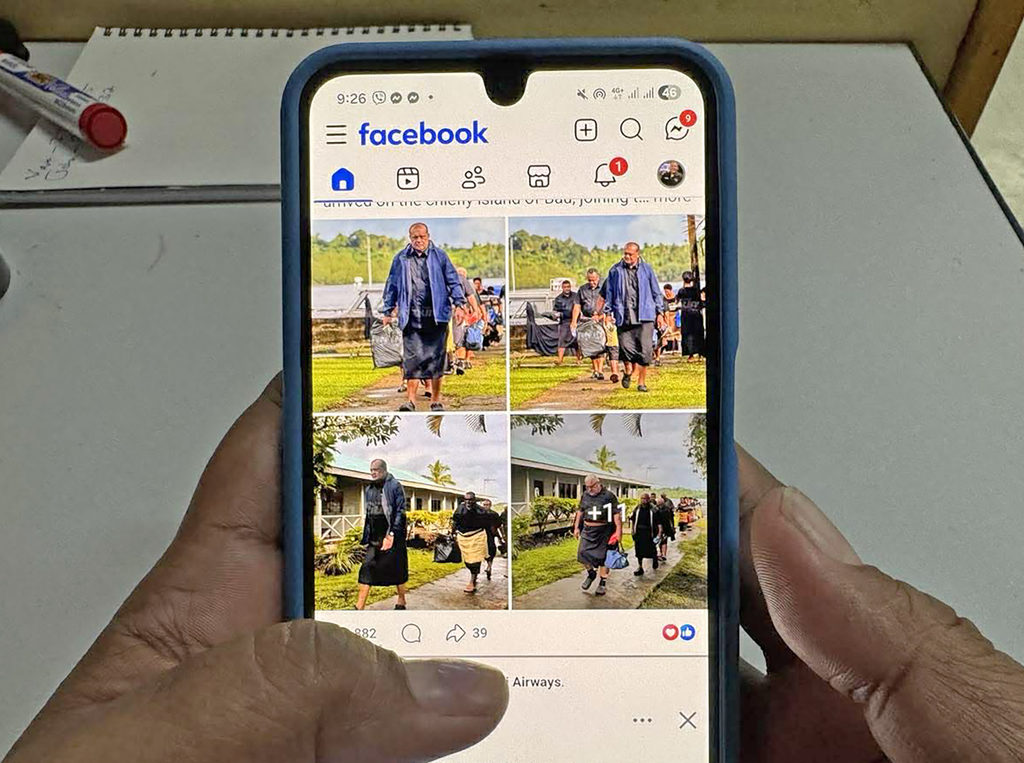
A social media user browses through Facebook to get the latest update of what is happening in Fiji and around the world.
Picture: JONACANI LALAKOBAU