
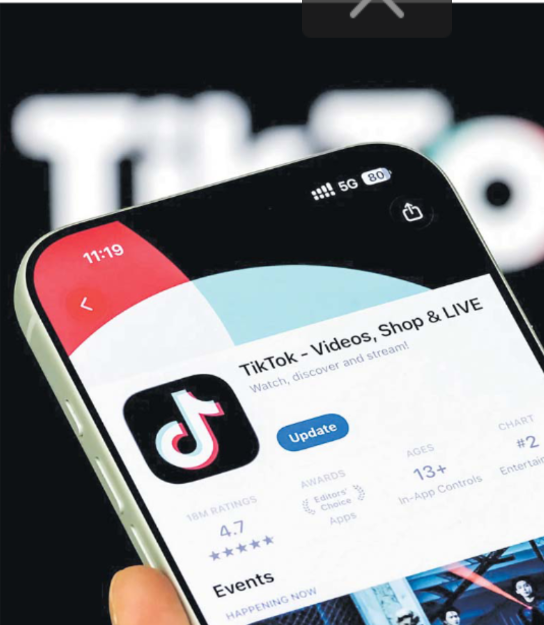
SOCIAL media has become a big part of life in Fiji, and TikTok is now one of the most popular platforms in the country, especially among young people, but it and other social media platforms may be directly contributing to the hate and division we experience.
The platform was created by Chinese technology company ByteDance and allows users to create and share short videos, usually set to music or trends. It is designed to be addictive, easy to use, and highly engaging, which explains why millions of people worldwide spend hours scrolling through it every day, wasting so much time.
TikTok (Facebook too) is also known for its toxicity and viciousness. I do not need to tell you this, we all see it almost daily.
There are horrible personal attacks against fellow citizens, carried out by real people, fake accounts, and even individuals living overseas targeting those in Fiji. Much of this behaviour is designed to cause maximum psychological harm and controversy while gaining likes, shares, and attention. The more extreme the content, it seems, the more views it receives.
What many people do not realise is that social media platforms are built using principles of human psychology. They are designed to keep users engaged for as long as possible. Every notification, like, or comment triggers a release of dopamine in the brain, creating a sense of pleasure and reward. Over time, this creates dependency. Users begin to seek more content to maintain the same feeling.
Sound familiar?
That’s because this is exactly how narcotics impact your brain. Research shows that social media activates the same brain reward circuits involved in drug addiction, releasing dopamine that reinforces behaviour and encourages users to keep returning for more.
TikTok and other platforms also use powerful artificial intelligence algorithms that study user behaviour. These systems learn what makes people react emotionally and then push similar content to them. Research shows that content involving conflict, outrage, or controversy often spreads faster because it generates stronger emotional responses.
Now imagine children who still have developing brains being exposed to all of this.
This concern is not unique to Fiji. Governments around the world are beginning to take action. Australia recently passed laws restricting social media access for children under the age of 16, aiming to protect young users from harmful online environments and reduce the mental health risks associated with excessive social media use.
Society has always recognised that certain content is not suitable for children.
That is why movies and television programs have age ratings such as R16 and R18.
These ratings exist to protect young viewers from material that may be harmful to their emotional or psychological development.
Yet on social media platforms, children can easily access content far more disturbing than what would ever be allowed in cinemas without restriction.
If we accept that films and television require age limits, it raises an important question.
Why should social media platforms with unlimited and largely unregulated content be freely accessible to children?
Also, instead of working hard to build useful skills in trades, business, or professions, many young people now dream of becoming TikTok influencers, which is not good news for our future workforce.
Several countries have taken even stronger action against TikTok itself.
India banned the platform entirely in 2020, citing national security and data privacy concerns, along with the spread of harmful content. Other countries, including the US, the United Kingdom, Canada, and members of the European Union, have restricted TikTok on government devices due to concerns about data protection and foreign influence.
Studies have linked excessive use of platforms like TikTok to increased anxiety, reduced attention span, and sleep problems among young users.
Some research has also connected heavy social media exposure to increased social division and hostility in public discourse. When people are constantly exposed to conflict-driven content, it can shape how they see others and how they behave in real life.
In Fiji, where communities are closely connected and social harmony is highly valued, the spread of online hostility should concern us. Social media has the power to influence public opinion, damage reputations, and create division within families and communities. The psychological impact can be serious, particularly in a small society where online conflicts quickly become personal.
The question is not whether technology should exist, but whether society should allow platforms that profit from division and psychological manipulation to operate without limits.
For the wellbeing of our citizens and future generations, authorities must seriously ask whether TikTok is doing more harm than good.
If urgent action is not taken, we risk raising a generation shaped by online hostility, addiction, and distraction rather than discipline, productivity, and respect, turning our society into a harsher and more divided place.
Until next week, take care and be safe.

