
These are my personal views as a farmer based on my past experience in the sugar industry. While I may not agree with every decision or proposal that has been made over the years, I agree with some of them. However, unless we address the real challenges facing the industry, we will continue to see its decline.
MY first question is: Where is the strategic plan for the Fiji Sugar Corporation (FSC)? Has it been fully implemented? Has it been monitored and enforced? From what we are seeing on the ground, I do not believe it has been effectively implemented.
Closing a sugar mill, such as Lautoka Mill, is not the solution. Our priority should not only be the mills, it should be cane productionu because cane is the raw material that keeps the mills operating. Without sufficient cane, no mill can survive.
One of my biggest concerns is the role of extension officers. Every sector has extension officers, but what are they doing to increase cane production? Their primary responsibility should be to spend time 0n the field, working directly with farmers, encouraging new cane planting, improving ratoon management, and increasing productivity.
Rather than simply measuring administrative performance, extension officers should also be assessed on practical outcomes. For example, each sector should have annual targets for new cane planting and productivity improvements. If every sector achieved hundreds of additional acres of new cane annually, the industry would soon begin to recover.
Another major issue is productivity. A farmer with a 10-acre farm harvesting only 150 tonnes of cane should concern everyone. That level of production could be achieved from approximately three acres under good management. The question is: Why are we using 10 acres of land, fertiliser, chemicals, labour, harvesting costs and transport costs to produce what should be harvested from only three acres?
Low productivity increases production costs for both farmers and FSC. More land is cultivated, more fertiliser is applied, more fuel is consumed, harvesting takes longer, and transport costs increase, all while production remains low.
FSC should have clear strategies to identify these low-performing farms and provide targeted assistance to improve yields. Productivity must become a key performance indicator across the industry.
I also remember the excellent farmer training programs funded by the EU, where farmers received practical guidance on improving production. Those programs produced positive results, but there has been little continuity. We need ongoing training, regular field visits, and continuous support for farmers, not one-off programs.
We should also promote a whole-farm approach. Farmers should not rely solely on sugarcane. They should be encouraged to diversify into livestock, vegetables, fruits, and other income-generating crops while maintaining productive cane farming. This improves household income and strengthens rural communities.
Another issue that requires urgent attention is the under-utilisation of agricultural land. Many leased farms remain partially used or completely idle. This benefits no one.
I believe the Ministry of Lands, TLTB, Ministry of Sugar, and the Ministry of Agriculture should work together to review idle agricultural leases. If a farmer has a 10-acre lease, but is only utilising three acres while the remaining land is left idle year after year, there should be policies encouraging full utilisation of that land. Where land remains unused without valid reason, appropriate action should be considered in accordance with existing laws and lease conditions.
At the same time, there are many hardworking commercial farmers who are ready to expand production, but cannot access land. We should create opportunities for productive farmers to increase cane production rather than allowing valuable agricultural land to remain idle.
To the Chairman of FSC, I respectfully say this: Leadership cannot be exercised from the boardroom alone. Spend more time on the field. Meet the farmers. Listen to their challenges. Discuss practical solutions with them. When farmers see their leaders standing beside them, confidence in the industry will grow.
The same applies to FSC’s senior management. The recovery of the sugar industry will not happen through office meetings alone. It requires regular engagement with farmers, field staff, industry organisations, and communities.
The sugar industry supports thousands of Fijian families and remains the economic backbone of many western towns and rural communities. Tourism is an important pillar of Fiji’s economy, but agriculture must remain equally strong. Sugar and other agricultural industries provide employment, support businesses, and sustain many livelihoods.
My humble plea to all relevant authorities is this: Let us work together to revive the sugar industry. Let us focus on increasing cane production.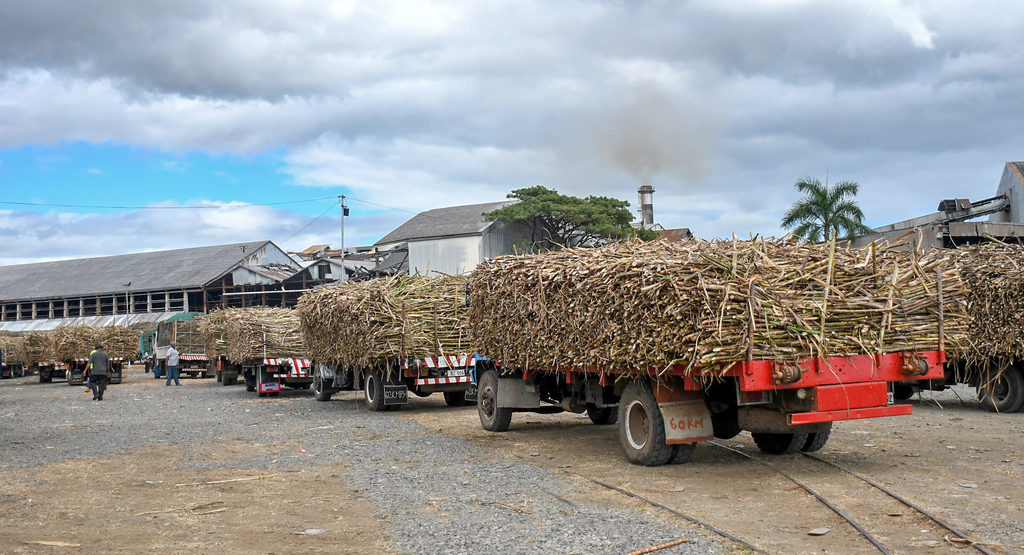
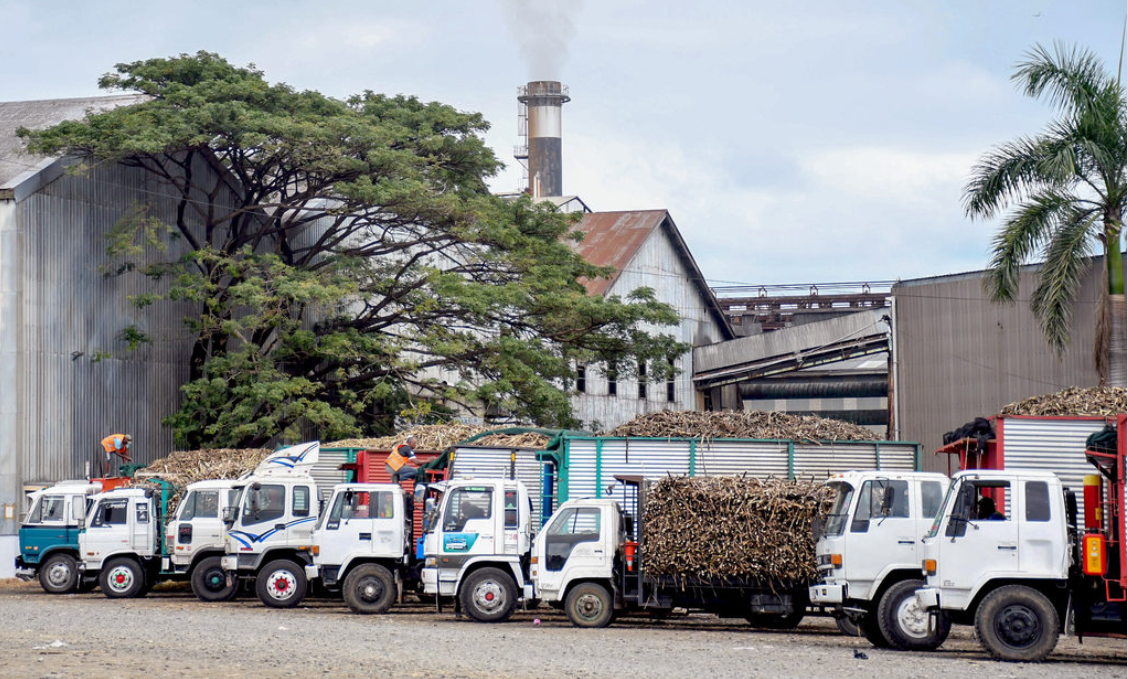
Sugar cane trucks lined outside the Fiji Sugar Corporation Lautoka mill on 23rd July 2026. Picture: REINAL CHAND
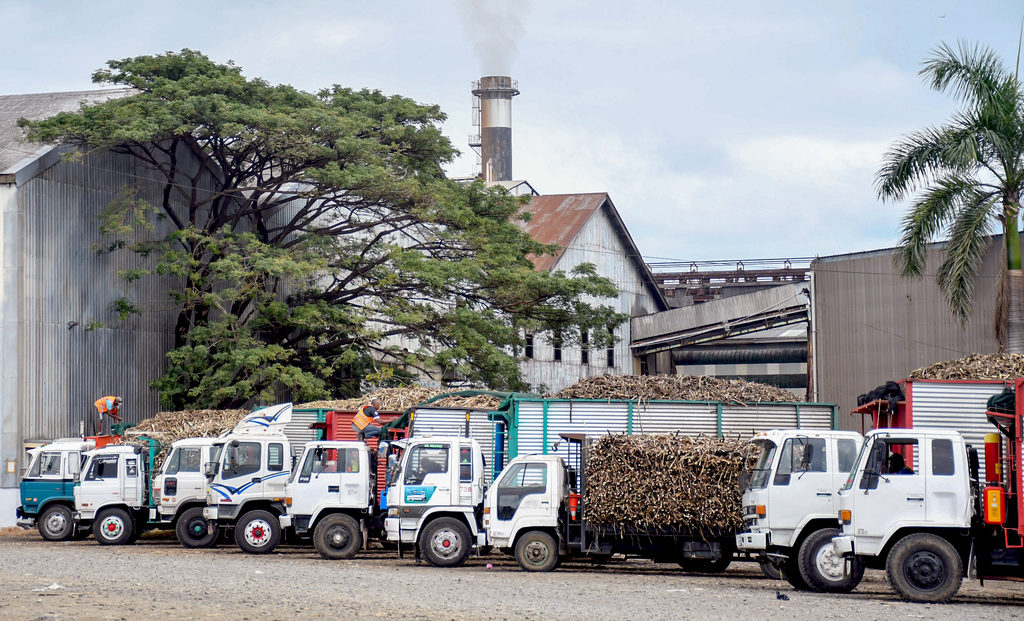
Sugarcane trucks lined outside the Fiji Sugar Corporation Lautoka Mill last month. Picture: REINAL CHAND
Sugar cane farmers in a cane farm. Picture: FILE

