
In November, a court sentenced a man to 12 years for the prolonged rape of his 13-year-old nephew, a crime the judge called “second only to murder.”
The sentence felt like a lenient response to an atrocity.
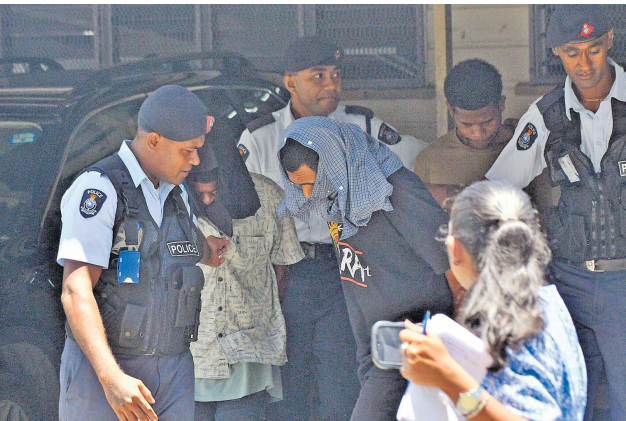
This week, another courtroom scene unfolded that exposes a different but connected, failure. In Suva’s Magistrate’s Court, the state moved to consolidate a case involving 4.7 kgs of methamphetamine.
Most revealing was the reported conduct of the Defence lawyer, objecting ‘loudly and arrogantly’ to the Prosecutor, questioning why the State consistently opposed his client’s bail.
The Chief Magistrate intervened, cautioning that the Prosecutor was “tasked to ensure justice prevails.”
This display was not mere legal posturing; it is the visible symptom of a deeper disease: an arrogance of impunity, where the accused and their representatives believe they can challenge, delay, and overpower the machinery of justice itself.
The anatomy of arrogance: From courtroom to community
This behaviour is a microcosm of a system that has lost its deterrent power. It reflects a belief that justice is a game to be played, not a principle to be feared. This arrogance manifests in two clear ways:
1. Courtroom Theatrics: The loud, confrontational challenge signals a perception that the process is negotiable and that authority can be publicly undermined. This follows the pattern seen weeks earlier, when two foreign nationals, were granted High Court bail for allegedly possessing over 800 grams of meth. The system creates a perverse incentive: secure the right lawyer, navigate to the right court, and even serious charges may not mean pre-trial detention.
2. Weaponised procedure: The defence’s focus on the technicality of whether the drug was “methamphetamine” or “methamphetamine hydrochloride” is a tactical move. While legal precision matters, when such arguments dominate proceedings for a 4.7kg importation ring — a quantity indicating large-scale, organised crime — it creates a dissonance. It prioritises procedural skirmishes over the substantive alleged harm to Fiji. This is a system that appears to “measure justice by bank balances instead of values,” where resources buy not just freedom but a more favourable arena of debate.
The twin failures: A system breeding contempt
This courtroom arrogance cannot be separated from the system’s other failures. They feed each other in a vicious cycle that erodes public trust and emboldens offenders.
– Failure of severity (The child rape case): When a system declares the most heinous crimes against the vulnerable as supremely grave but then delivers sentences perceived as lenient, it signals that the ultimate consequences are manageable. It fails to erect an unmovable wall of deterrence.
-Failure of equity (The bail scandals): When alleged foreign drug traffickers or those with means can secure pre-trial freedom; while impoverished youths languish for petty crimes, it proclaims that justice has a price tag. It teaches that influence and wealth can insulate you from the system’s grasp.
-Failure of authority (The 4.7kg Meth case): When the accused and their counsel feel empowered to challenge state prosecutors arrogance over basic procedures, it indicates a perceived weakness in the state’s resolve. It suggests the law can be met with bluster and delay, treating the court as a forum for negotiation rather than adjudication.
Together, these failures create a climate where criminals — whether violent predators or alleged drug kingpins — operate with a chilling calculus: the potential rewards outweigh the likely, and seemingly negotiable, risks.
The urgent reset: Reclaiming authority for justice
Fiji’s justice system needs a reset. It must choose between continuing as a fragmented, biased arena where outcomes are influenced by wealth, legal theatrics, and inconsistent severity, or undergoing a fundamental reset to reclaim its moral authority. This reset requires:
1. Sentencing with moral clarity: For crimes like the rape of a child, sentences must be incontrovertibly severe, consistently reflecting the lifelong destruction caused. The “unequivocal message of deterrence” must be delivered in years, not just in words.
2. Bail based on risk, not resources: The law must be reformed to ensure pre-trial liberty is decided by objective danger and flight risk, not by the court forum one can access or the lawyer one can hire. The spectacle of alleged large-scale drug importers walking free must end.
3. Upholding courtroom sanctity: The judiciary must firmly protect the dignity of the process. Legal advocacy is a right, but arrogance designed to intimidate or belittle the state’s role must be swiftly checked, as the Chief Magistrate began to do. The courtroom cannot be a place where the law is bullied.
4. A unified stand against poison: The state must prosecute drug importation and trafficking with relentless, streamlined efficiency. Consolidating cases, as in the 4.7kg matter, is a start. The focus must remain on the alleged act: poisoning communities for profit.
Technical debates must not overshadow the colossal harm alleged.
The people of Fiji are witnessing a dangerous narrative take hold: that the powerful and connected can work the system, while the vulnerable suffer its failures. From the child in Sigatoka to the communities devastated by meth, the victims are real.
The alleged traffickers in Suva, however, with their lawyers’ loud objections and bail reviews, act as if they are playing a game.
A just society cannot allow this to stand. The time for reset is not tomorrow; it is now, before the arrogance of impunity becomes the law of the land.
RO NAULU MATAITINI is a concerned citizen. The views expressed in this article are his and do not reflect the views of this newspaper.

