
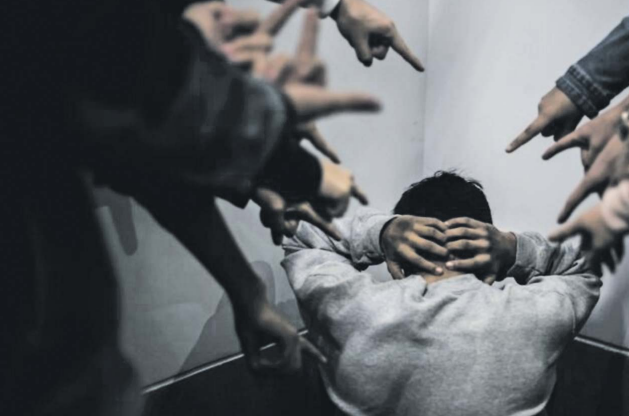
When we talk about boys in Fiji, the conversation often centres on violence, bullying, school dropout rates and drug use. These are serious concerns, but they are symptoms of something deeper: Boys’ mental health and wellbeing. We rarely pause to ask what pressures boys are facing, or who is supporting them. If we want safer schools and stronger communities, we need to understand the environments where boys learn what it means to be a man.
DURING my PhD research, I spent months in schools, sports fields and focus groups listening to boys talk about their lives. What they shared was worrying.
Boys are teased for how they speak, what they wear, who they spend time with, whether they play sports or not, or simply for not fitting into narrow expectations of what a “real man” should be.
They are expected to be tough, loud, sporty, interested in girls, willing to bend the rules and ready to fight when challenged. Anything outside that script can lead to being labelled weak or feminine and a target for bullying.
Shame, fear of being seen as soft, and the pressure to “man up” make it difficult for boys to express emotion or ask for help.
The effects can last well into adulthood. Boys who are bullied may carry that trauma for years, and boys who bully may learn to use power and control in other relationships.
When these behaviours are ignored, and they often are, we teach young people that cruelty is normal and that seeking help is pointless. My research also showed that many boys grow up with very few opportunities to learn empathy.
It is simply not part of their social training. Male bonding often revolves around only teasing or roasting, where jokes easily turn into personalised insults. Schools do have anti–bullying policies, yet they are not always applied consistently.
Verbal bullying is frequently brushed off as teasing, even when it is constant and targeted.
When adults dismiss this as “just boys being boys”, the message is clear: Unkindness is acceptable.
My research was a deeply emotional undertaking. I was often warned that boys would not speak to me because “boys don’t share emotions”.
This could not have been further from the truth. Boys spoke with remarkable openness about their feelings and experiences.
Many had simply never been given the chance to have these conversations before, which tells us a great deal about how we raise boys.
Importantly, many boys want change.
They want safer schools. They want bullying to be taken seriously.
They want understanding, not just punishment. Some even said they wished there were places to talk about their feelings without being judged.
Many were thoughtful, articulate and full of practical ideas for making their school environments safer and for improving the curriculum so it better reflects their needs.
We also need to empower boys who do not fit the dominant mould.
Their experiences and identities should be visible and valued. Expanding the possibilities of being male is essential.
Boys should not be defined only by stoicism, strength and toughness. That cannot be the sole script for masculinity.
Kindness and empathy should not be treated as traits for girls alone or associated only with femininity. We must also pay closer attention to boys’ everyday lives:
-The conversations they have;
-the pressures they face; and
-the expectations placed on them.
Many boys told me they never reported bullying to their parents because they would be blamed for not fighting back. But why must they fight back?
Why do we expect boys to prove strength only through physical force?
Strength of character matters just as much, and supporting boys through bullying rather than demanding they toughen up is how we help them build it.
There is real potential in working with boys in our schools, especially in the spaces where they spend most of their time and where so much of their identity, behaviour and attitudes are shaped.
This work begins with creating room for open discussions, workshops and honest conversations, but above all it requires listening to them. When we take their perspectives seriously and meet them where they are, we begin to understand what they are carrying and how best to support them.
If we wait until adulthood to address men’s well-being and mental health, we are essentially asking them to unlearn years of socially reinforced behaviour. Changing these learned behaviours is not about punishing boys.
It is about shifting the attitudes and understanding the factors that enable bullying, particularly in school settings.
Teaching emotional skills earlier makes boys far more receptive and willing to integrate them. They need tools to recognise and manage their emotions not only for their own wellbeing, but to build healthy, respectful relationships.
Teachers also need training and support to recognise targeted teasing, name–calling and subtle harassment, and schools must respond consistently to all forms of bullying. Schools can strengthen policies and encourage peer support.
Parents and community leaders can help boys name their feelings, understand the power of words and learn that vulnerability is not weakness.
Community groups can create spaces where boys build friendships in non-competitive environments, practise communication and learn conflict resolution.
Mentorship programs that connect boys with men who model healthy masculinity can shift harmful norms.
We all have a role to play in protecting our children and young people.
When boys are supported to understand themselves and others, they are better equipped to break cycles of bullying and harmful behaviours rather than repeat them.
PRIYAM MAHARAJ is a researcher focusing on gender and masculinities in Fiji. She recently completed her PhD at the University of Otago, where her doctoral study examined how boys in Fiji navigate masculinity, schooling and social worlds. She has also worked as an independent research consultant in the areas of women’s leadership, politics and civil society.

