
ON a dusty stretch of land in Koronubu, Ba, long before there were proper roads or electricity, my grandfather helped lay the foundation of something far greater than a building — he helped build identity, faith and belonging for generations yet to be born.
That is where this story begins.
It begins with Girmitiyas – men and women like my grandfather Malawan Sirdar and my grandmother Papatiamma who arrived with little more than resilience and a determination to preserve who they were.
It continues with my father, Balsundaram Naicker, and others who turned that resilience into institutions: a school, a temple, a community.
And it carries through to today, in every classroom, every temple bell, every child learning their language and culture under the umbrella of TISI Sangam Fiji.
This is not just history. This is a responsibility.
I was born into that legacy on August 21, 1953, in Koronubu, Ba. From a young age, I saw what service looked like. My father and his brothers gave their time freely to Koronubu Sangam School and the Shri Subramaniam Swamy Temple. There was no expectation of reward only a deep belief that if we did not build for ourselves, no one else would.
That belief shaped my journey.
In 1982, I joined a small group of determined individuals in Nasinu to form what would become the TISI Sangam Nasinu branch. We did not have offices or funding. We met in people’s homes, driven by purpose rather than resources. That same year, attending the Sangam Convention in Suva inspired us further, it showed us the power of unity, of collective effort.
From there, my journey with Sangam deepened. I served in various roles – from branch level to national leadership – eventually becoming National President of TISI Sangam Fiji from 2011 to 2022. But titles were never the goal. Service was.
What I have seen over four decades is this: TISI Sangam is not just an organisation. It is a lifeline.
It has played a critical role in promoting Sanatan Dharam, preserving language, strengthening education, and keeping culture alive in Fiji and abroad. Walk into any village or district where Sangam has a presence, and you will see temples standing as symbols of continuity. You will hear bhajans, see cultural dances, and witness traditions that have survived against all odds.
Education has always been at the heart of this work.
I remember when Nasinu Sangam School first opened its doors in 1991 with just 131 students.
Today, it has grown to more than 900 students. But behind those numbers are years of sacrifice — Sunday classes, fundraising carnivals, volunteers picking up children from their homes to ensure they could learn Tamil and stay connected to their roots.
We organised the Nasinu Satellite Carnival in 1992, not just as a fundraiser, but as a celebration of culture.
Each night; youth night, Fijian night, Indian night, multicultural night was a reminder of who we are as a people. I served as chairman of that carnival for 18 years, and every dollar raised went back into building the school.
This is how Sangam works – quietly, consistently, and with purpose.
At the national level, we focused on growth and sustainability. During my leadership, we expanded branches across Fiji, giving smaller communities a platform to participate in both cultural and sporting activities. This strengthened our membership base and ensured that no community felt left out.
We also invested in infrastructure because institutions need strong foundations.
From purchasing properties in Labasa and Nadi to building the Sangam Cultural Centre in Nadi, these were not just projects; they were investments in the future.
One of the proudest achievements was securing 10 acres of freehold land in Nadawa, Nasinu. It was a vision that began years earlier, and to see it finally realised in 2021 was deeply satisfying. Today, its value speaks not just in dollars, but in what it represents – foresight, persistence, and commitment to future generations.
But beyond buildings and land, the true strength of TISI Sangam lies in its people.
Our Maathar Sangam branches are the backbone of the organisation.
Their work in communities from organising health screenings during Pinktober to leading social and cultural initiatives has transformed lives.
Many people discovered serious health conditions through these screenings, at a time when they had nowhere else to turn.
We also made it a priority to ensure women had a seat at the table, introducing representation at all levels of leadership. This was not just policy, it was necessary progress.
Similarly, our youth are the future. We have encouraged them to take part in sports, leadership roles, and cultural activities.
We must continue to invest in them — not just by providing opportunities, but by educating them about our history.
They must understand the sacrifices of the Girmitiyas. They must know the struggles of the founders. Because without that knowledge, there is a risk of losing what we have worked so hard to build.
Cultural preservation has also been a key focus. Through partnerships, including with the High Commission of India, we brought international cultural groups to Fiji — from Bharat Natyam to Ramayan performances.
These initiatives strengthened cultural pride and provided learning opportunities for our communities.
We also supported individuals, like sending a young student to India to study tabla, who now gives back by teaching others.
This is how culture survives – through investment in people.
Reflecting on my journey, I have had the privilege of serving Sangam for over 40 years across roles as TIV Sangam and TISI National Vice President, General Manager, and National President. I have seen the organisation evolve, face challenges, and emerge stronger.
But I have also seen the risks.
Division is one of the greatest threats to any organisation. We must not allow personal interests to weaken what generations have built. Unity must always come first.
We must also recognise and honour those who have served before us.
Too often, contributions are forgotten. But institutions like Sangam are built on the shoulders of those who came before and that legacy must be respected.
As I reflect today, I am proud of what TISI Sangam has achieved.
From humble beginnings to a strong, influential organisation, it has remained true to its purpose — serving the community.
But the work is far from over.
The future of Sangam depends on how we guide the next generation, how we preserve our culture, and how we continue to adapt while staying grounded in our values. If there is one message I would leave behind, it is this: Do not divide. Unite.
Do not forget. Remember.
And above all, continue the work – because what we have today was never given. It was built.
SADASIVAN NAICKER is a regular contributor to this newspaper.
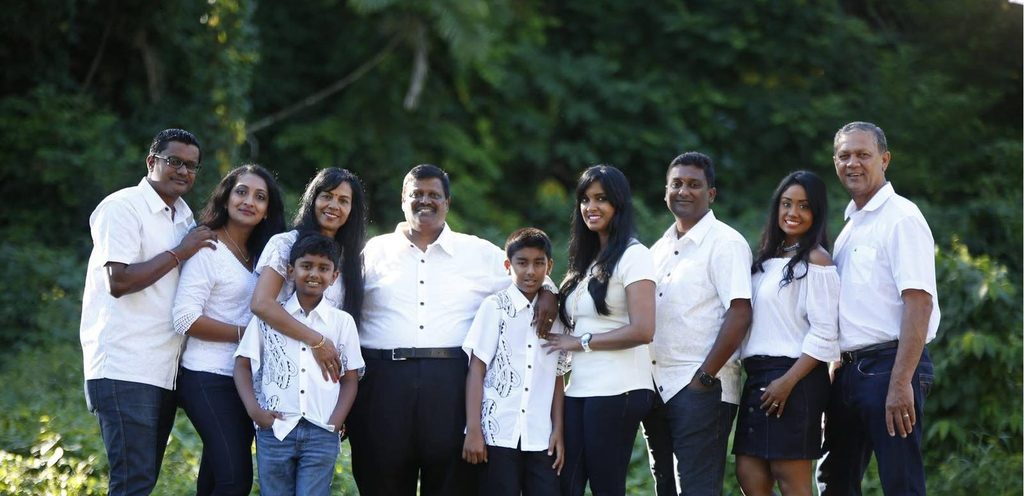
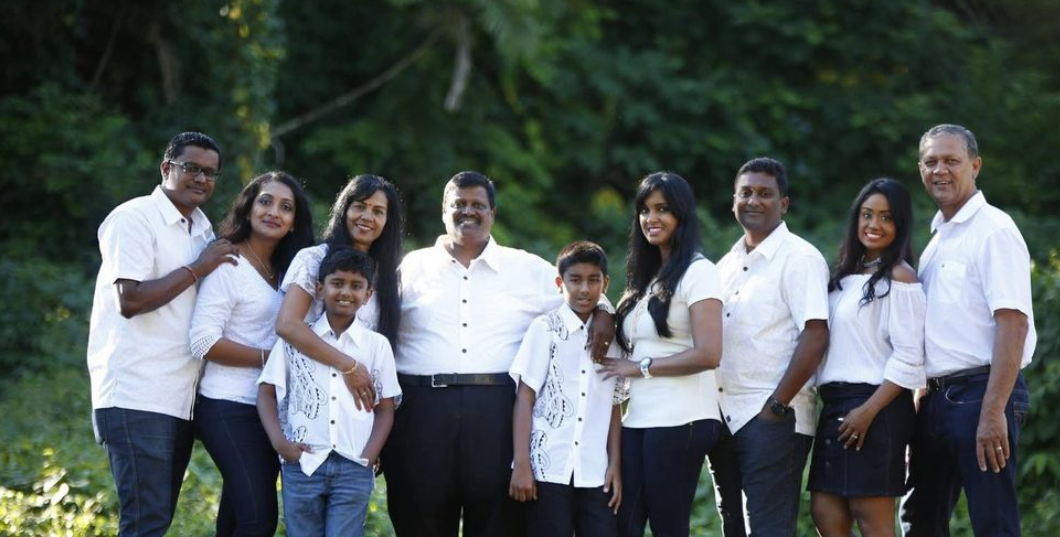
Sadasivan Naicker with members of his family. Picture: SUPPLIED

