
AS climate change intensifies the frequency and impact of natural disasters, small island developing states (SIDS) such as Fiji remain on the frontline.
Rising sea levels, stronger cyclones and recurring floods pose serious threats to lives, livelihoods and infrastructure.
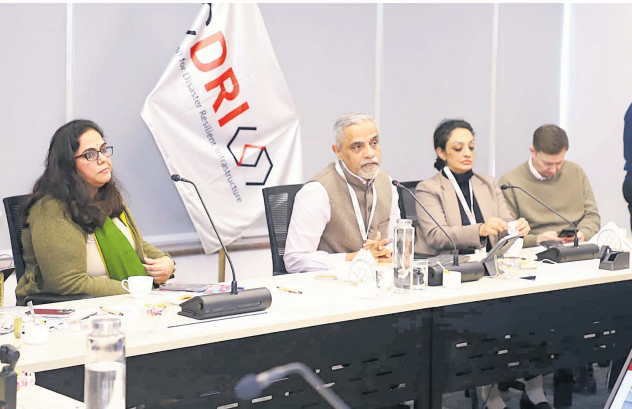
Against this backdrop, Fiji is emerging as a key partner in a global effort to strengthen climate resilience and sustainable development through a dedicated facility led by the Coalition for Disaster Resilient Infrastructure (CDRI).
According to Aishwarya Pillai, Lead Specialist for Infrastructure for Resilient Island States (IRIS) at CDRI, the IRIS program was created specifically to meet the unique needs of SIDS.
“IRIS, as it’s called in short, is the dedicated technical assistance and funding facility that CDRI has designed for small island developing states,” Ms Pillai said.
A global commitment born at COP26
IRIS was launched in 2021 during the COP26 climate conference, marking a concrete commitment by CDRI to work alongside island nations on their climate ambitions and development priorities.
Ms Pillai said this was their kind of commitment to partner with SIDS on their climate ambitions, or sustainable development goals.
She said the facility was introduced during a high-level session at COP26 and was backed by four major international donors — India, Australia, the European Union and the United Kingdom.
“We have India, Australia, the European Union and the UK that have committed around $40 million to kind of working with SIDS, partnering with them.”
Since its launch, IRIS has become a key channel for engagement with island nations, supporting 24 projects across 25 SIDS.
Fiji’s role from the start
Fiji holds a special place within the IRIS program, having been involved from its inception.
“Fiji is one of the countries that has been the founding member of the IRIS, kind of helping design that facility,” Ms Pillai said.
That early involvement has translated into tangible support on the ground, particularly in strengthening disaster preparedness and response.
Strengthening early warning systems
Ms Pillai said one of the flagship IRIS-supported initiatives in Fiji is a $500,000 project focused on enhancing early warning systems.
“In Fiji, essentially, the grant we’ve given is around $500,000 and it’s for the early warning system.”
The project aims to move beyond fragmented, single-hazard warning mechanisms and create a more integrated approach.
“What that intervention does is it maps all the existing single hazard early warning systems into a comprehensive multi-threat, multi-hazard early warning system.”
Ms Pillai said the initiative was being implemented by Live and Learn, in partnership with the National Disaster Management Office (NDMO), Telecom Fiji Ltd and the Ministry of Waterways, ensuring strong collaboration between civil society, government agencies and the private sector.
Nature-based solutions for flood risks
Recognising Fiji’s exposure to flooding, the project also incorporates nature-based solutions aimed at reducing disaster risks.
“We heard earlier about flooding, how Fiji is also prone to flooding. So this kind of output is around ensuring that we have some nature-based solutions to prevent that,” Ms Pillai said.
The Fiji initiative forms part of the broader Green Climate Fund-funded Early Warning for All program, aligning national action with global climate resilience efforts.
From data to decision-making
Ms Pillai said beyond funding projects, CDRI has also supported Fiji through detailed risk and fiscal assessments to help guide long-term resilience planning.
“In Fiji, we also have done a very comprehensive risk assessment, in terms of how do we allocate budget for resilience.”
She said the fiscal risk assessment report was launched by the former Deputy Prime Minister and Minister for Finance, who acknowledged the importance of translating research into practical action.
“He understood the need to ensure that the knowledge that we produced is now put into action by the government and other stakeholders.”
Fiji also sits on the IRIS steering committee, contributing to the identification of priority areas for resilient infrastructure across island states.
More than just funding
Ms Pillai stressed that IRIS was not solely about financial support but also about access to global expertise.
“The grant is not just about funding. It’s also kind of giving you access to experts from the coalition.
“We are just the secretariat, but you have a 65-member coalition that’s ready to work with each other, share knowledge and bring in experts.”
She cited Haiti as an example, where IRIS support helped revise the national building code to make it more resilient to disasters.
“Our grant has enabled the revision of the National Building Code to be more resilient.”
Looking ahead
Ms Pillai said the IRIS program was designed to respect the unique context of each island nation while addressing common challenges faced by SIDS.
“No one SIDS is similar to the other. Each is unique, and yet there are challenges that are common.”
She said with plans underway for a third funding window, more support is expected to flow to island nations in the near future.
“We’ll have soon a third funding window, so more money might be put into this program to work with SIDS.”

