
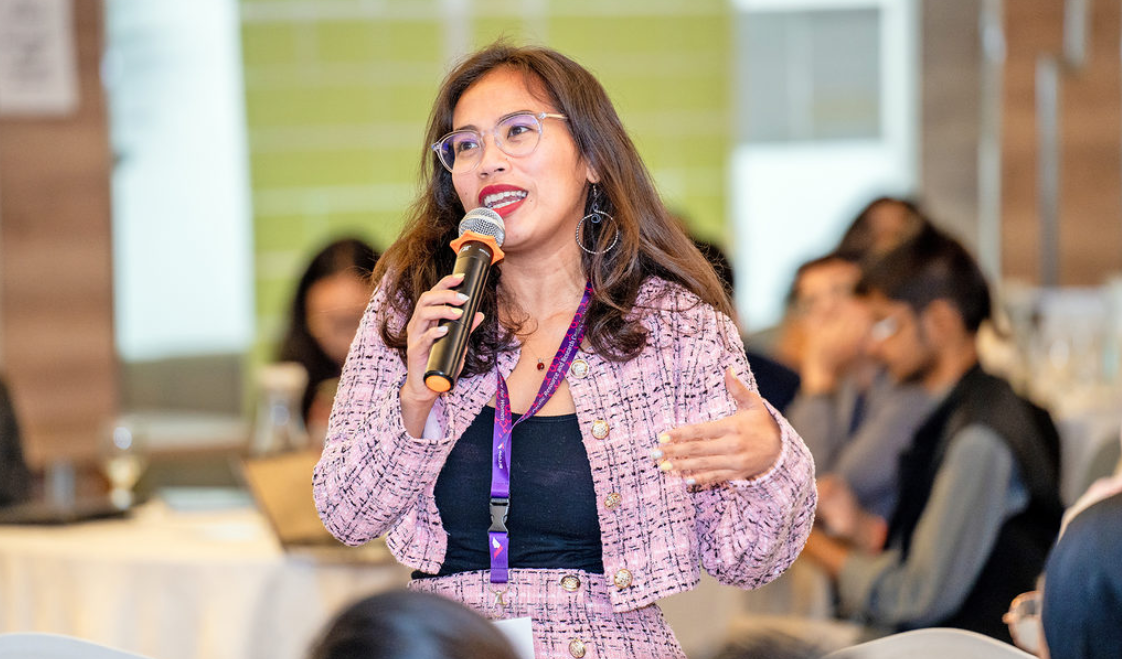
In the Pacific, young women are risking more than comments — they are risking harassment, shame, and silence, just for speaking online.
Dina Chaerani remembers the first time a private question from a teen arrived on her inbox. It was raw, awkward, and filled with fear.
The girl asked about her body, her pleasure, and what she could safely say at home. Chaerani didn’t recoil. She answered honestly.
How SRHR Barbie began
That’s how SRHR Barbie, her platform for sexual and reproductive health education, was born- a place where young people could ask, learn, and laugh without judgment.
“What works best is treating young people like full human beings, not empty cups waiting to be filled,” she says.
“I start from honesty, curiosity, humour, culture, and real life, not fear.
“They respond when content sounds like a person talking, not an institution lecturing.”
Through short videos, relatable skits, and visual storytelling, Chaerani addresses consent, contraception, bodily autonomy, and even pleasure.
Her aim is simple: make learning safe, practical, and stigma-free.
“If people feel shame when they arrive, they leave before the learning starts.”
And in conservative communities where asking questions can feel dangerous, that emotional safety is everything.
Chaerani asks herself one question before every post: “Would a 16-year-old feel respected by this, or talked down to?” She avoids jargon, respects differences in literacy, politics, and freedom to speak, and frames rights as part of dignity and everyday life.
“We never want people to feel they have to be perfect victims or ideal feminists to deserve protection.”
The costs of speaking online
But speaking online comes with risks. Chaerani has faced harassment, misinformation, public shaming, and doxxing.
“It is very common, and too often treated as normal when it should be a political and human rights issue.”
UNESCO research shows 73 percent of women journalists have faced online violence, and 30 percent self-censor.
“The harassment changes how women speak, what they avoid, and sometimes whether they even stay visible. That is a democratic issue.”
Online abuse reflects offline inequality
Online abuse mirrors offline inequality.
In conservative settings, a girl expected to be silent or obedient faces digital attacks that carry real-life consequences: family punishment, school exclusion, or threats to safety.
Almost 29 percent of women in the Pacific report physical or sexual violence from an intimate partner – more than double the global average.
“Digital abuse is inequality adapting to new tools,” Chaerani says.
Legal protections and policy reform
For countries like Fiji, reviewing the Online Safety Act, she urges a serious approach.
“Digital harassment should be treated as gender-based violence.
“Law reform should include survivor-centred reporting, fast response to image-based abuse, protection against doxxing, clear obligations for platforms, child-sensitive support, and accessible remedies.”
She emphasises consulting those most affected: young women, LGBTQI people, rural communities, and survivors.
Collaboration is essential
Collaboration is key. “Governments, civil society, and platforms all have different roles and none can outsource responsibility. Governments ensure rights-based laws and enforcement. Civil society documents harm, educates, and supports communities. Platforms must design systems that protect, not abandon, users.”
Regular consultation, transparent reporting, local-language moderation, crisis protocols, and digital literacy are all essential, she says.
Collective resilience for young women
Resilience, Chaerani argues, should not be romanticised as an individual burden.
Collective structures are essential: peer safety networks, rapid response channels, shared moderation, and funding for feminist organisations to do this work properly.
Naming harassment politically is another step.
“When communities call harassment what it is – an attempt to silence women – the story shifts from individual weakness to structural violence.”
Digital rights, climate justice, and leadership
Digital rights are tied to climate justice, youth leadership, and civic participation. Unsafe spaces weaken advocacy. The Pacific Gender Outlook reports that climate pressures intensify food insecurity, unpaid care, and mental health challenges for women.
“If young women documenting coastal loss, relocation, or disaster response are silenced online, we lose evidence, leadership, and democratic voice all at once.
Women Deliver 2026: Elevating digital safety
Looking ahead to Women Deliver 2026, Chaerani sees a chance to elevate digital safety as a feminist issue. “WD2026 can treat digital safety as central to bodily autonomy, freedom of expression, and public participation. It can amplify lived experiences, spotlight underreported tech-facilitated abuse, and push funders to support reforms.”
She points to frameworks Pacific nations can adopt: CEDAW General Recommendation 35, CSW67 Agreed Conclusions 2023, the Global Digital Compact 2024, and practical guidance from UNICEF and UN Women.
“These tools help turn principles into local legal design.”
Meaningful inclusion on the global stage
Chaerani stresses that international platforms must go beyond token inclusion.
Pacific women must shape agendas, budgets, and recommendations from the start. Funding, travel, interpretation, and recognition of diverse expertise are key.
“The Pacific is not a side note. It is where gender inequality, colonial legacies, climate pressure, digital vulnerability, and youth leadership meet.”
The next five years
In the next five years, Chaerani wants digital rights integrated into everyday feminist struggles.
Stronger laws, platform accountability, survivor-centred reporting, youth-led education, digital security, ethical content moderation, and feminist storytelling all form part of her vision.
“When women and girls are unsafe online, their rights do not shrink on the screen. They shrink in public life.”
For young Pacific women, Chaerani’s message is urgent: online spaces are not optional platforms for advocacy – they are essential arenas where leadership, rights, and democracy are claimed or denied. And the fight for safety online is inseparable from the broader fight for equality.
n Dina Chaerani is the co-founder of Sexdugram and the Youth Coalition for Girls, and the founder of the Lapor Yuk! Movement, advocating for digital safety and rights for young women.
n Cheerieann Wilson is a Women Deliver Conference 2026 scholarship recipient who, ahead of WD26, will be interviewing women leaders and advocates to spotlight key issues affecting women and girls globally.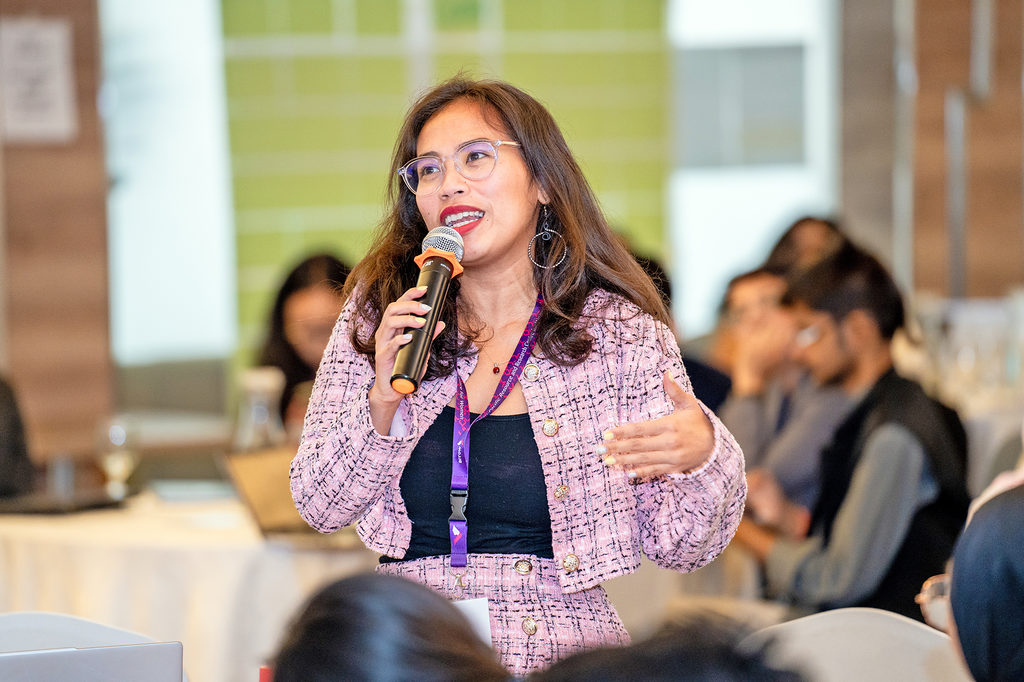
Dina Chaerani. Picture: SUPPLIED

