
Motorists seeking to enter the Land Transport Authority of Fiji’s newly introduced Payment Plan will first be required to settle all recent Traffic Infringement Notices (TINs) before becoming eligible for the arrangement.
The Payment Plan initiative, which took effect on 23 January 2026, is designed to help customers clear long-outstanding fines, particularly those issued between 2017 and 2022.
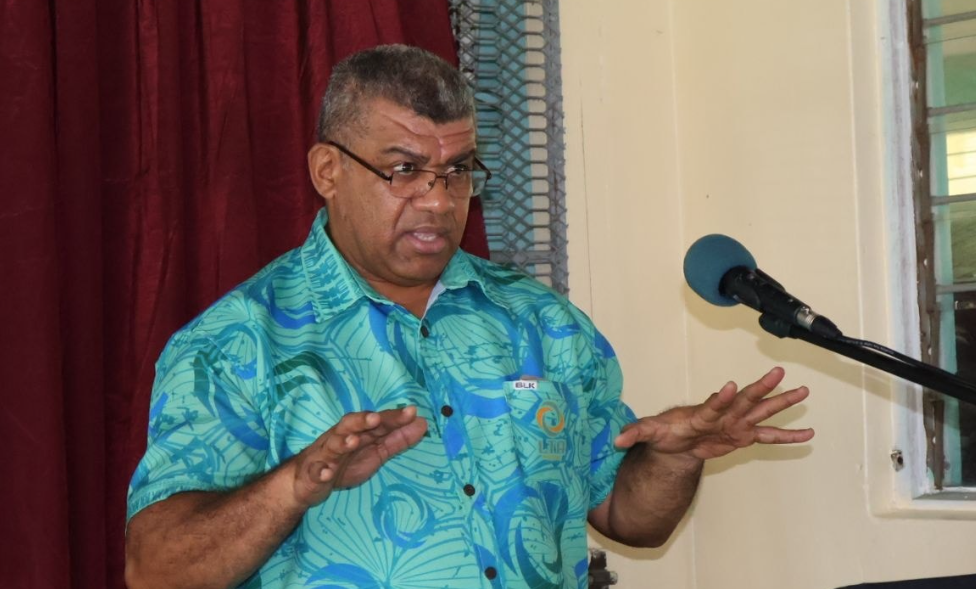
However, LTA Chief Executive Officer Irimaia Rokosawa stressed that clearing more recent infringements is a mandatory condition.
“To qualify for the payment plan, customers must first clear all outstanding TINs issued from 1 January 2023 to date,” Mr Rokosawa said.
“Only after this requirement is met can customers enter into a structured repayment agreement for older fines.”
He explained that the policy is intended to encourage ongoing compliance while providing relief for motorists struggling with accumulated penalties from previous years.
“The payment plan strictly applies only to the list of approved TINs covered under the signed agreement,” Mr Rokosawa said.
“Any infringement notice issued outside of that list must be cleared separately, regardless of when it was issued.”
Mr Rokosawa also warned that failure to meet scheduled repayments would result in cancellation of the agreement.
“Customers must understand that defaulting on the agreed payments will automatically void the arrangement,” he said.
He added that each payment plan is governed by a formal agreement outlining the specific fines, repayment amounts, and timelines, ensuring transparency and fairness for both the Authority and customers.
From an operational perspective, Mr Rokosawa said the policy will help reduce unrecovered penalties, ease administrative backlogs, and improve enforcement efficiency.
“The funds recovered through this initiative will directly support road safety programmes, enforcement operations, and transport-related infrastructure that benefit the wider community,” he said.

