
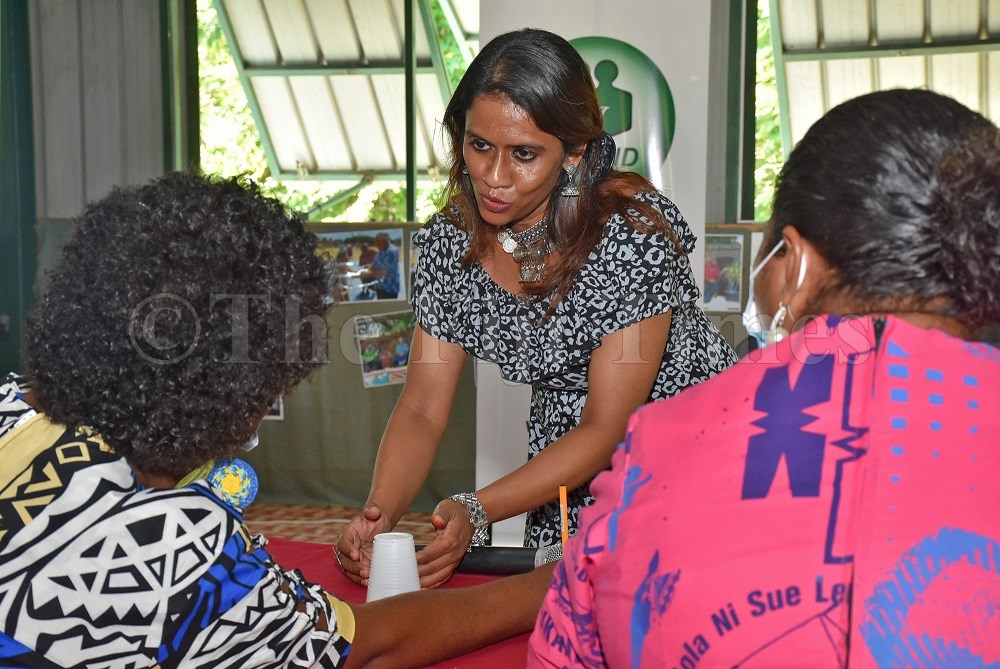
Non-communicable disease-related deaths occur most in countries like Fiji because of the lack of access to specialised medical care.
While speaking at a community health workers training in Tuvu, Lautoka, Health Ministry head of wellness, Dr Devina Nand said globally about 4.41 million people are killed by NCDs each year.
“Out of all the deaths in the world, 71 per cent of them are NCDs and that means only 29 per cent is anything else like communicable diseases, yet NCDs don’t get the right focus.
“They have been killing us for centuries.” Dr Nand said each year, more than 15 million die young from NCDs globally.
“These are what we call premature mortality or before the age of 75 and 85 per cent globally, are premature deaths out of this total NCD death.
“Most of the NCD deaths occur in countries like ours. They happen in countries like ours because sometimes we don’t have the access to care.
“We might not have a specialist who might be able to treat you if you had been in a country like the USA, Australia and New Zealand.
“These are heart specialists, kidney specialists and this is why most of the deaths occur in the low and middle-income countries like ours.” Dr Nand said in Fiji, NCDs had a broad meaning.
“So, when we say non-communicable diseases we are not only referring to diabetes, heart disease, lung diseases, we are also referring to accidents and injuries, we are also referring to mental health because they can’t be passed on to another like coronavirus.
“These are all part of the NCDs definition in Fiji.
“They last for a long time and they are a result of a combination of factors that are part of your environment.
“Things like what you eat, what you grow, how much exercise you do, how much stress you have, including the chemicals that are in your environment and chemicals as you know to cause cancer.”

