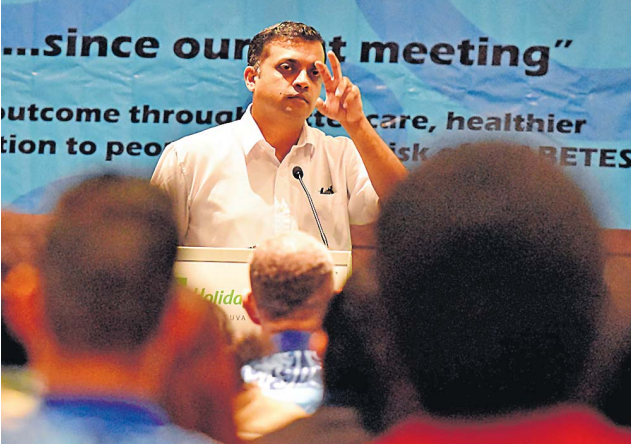
MEN who keep their health concerns and personal struggles to themselves risk delaying treatment and putting their lives in danger, a consultant urologist has warned.
Colonial War Memorial Hospital consultant urologist Dr Rajeev Patel said many men were reluctant to seek medical help or discuss personal problems because of how they had been raised.
He said the belief that men should remain strong and suppress their emotions often prevented them from seeking help when they needed it most.
“Traditionally speaking, men are being brought up not to express their feelings, not to share their personal problems, so they’re trying to appear strong,” Dr Patel said.
He said prostate cancer was among the common cancers affecting men in Fiji, particularly those aged over 50, while cancers among younger men aged between 15 and 40 were more varied.
Dr Patel said early-stage prostate cancer often presents no symptoms, making regular health checks and awareness of changes in the body important.
He urged men experiencing urinary problems, including frequent visits to the bathroom, difficulty passing urine or a weakened urine flow, to seek medical attention at their nearest health centre.
A prostate-specific antigen (PSA) blood test could help identify possible signs of prostate cancer, although further investigations, including a biopsy, were required to confirm a diagnosis.
He also encouraged men to check for unusual lumps in the scrotum, which could indicate testicular cancer.
“If we catch your testicular cancer at an early stage, we can give you a good cure through surgery and chemotherapy.”
For men aged over 50, Dr Patel recommended regular health checks covering kidney function, cholesterol levels, heart health and prostate health.
He said adopting healthy habits, including regular physical activity, eating more vegetables, drinking plenty of water and avoiding smoking and excessive alcohol consumption, could help reduce health risks.
Beyond physical health, he said friends and family had an important role in identifying early signs of mental health struggles by checking in on the men around them.
“Just so that you can pick up any red flags or signs of any mental health issues.”
Dr Patel said awareness of men’s health should extend beyond Movember, with conversations and support continuing throughout the year to encourage men to speak openly and seek medical help when needed.