
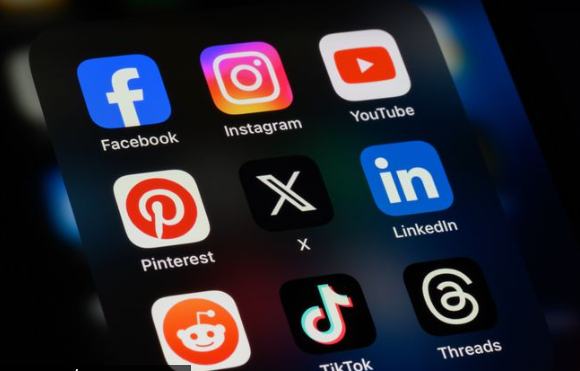
A new study by BBC Media Action has found that 66% of Fijians use the internet primarily for social media, confirming the central role platforms play in daily communication, entertainment, and news consumption in Fiji.
According to the research, Facebook remains the most widely used platform, followed by YouTube, TikTok, and Instagram. Usage patterns vary sharply by age, with younger Fijians driving engagement on fast-growing platforms.
“Younger users aged 18 to 34 are significantly more likely to use Instagram, TikTok and Snapchat,” the report states.
“Facebook and YouTube, however, attract a much broader demographic across age groups.”
The study also highlights a clear urban-rural divide. Urban internet users tend to engage with a wider range of platforms, while rural users rely more heavily on Facebook and YouTube for staying connected with family, accessing information, and entertainment.
Despite high usage, the research shows widespread scepticism toward content on social media—particularly on Facebook and TikTok—due to misinformation concerns.
“Audiences expressed distrust in social media platforms because of fake news and unreliable content,” the report notes.
Many respondents said they intentionally seek out established news outlets on social platforms — including Fiji Village, Fiji Times, and Fiji One — to find trustworthy information.
BBC Media Action says this trend aligns with other national findings on news consumption, which show that mainstream news organisations dominate online engagement.
“The top consistently engaged social media pages have been the news media organisations online, which indicates the emergent intersection between traditional media and the social media landscape,” the report concludes.

