
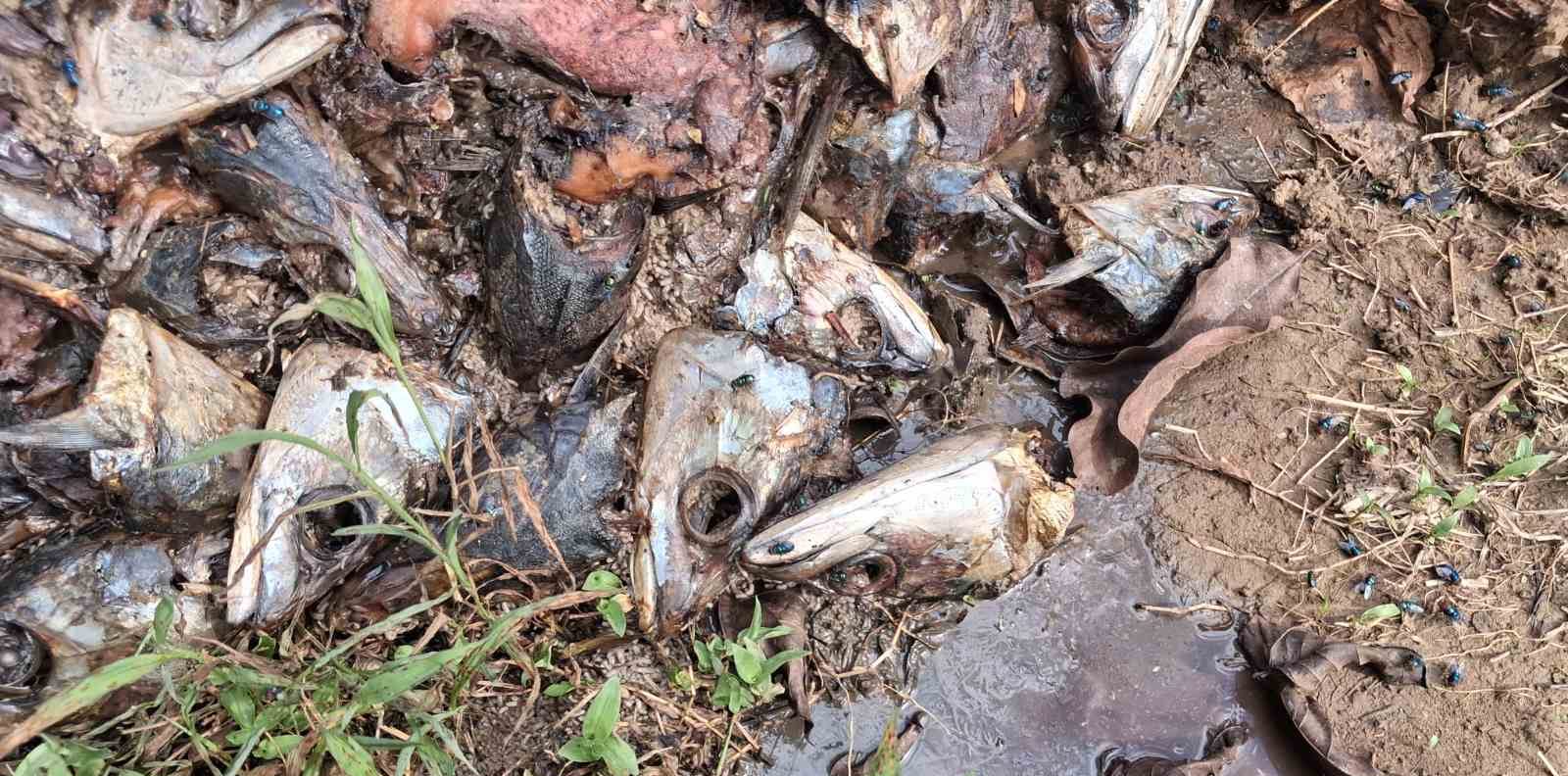
The Ministry of Environment and Climate Change (MECC) has initiated enforcement action following the illegal dumping of fish waste along Namosi Road, linked to a fish processing facility operating in Walu Bay.
MECC confirmed that a joint inspection and investigation found the company was operating without a valid Waste Disposal Permit and had engaged an unlicensed transporter to remove its fish waste.
According to the Ministry, the transporter was denied entry at the Naboro Landfill after the waste was found to be improperly packaged.
Subsequent investigations, supported by landfill records and CCTV footage, verified that the same vehicle later unlawfully dumped the waste along Namosi Road.
The illegally dumped waste was later recovered and returned to the processing facility, before being properly transported to the Naboro Landfill by a licensed waste operator.
MECC said the company will be issued a Non-Compliance Notice for operating without a valid Waste Disposal Permit.
Further enforcement proceedings will also be undertaken for illegal dumping under Section 45 of the Environment Management Act 2005.
Minister for Environment and Climate Change, Lynda Tabuya, condemned the incident, describing the conduct as unacceptable.
“This conduct is unacceptable. Businesses are legally required to hold valid permits and to use licensed waste operators. Ignorance or convenience does not excuse unlawful dumping,” she said.
“Illegal waste disposal threatens public health, undermines compliant businesses, and damages our environment. We will not hesitate to act.”
The Ministry has reiterated that environmental compliance is mandatory and warned that regulatory breaches will attract decisive enforcement action.
MECC has also urged businesses and waste operators to ensure they comply fully with permit requirements and proper waste management practices to prevent environmental harm and protect public safety.

