
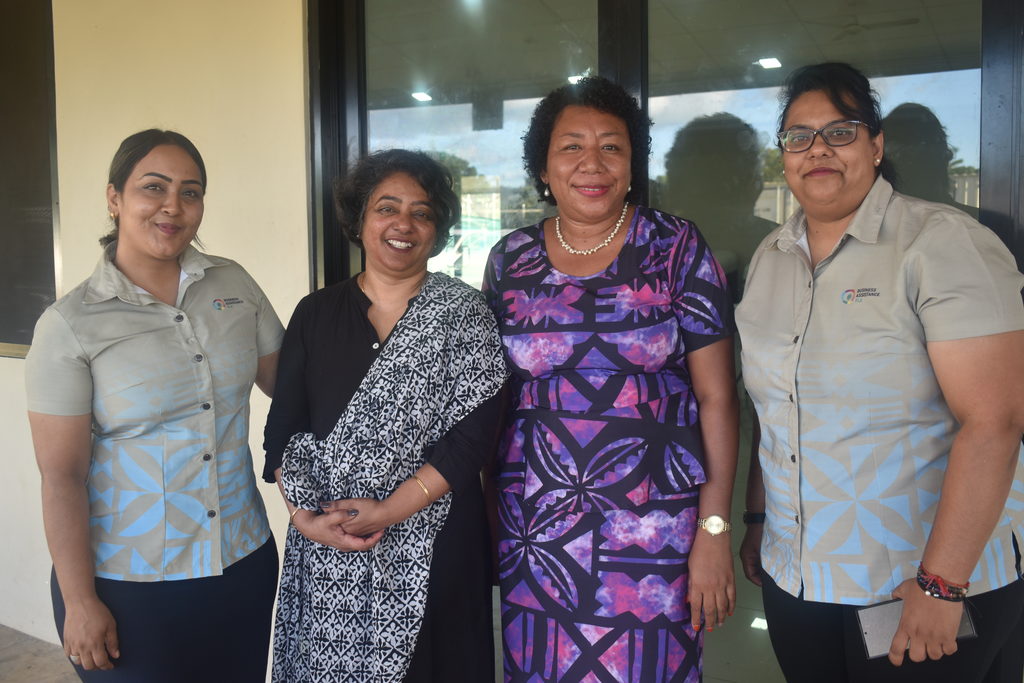
FIJI risks losing millions in tourism revenue because many souvenirs sold to visitors are imported rather than locally made, according to Social Protection Minister Sashi Kiran.
Ms Kiran said more than one million tourists visit Fiji each year and spend money on souvenirs but much of that income do not reach local communities.
“Many products sold in duty-free shops and handicraft markets are imported from countries such as Bali, the Philippines and other parts of Asia,” she said.
While speaking at a workshop at Fiji Football Academy in Labasa, she said 95 per cent of the handicrafts sold at the duty free and retails are not locally made.
This means the money tourists spend is not going to you.”
She said Fiji had the resources and skills to produce authentic local products, but many artisans were not tapping into that opportunity.
Other Pacific countries, she said, had successfully built strong identities around their traditional crafts.
“In Papua New Guinea, bilums are unique to their culture.
“In Samoa, red shells and small snails are famous souvenirs.
“In the Solomon Islands, cowrie shells are highly valued but when we go to many handicraft markets in Fiji, we often see products that are not truly from Fiji.”
She said villages across the country possessed rich natural resources such as kuta, voivoi and masi that could be transformed into distinctive products.
“Each village has its own masi designs and weaving styles.
“Those skills are gifts and they are what we offer to the world.”
However, Ms Kiran said Fiji needed to improve quality standards to compete in formal markets.
“Product specification is about standards, the measurements, materials, finishing touches and durability that ensure customers receive the same level of quality whether they buy in Labasa, Suva or overseas.”
She said with tourism continuing to grow, northern communities had an opportunity to supply authentic Fijian products to visitors.

