
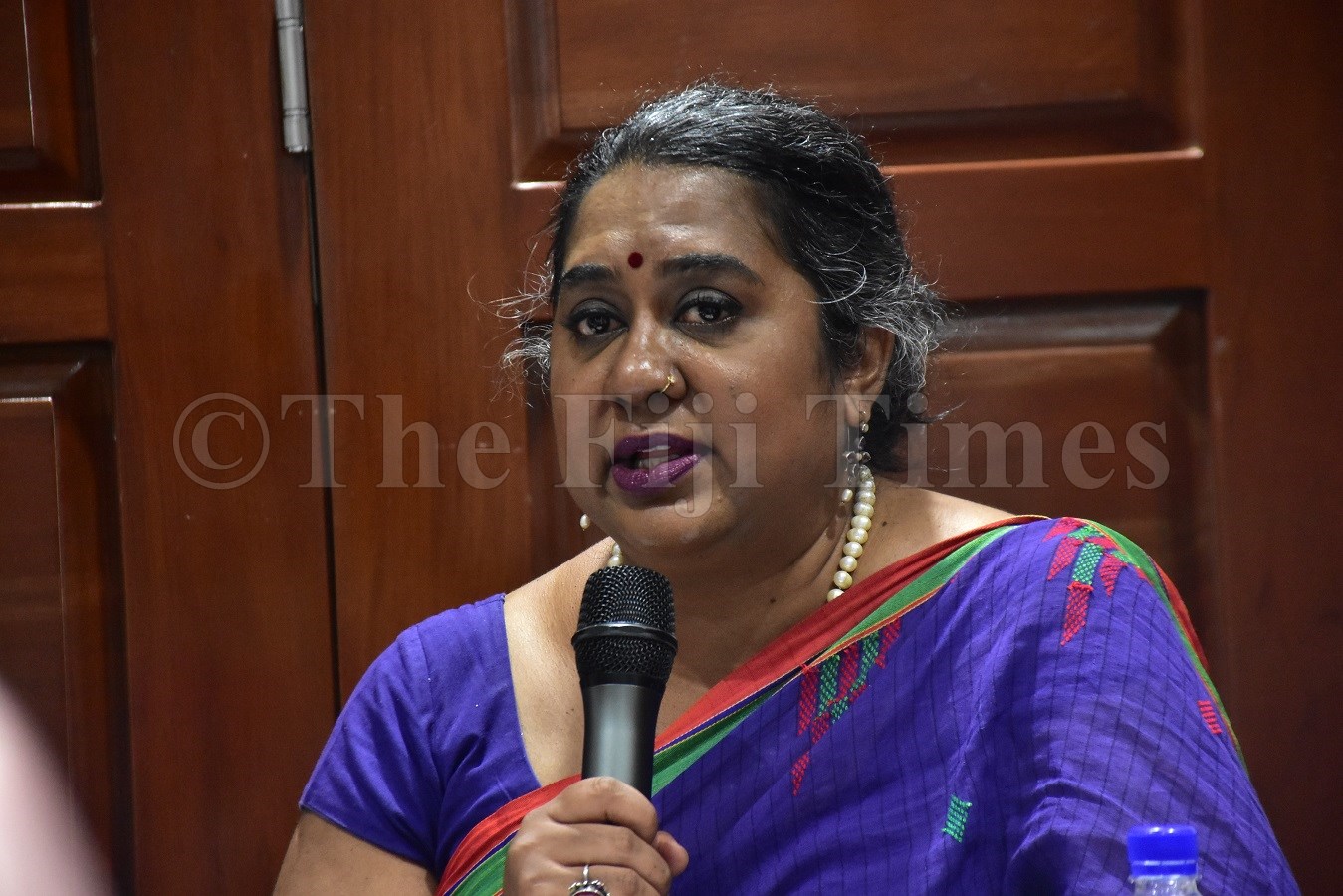
FIJI Women’s Rights Movement executive director Nalini Singh believes men’s issues are already being addressed by government.
Ms Singh made this statement following calls from a senior pastor for a ‘Ministry of Men’ to be established.
“Men’s issues are not ignored by government; they are addressed through mainstream ministries,” she said.
The FWRM says men’s issues are already addressed through existing government ministries, and promoting gender equality benefits men as well as women.
She said men’s interests have long been built into the architecture of the State, while women’s interests had to be intentionally included.
“Ministries of Women exist to correct historical inequalities, ensuring women and girls have equal access to rights, opportunities, and justice — not to prioritise women over men.”
Ms Singh said men’s concerns were already covered across existing ministries.
“Health ministries respond to issues like prostate cancer, suicide, substance abuse, and workplace injuries.
“Education and labour ministries work on boys’ school retention, youth unemployment, and skills development.
Justice and policing systems handle men’s experiences of crime, violence, rehabilitation, and reintegration. Social welfare and family ministries promote responsible fatherhood and parental engagement.
“Mental health initiatives increasingly address pressures created by rigid masculinity norms.”
Promoting gender equality, she said, benefitted men as well.
“Reducing violence, promoting shared caregiving, challenging harmful gender norms, and improving family well-being
create healthier environments for men.
“Research consistently shows that societies with greater gender equality experience lower rates of violence, stronger social cohesion, and better mental and physical health for all genders.
“The question should not be ‘Why don’t we have a Ministry of Men?’ but ‘How can governments ensure men’s needs are addressed while still tackling systemic gender inequality’.”
She said a fair and inclusive society required both dedicated institutions to correct inequality and responsive systems that supported everyone.

