
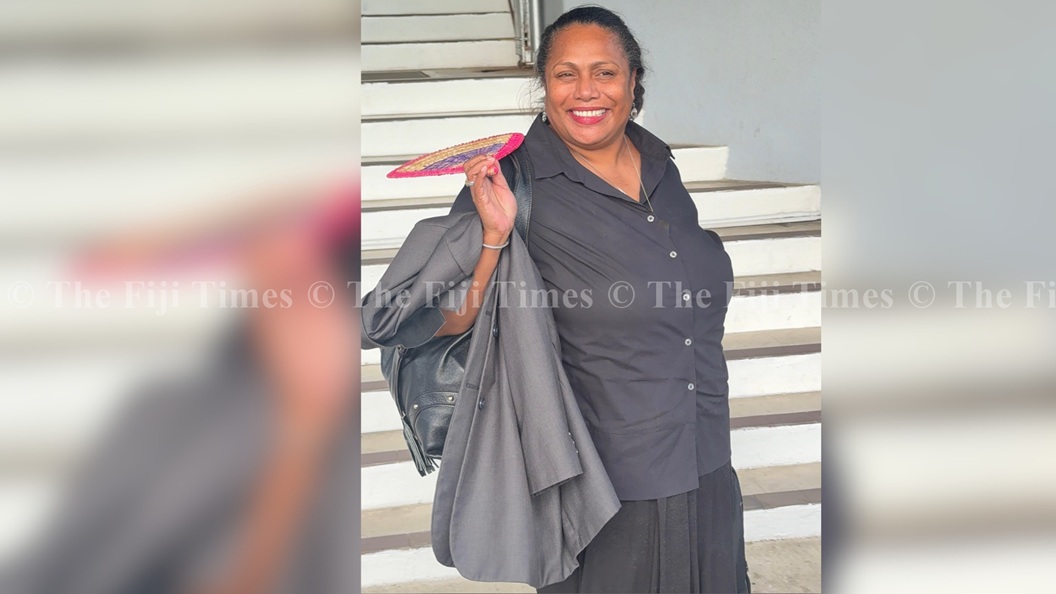
Suva lawyer Tanya Waqanika today argued that her client, former Fiji Independent Commission Against Corruption Commissioner Barbara Malimali, was denied natural justice.
Ms Waqanika submitted that, like William Wylie Clarke, Laurel Vaurasi, and Graham Leung, her client was neither given an opportunity to respond nor notified in advance of adverse findings before they were published in the Commission of Inquiry report.
She said Ms Malimali’s reputation had been the most affected following publication of the report and maintained that the inquiry into her suitability for appointment as FICAC Commissioner fell outside the terms of reference.
Ms Waqanika further argued that the Commissioner, David Ashton-Lewis, had already formed the view that Ms Malimali was “universally corrupt,” and bias on the part of the Prime Minister in recommending Justice Ashton-Lewis, whom she said he had known since 1992, to conduct the inquiry.
She also stated that Justice Ashton-Lewis was aware of the leaked COI report and related video circulating on social media.
Accordingly, Ms Malimali and the other applicants are seeking to have the report declared null and void, along with other declaratory relief.
The state, however, submits that if the High Court finds procedural defects or breaches of natural justice, the appropriate relief should be limited to declarations rather than nullification of the entire report.
State lawyers informed Justice Dane Tuiqereqere that once a Commission has completed its work and issued its report, remedies such as certiorari are no longer suitable, and the Court should instead declare any procedural failings without disturbing the report as a whole.
The State also opposed claims for reputational damages, noting the absence of supporting authority in judicial review proceedings, and rejected arguments on vicarious liability, emphasising the independence of the Commissioner from the State.
In relation to specific claims, the State argued that damages for loss of office were not available to a former Attorney-General due to the non-tenured nature of the role and the discretionary powers of the Prime Minister.
Ms Waqanika also raised concerns about the defamatory and extreme language used by the Commissioner in the report, and when questioned by Justice Tuiqereqere about the “unusual language” in the report, particularly descriptions of the applicants, the State agreed that it had gone overboard, describing it as harsh and expressing sympathy for those affected.
Hearing continues tomorrow at 10 am.

