
A recent national census for Pacific Island Countries revealed a high percentage of the national populations are bilingual, says Educational Assessment and Evaluation Specialist Anaseini Raivoce.
Ms Raivoce said the census findings showed that at least 77 per cent of Tongans and 95 per cent of Fiji nationals are bilingual.
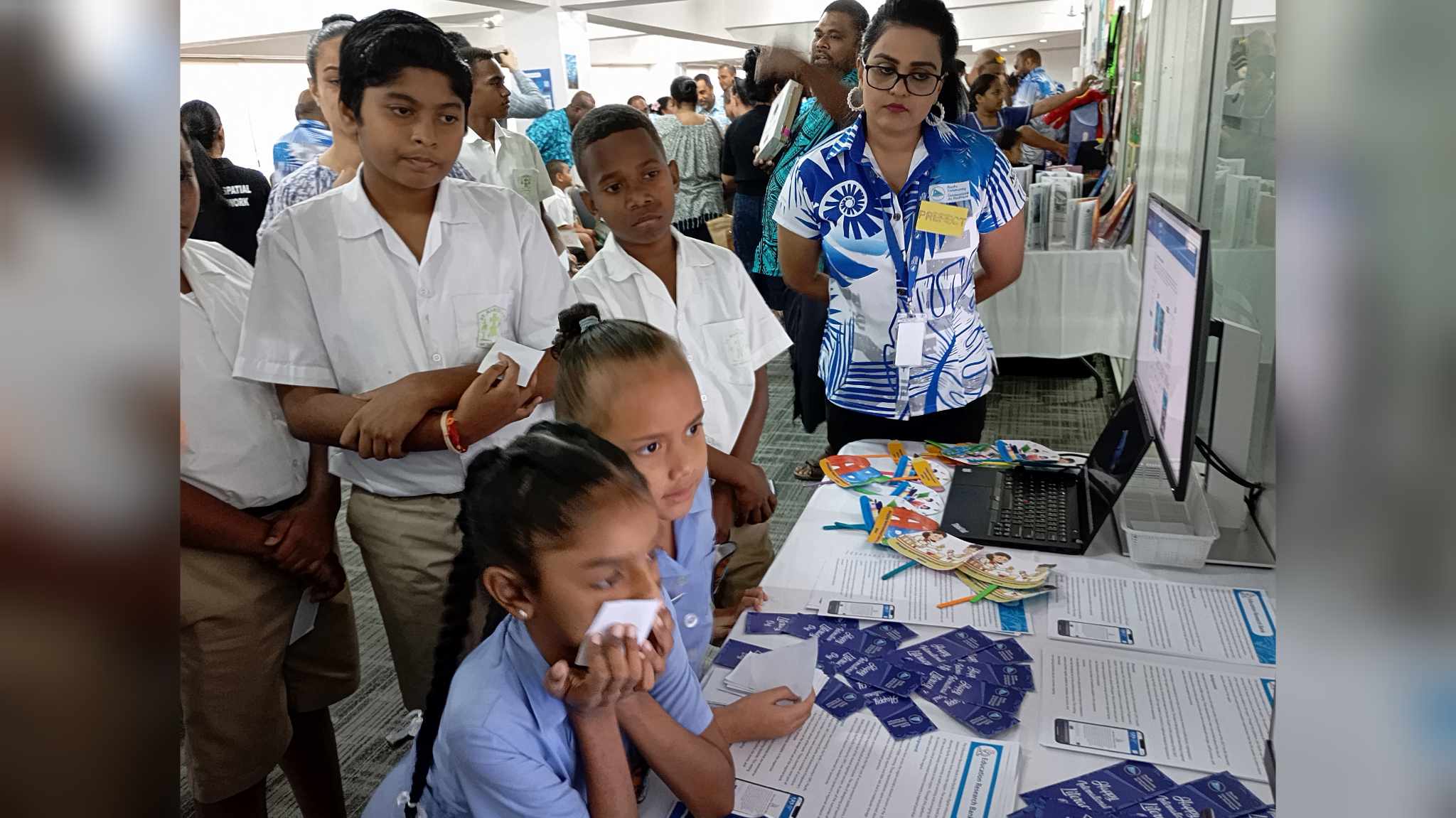
She stated this during the world literacy and numeracy celebrations at the Pacific Community (SPC) branch in Nabua, Suva, yesterday.
“These are very high percentages when compared to New Zealand 20 per cent and Australia 25 per cent,” she said.
“In the UK, the source of English bilingualism is claimed by 35 per cent of the population.
“Multilingualism isn’t just a matter of speaking multiple languages, it’s about thriving within multiple cultural contexts each with its own values, norms, and world views.”
She said these factors coupled with familiarity with Pacific Island Countries, suggested the region was well along the road in establishing its multilingual reputation.
“For instance, Papua New Guinea alone is home to over 800 languages representing about 12 per cent of the world’s total languages.
“In countries like Vanuatu and the Solomon Islands the number of languages spoken per capita is among the highest globally.
“This diversity results from centuries of migration, trade and cultural exchange among the islands and the outside world.”
She said one significant challenge in incorporating multilingualism in Pacific education systems was the lack of educational resources in many indigenous languages.
“Issues involving assessment for multilingualism are rarely addressed, assessment polices, and practices have a history of lagging behind the advances in teaching.”
Ms Raivoce said embracing multilingualism in education could foster a more inclusive learning environment that respects all classroom identities.
“Ultimately promoting multilingualism in the Pacific is not just about increasing literacy rates, it’s about fostering a richer more inclusive society where all voices are heard, and all cultures valued.”

