THERE is not enough education on the importance of accumulating retirement funds.
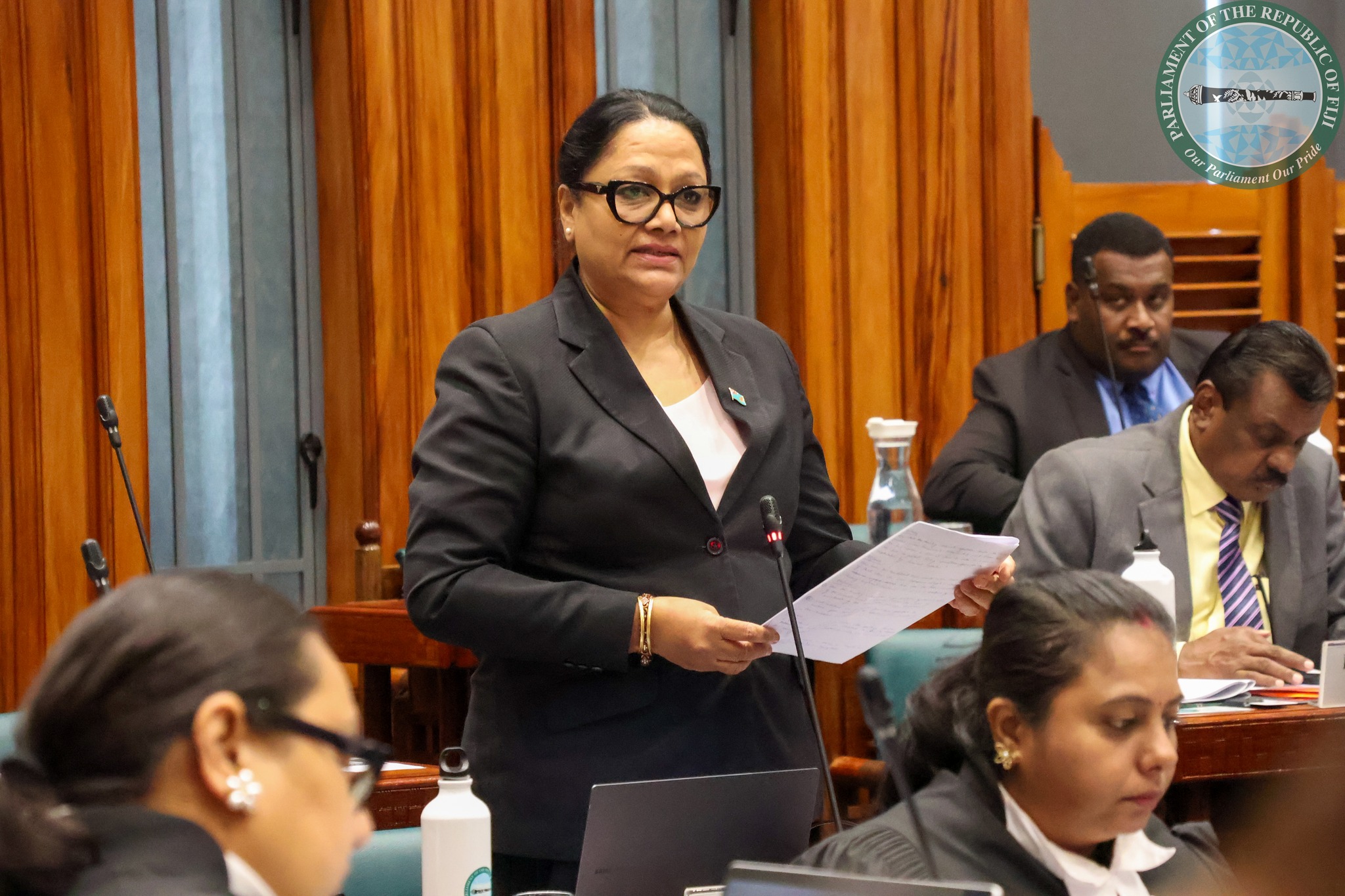
Opposition MP Premila Kumar made the comment after debating the Fiji National Provident Fund’s 2025 Annual Report in Parliament, where she acknowledged the fund’s strong financial position, including revenue of more than $1.1billion, total assets exceeding $10billion and an 8.75 per cent interest rate paid to members, the highest in more than 30 years.
However, she said strong financial performance by the fund did not necessarily mean members were financially prepared for retirement.
Speaking to this newspaper, Ms Kumar said many members continued to view FNPF savings as money that should be available whenever they needed it, rather than as savings meant primarily for old age.
“I think its become a ‘Catch-22′ situation. They’re thinking of their needs now, which also indicates the difficulty people are facing, the difficulties which are confronted by our people,” Ms Kumar said.
“There needs to be more education in terms of the importance of accumulating your retirement funds”
Ms Kumar said this had created a difficult situation, as some members kept their money in the fund but later chose to withdraw it as a full lump sum when they retired, instead of taking a pension that would provide a regular monthly income.
She said once the full lump sum was withdrawn, the risk was that retirees could quickly exhaust their savings if the money was not invested or managed properly.
Ms Kumar said lump-sum withdrawals could be useful if retirees invested the money in a business or used it to create income-generating assets.
“Unfortunately, our people are not thinking about their retirement.”
Ms Kumar said FNPF’s key responsibility was retirement, and while the fund had introduced measures to encourage members not to withdraw unnecessarily, many members still wanted greater freedom to access their funds.
She said there needed to be careful consideration around what members could withdraw and what should remain protected for retirement.
“FNPF should also use lessons learned from members’ withdrawal behaviour to develop policies or strategies that strengthened membership outcomes and ensured members had sufficient funds when they retired.”