
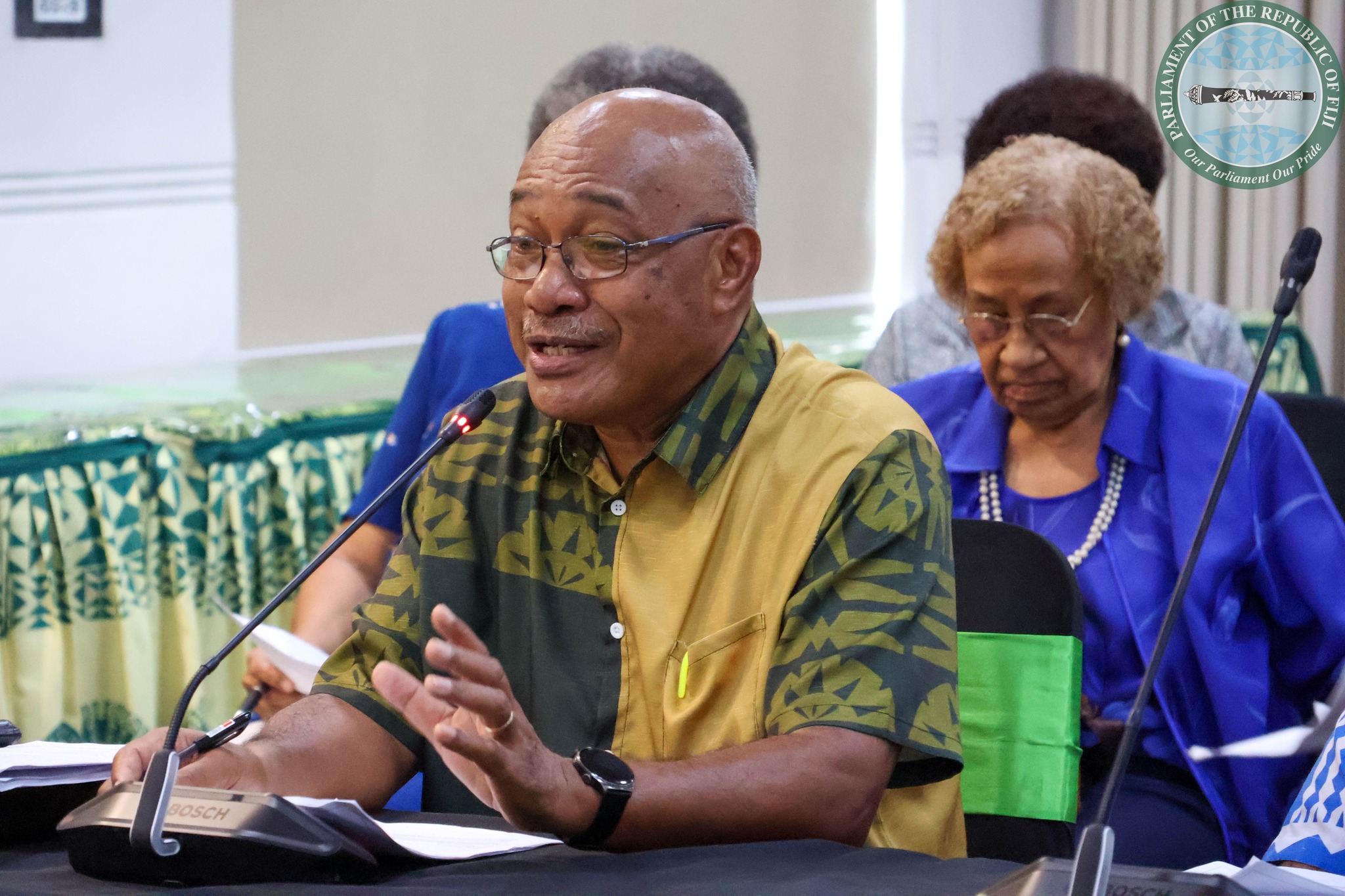
The removal of ethnic identity from formal government records is severely limiting efforts to understand and address the specific educational challenges faced by the iTaukei community, according to Great Council of Chiefs (GCC) Education Committee Chairman Iosefo Volau.
Mr Valou said the absence of ethnicity-based data has made it increasingly difficult to analyse the educational status of iTaukei students in comparison with other ethnic groups, hindering the development of targeted and effective education policies.
“The removal of ethnic identity from formal records hinders our ability to effectively address the specific needs and challenges faced by the iTaukei community,” he said.
“As a result, it becomes exceedingly difficult to analyse the educational status of iTaukei students compared with other ethnic groups.”
Mr Valou said education challenges cannot be solved using “one-size-fits-all” approaches, noting that such policies have been implemented blindly for many years without producing meaningful results for indigenous communities.
He stressed that any education programme or study introduced must be targeted, relevant and evidence-based.
“Education initiatives must involve the family, the vanua, the lotu and the state,” Mr Valou said, adding that creative and innovative solutions are needed to address long-standing issues.
He also emphasised that the timing of interventions is critical, saying education strategies must begin from an early age to be effective.
He said there is now a lack of ethnic distinction in data relating to students sitting public examinations, scholarship applications and information collected by the Fiji Bureau of Statistics.
“This erasure of ethnic identity makes it difficult to identify where disparities exist, what challenges are unique to the iTaukei community, and how those challenges compare with other groups,” he said.
Mr Valou warned that without accurate and disaggregated data, policymakers are unable to design targeted interventions, assess outcomes or measure progress effectively.
“When you cannot see the problem clearly, you cannot fix it,” he said.
He called for a reassessment of current data collection practices, saying recognising ethnic identity is not about division, but about ensuring fairness, equity and informed decision-making.
“Targeted solutions require targeted data,” Mr Valou said.

