
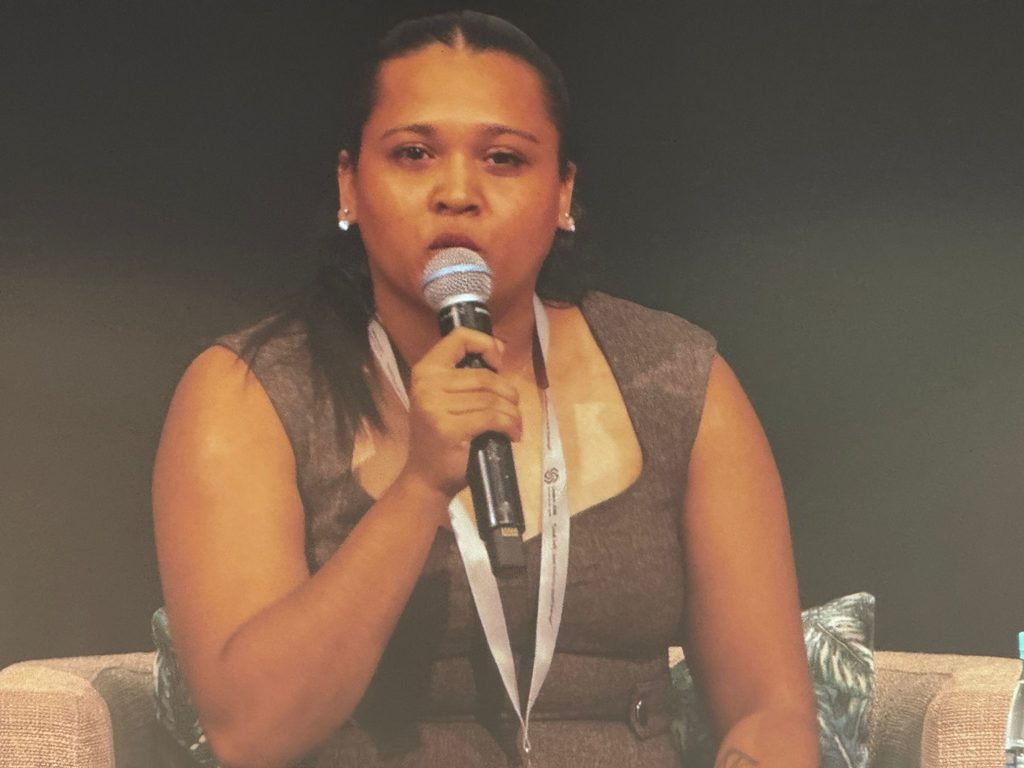
THE Leaders LEAD Symposium 2026 marked an intentional shift as Gen Z participants, took centre stage before an audience of over 250 leaders. The young emerging leaders embraced the platform, stepped out of their comfort zones and shared how they lead, and crucially, their expectations for how they want to be led.
Selected by their peers, panellists included Shaigal Chand of Fiji National Provident Fund; Jenita Singh, team leader at Bula outsourcing; Josua Serukilagi, manager finance at Bula Outsourcing; Kristiana Uluwai, communication specialist with Fiji’s Civil Service Ministry and Adi Lolia Kikau, administrative lead at Beacon Media Learning Centre.
Chand, an information technology specialist, emphasised Gen Z’s unique strengths in the workplace and highlighted how organisational leaders can recognise and utilise these strengths to enhance overall effectiveness.
“As Gen Z, we’re true digital natives. We quickly adapt to new technology, embrace change, and continually seek smarter, more efficient ways to accomplish tasks by asking questions and solving problems. We are innovative contributors, seamlessly integrating tools like AI and collaborative platforms into our workflows, and we thrive on rapid growth and real-time feedback.”
The Gen Z panellists urged leaders to cultivate environments where Gen Zs, feel recognised, supported, and inspired by shared values rather than merely following top-down commands. They emphasised the significance of leading by example, aligning words with actions, actively collaborating with their teams, and fostering trust.
Ms Prasad, CEO of Bula Outsourcing, employs over 80 per cent of Gen Z and she shares, “Gen Z do not resist authority. They resist relevance.”
When asked how they wish to be led, the panel was straightforward. Gen Z desire empathy, engagement, and adaptability from their leaders. They thrive under guidance that feels personal and responsive, rather than rigid or hierarchical. They appreciate managers who provide clear, constructive feedback. They respond best to leaders who act as mentors, eliminate obstacles, and genuinely care for both the work and the people involved.
Ms Uluwai, highlighted the issue of misconception and shared how Gen Z’s are often misunderstood. “Their resistance to irrelevance is often mistaken as resistance to authority. She called on “leaders to acknowledge Gen Z’s, through inclusive practices, such as seeking input in meetings, offering timely and sincere recognition for our contributions.” She paid tribute to her late supervisor, calling forth “leaders to advocate for Gen z’s in spaces they are yet to fill.”
Ms Singh added, “A key challenge is how Gen Z leaders can effectively guide and inspire significantly older team members who bring decades more professional experience, particularly when generational differences in values, culture, communication styles, and definitions of success create friction.”
“Gen Z brings fresh perspectives and an eagerness to innovate that can drive significant advancements within any organisation,” she explained.
“It’s crucial for leaders to not only recognise these strengths but to actively incorporate them into strategic planning and decision-making processes. By doing so, we create a culture of inclusivity and empowerment that motivates everyone to contribute their best work.”
Ms Kikau highlighted the importance of fostering an environment where Gen Z feel their ideas are valued and encouraged. “When young leaders see that their insights lead to tangible changes, it boosts their confidence and commitment to the organisation. Mentorship and continuous learning opportunities are key to helping Gen Z flourish and sustain their innovative edge.”
In her reflection of the GenZ panel discussion, participant Maria Ronna, shared, “Maybe the real question isn’t whether the next generation fits into our systems. Maybe it’s whether we’re willing to evolve.”
The unifying message, as summarised by Josua, “leadership for this generation should focus on adapting to help others thrive, rather than exercising power for its own sake. By embracing Gen Z’s strengths and leading in ways that amplify them, organisations can cultivate a more dynamic and effective workforce.”
n Mereseini Tuivuniwai is a communications specialist with Leaders LEAD Symposium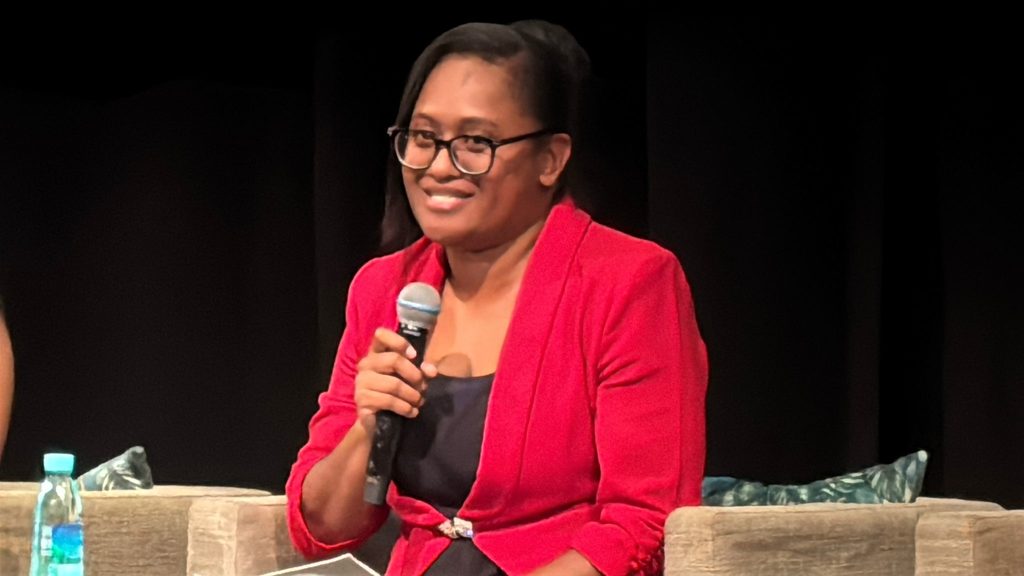
2 Gen Z panellist, Communication Specialist Ministry of Civil Service, Kristiana Uluwai.
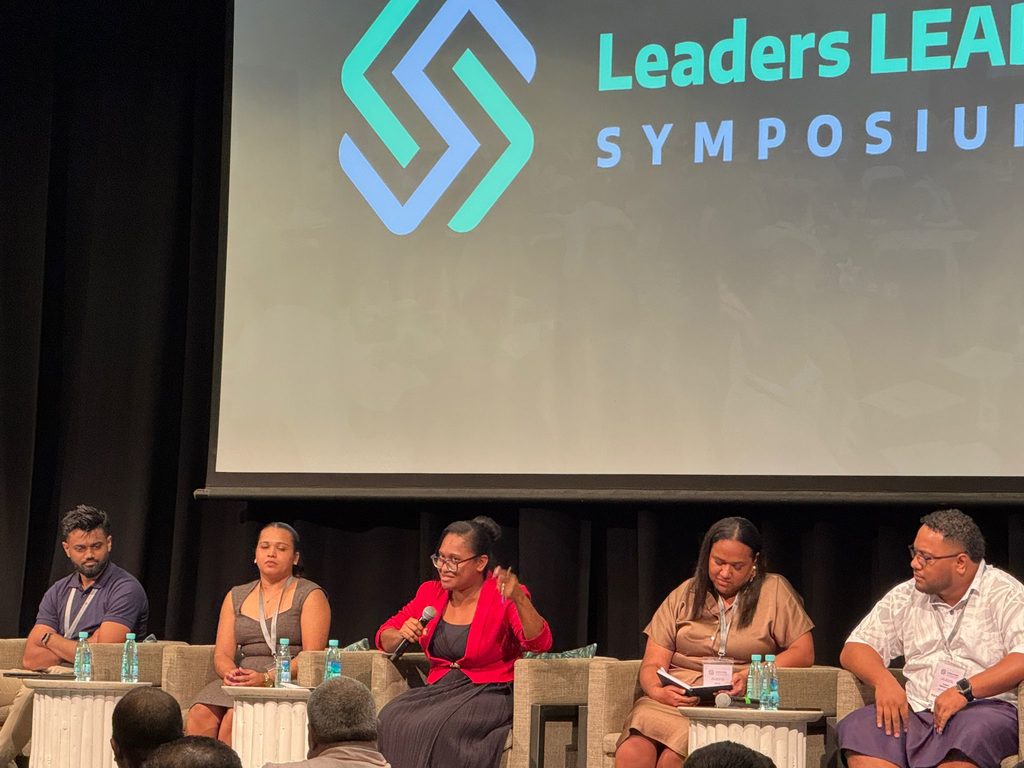
Gen Z panellists from left Shaigal Chand, Jenita Singh, Kristiana Uluwai, Adi Lolia Kikau and Josua Serukilagi.
Pictures: ELENA VUCUKULA

