
IN a modest home in Raiwaqa, Suva, 46-year-old Kolinio Lesi sits on the floor with strips of voivoi laid neatly before him.
With steady hands, he weaves not just mats, but a livelihood shaped by years of skillful knowledge.
Originally from Muamua Village in Mualevu, Vanuabalavu, with maternal links to Malaka Village in Mualevu, Vanuabalavu in Lau, Kolinio’s journey with weaving began when he was just a boy.
Learning from his grandmother
He was 11 years old when he first learned how to weave from his grandmother.
“My grandmother would weave mats and do the vavakula (the fringing of brightly coloured wool or acrylic yarn).
“Even though I was born and raised in the city, I managed to learn how to weave by simply observing my grandmother.”
By the time he was in Class 6, Kolinio had picked up the skill, so what began as simple observation soon became practice, and later became his purpose.
“When I started weaving, I was only selling within the family,” he recalls.
“As time went by, family members started informing people about it and it started to grow.
“When that happened, I tried to cater for outside orders. I was able to meet those orders and saw how it benefitted me and my family.”
He prefers to work alone, believing weavers have their own styles.
Turning skill into business
Today, weaving is not just a skill – it is his business.
“When I saw how orders were coming, I made an effort to go register a business.
“When I started operating it as a business, I realised that I had the potential to earn a lot of money because I don’t work with anyone else and what I earn is for myself.
“I have always wanted to be my own boss and with weaving I am able to do it.”
Before picking up weaving full-time, Kolinio worked in construction and in the tourism industry briefly.
He later realised that it wasn’t as viable as he thought it would be, so he returned to weaving.
His productivity is remarkable. A small mat takes him two days to complete and a coco katu rua (four metres by 3.5 metres) can take him a few days.
“That’s how fast I can weave, but when I work on a big mat, I don’t waste any time doing other things. I just focus entirely on weaving.
“If I live alone, I prepare my breakfast and my lunch because when I get started, I won’t be thinking about getting up again to cook.”
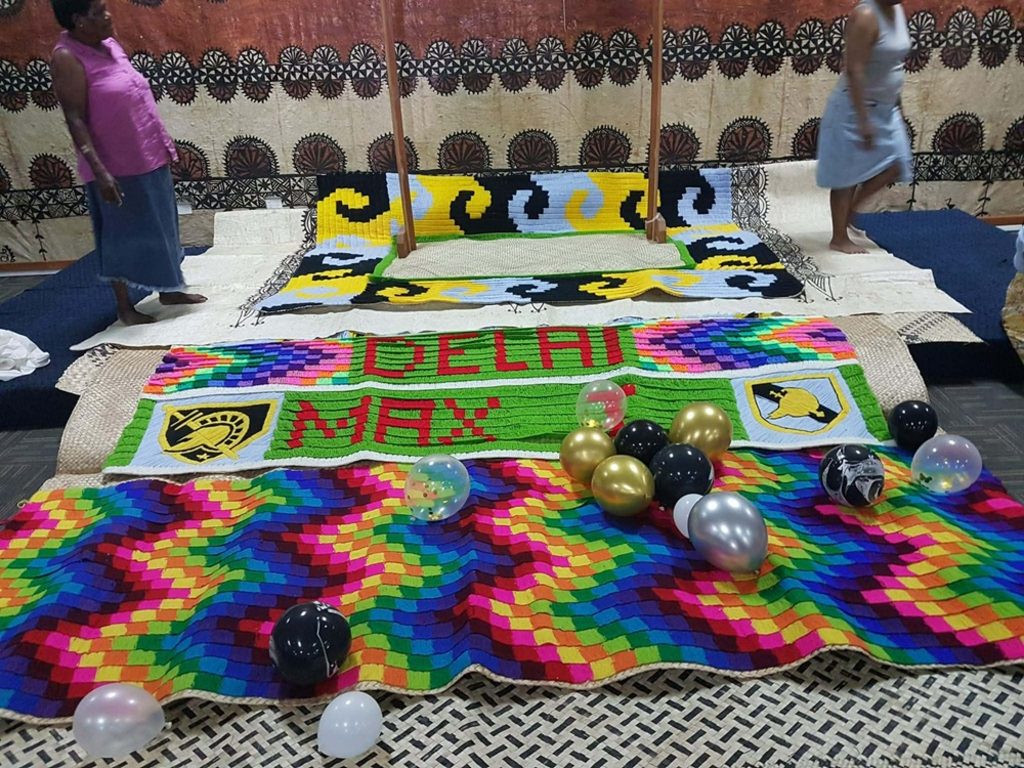
His biggest order so far was two vivivi sets, earning him $3400. One set has five mats and a vakamalumu (tapa) – that can take him one month to complete.
“I earn over $1000 from one vivivi. One was for a couple in the British Army and the other was for the Tui Nadi.”
In a good week, a small mat completed in two days can earn him $180.
“If I complete a small mat in two days I can earn a quick $180, it’s like earning $90 a day.
“I can also earn what office workers earn. The only difference is we specialise in different things.”
Protecting traditional knowledge
For Kolinio, weaving is about more than income. It is about protecting traditional knowledge.
“My mum knows how to weave but doesn’t know how to vavakula (to put colourful yarn).
“Crocheting wool onto mats is becoming a thing now, but as I’ve shared on national television, it is not our way of fringing wool.
“It was introduced to make things easy for us, but it shouldn’t be something that we teach our future generations because it’s not traditional knowledge.
He tried crocheting once.
“I realised that it does an easy job, but it can come off the mat after a short time unlike vavakula by plaiting (tobe).
“On social media, if a mat is sold online, those from overseas will ask if the kula was crocheted or plaited (tobe).
“No matter how beautiful the crocheted one looks, it will be sold at a lower price because it can be easily damaged or removed. The tobe one can last longer. Even if you try to pull the fringe, you can only damage the mat because it’s plaited well into the mat.
In the village, he is often asked to teach others how to weave mats and even fans, garlands (salusalu), tabakau, noke and iri.
“Its quite sad because I come from the city and I have to show people in the village how to do traditional weaving.
“We notice that artisans who have that skill are not passing down that traditional knowledge to the next generation, and when they die, that knowledge dies with them.
“It’s important for artisans to share their knowledge with the young generation so these skills continue to live on.”
He does live sessions on Facebook to share the knowledge with others and also teaches those who are interested to learn.
Breaking stereotypes
Not everyone has been supportive.
When he began posting his work online, he received negative comments directed at him for being a male weaver.
“I was told that I’m a man and that I needed to do manly activities like farming.
“I don’t pay attention to the negative comments because at the end of the day weaving is what puts food on the table for me.
The cost of craft
Rising material costs remain one of his biggest challenges.
In Suva, a rolled bundle of dried voivoi costs $50. Ten rolls can cost him $500.
“If I weave a few mats, I will get $1000, so I’m not making enough profit as I’ve already spent $500 in voivoi alone.
“This is why I want to buy from the village because I will pay $25 or $30 for a roll — that will only cost me $300. If you want black voivoi or somo, that costs $70 from the village. In Suva, it costs over $100 because it’s hard to make.”
He is determined to buy directly from the village as he wants the money to circulate within his family and community.
“I want family members to be able to provide for themselves as well when they provide me with materials I need for my business.”
More than one hustle
Weaving is not his only source of income.
He also helps at a school canteen, cooking lunches for children, and is hired to cook at family gatherings or special events.
“When I don’t earn anything from weaving, I have other work that supports me financially.”
Now, with an order from Australia currently in progress, Kolinio continues to weave with the same focus he learned as a boy who once observed his grandmother weave.
For him, every strand of voivoi carries more than a skill, it carries heritage and the belief that success lies in using the talents we are blessed with.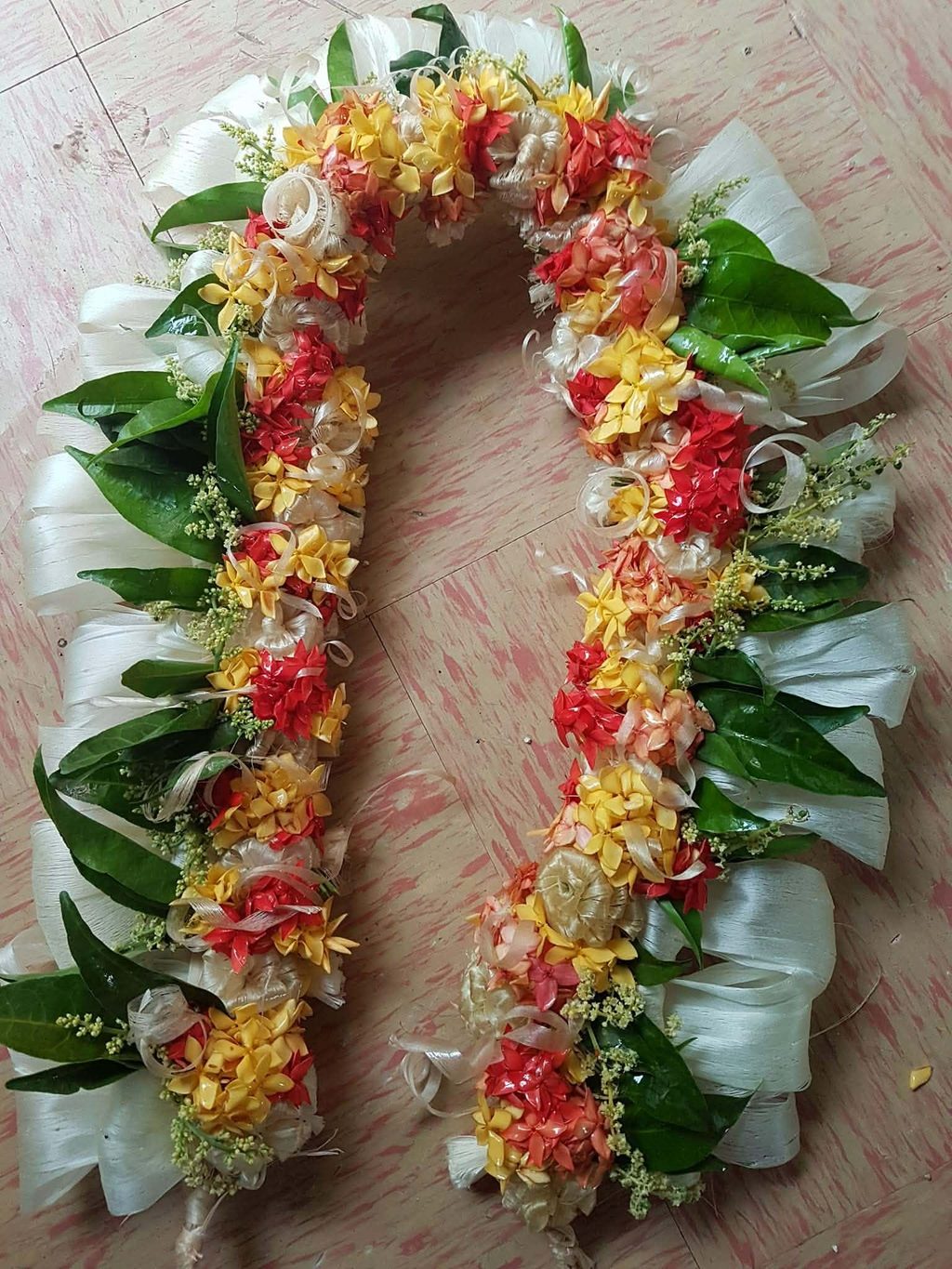
A traditional salusalu or garland that he created. Picture: SUPPLIED
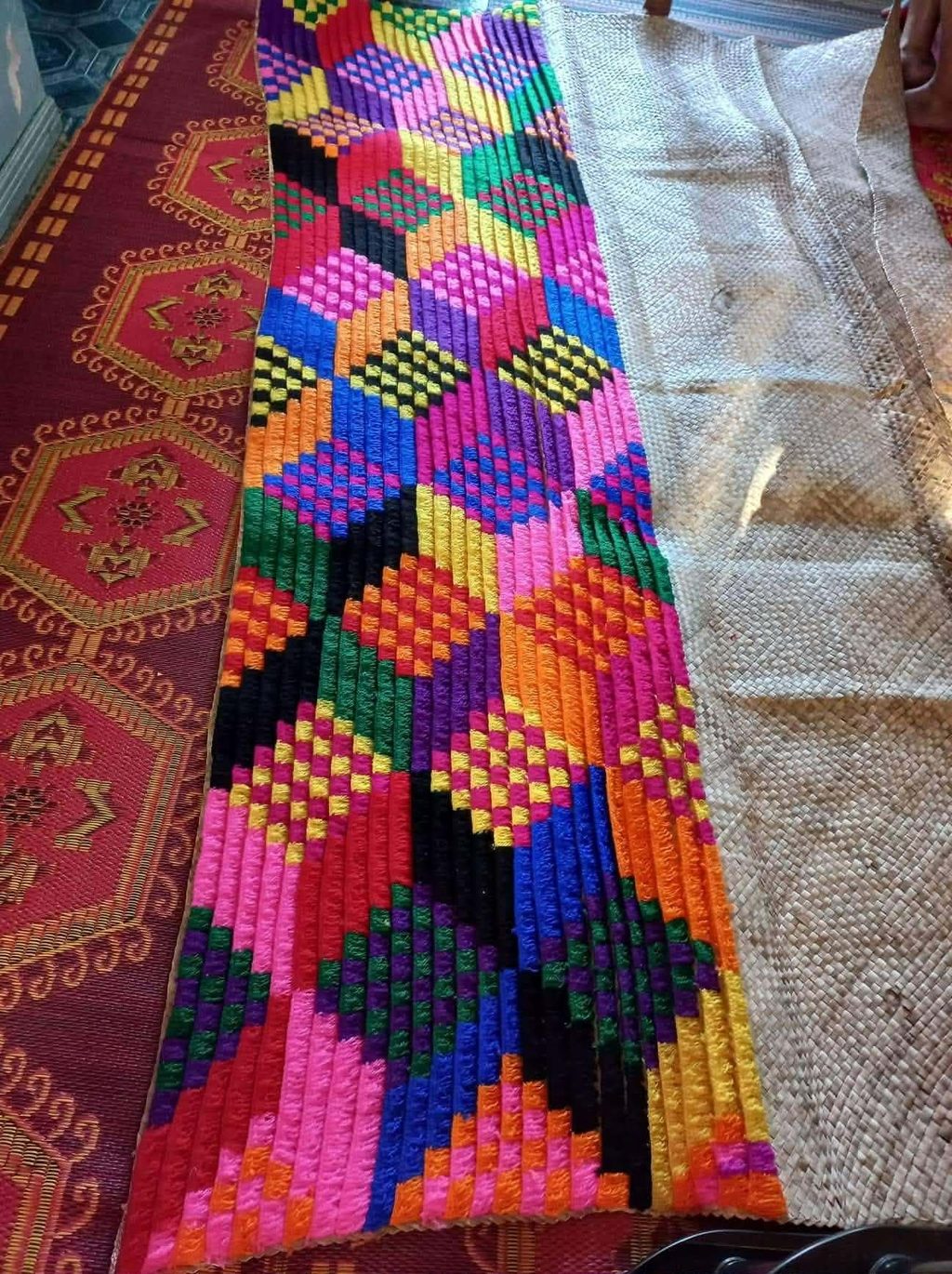
He uses intricate designs in his mats. Picture: SUPPLIED
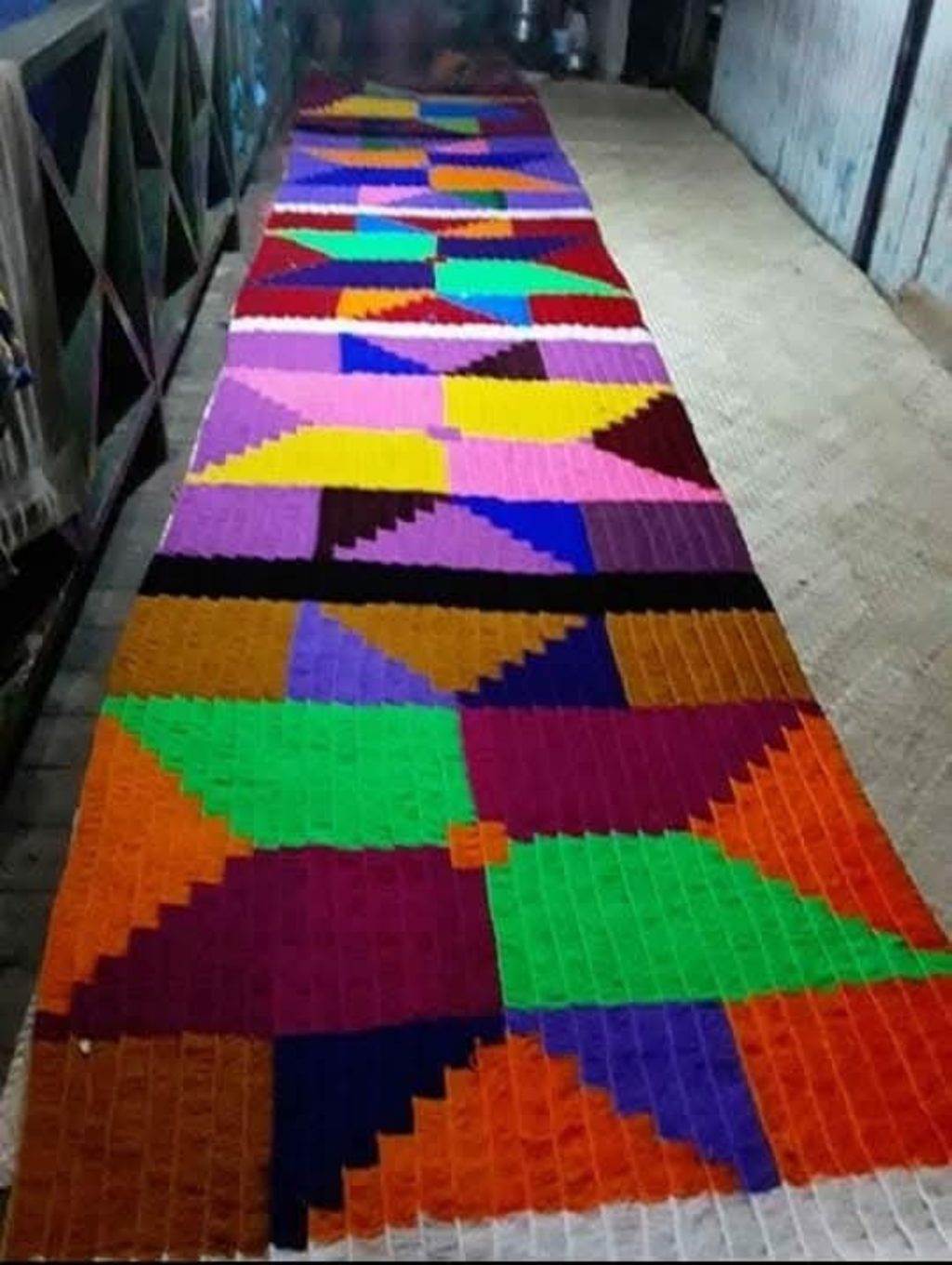
He always prioritises his time when working on a big mat. Picture: SUPPLIED
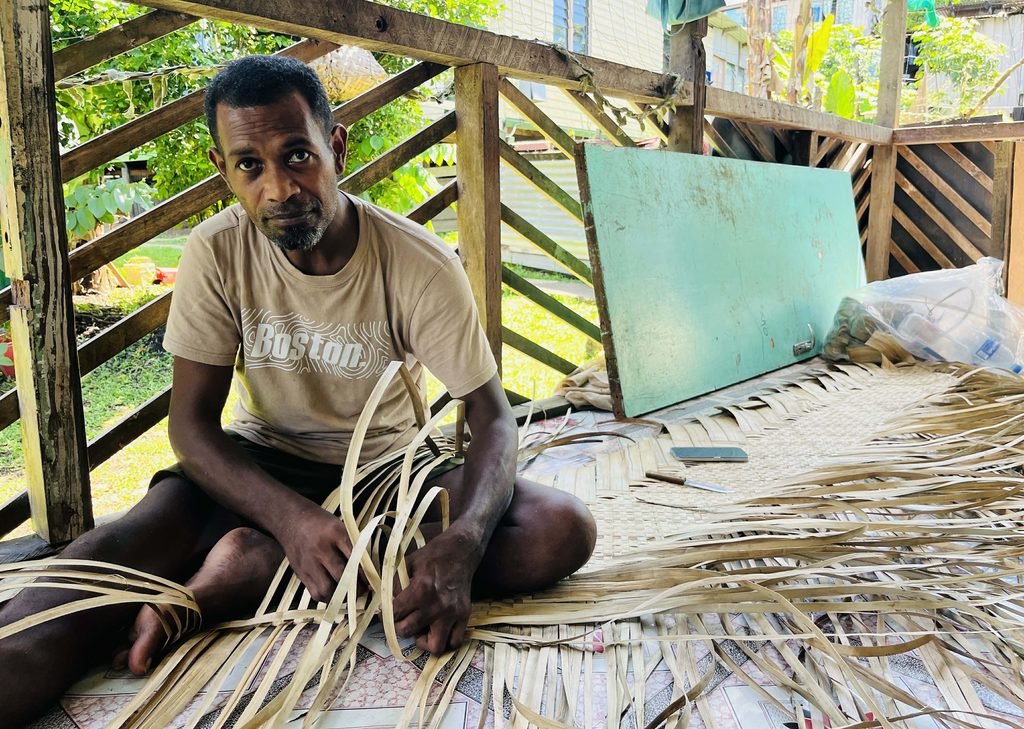
Kolinio Lesi weaves a mat in Raiwaqa. Picture: ANA MADIGIBULI
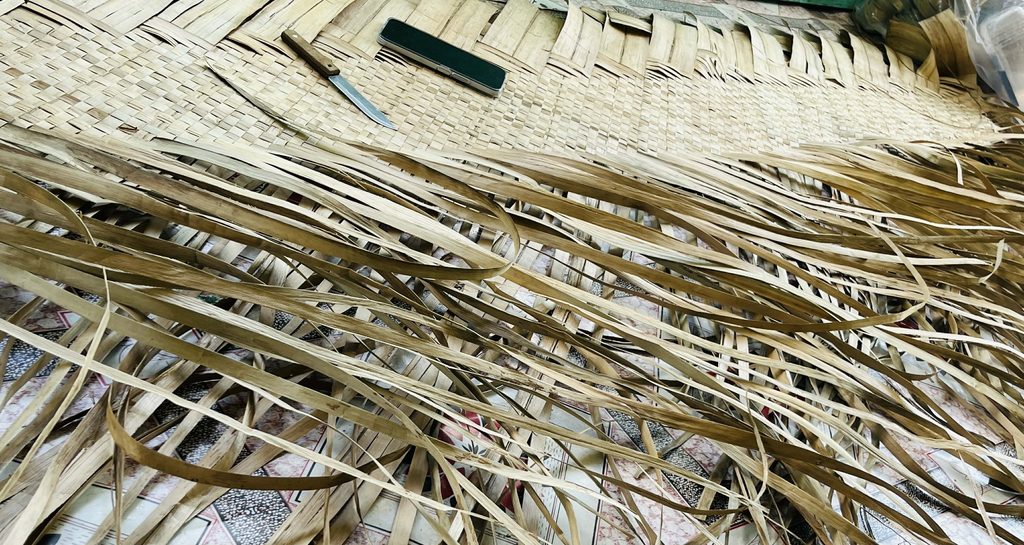
It only took Kolinio an hour to work on this small mat. Picture: ANA MADIGIBULI

