
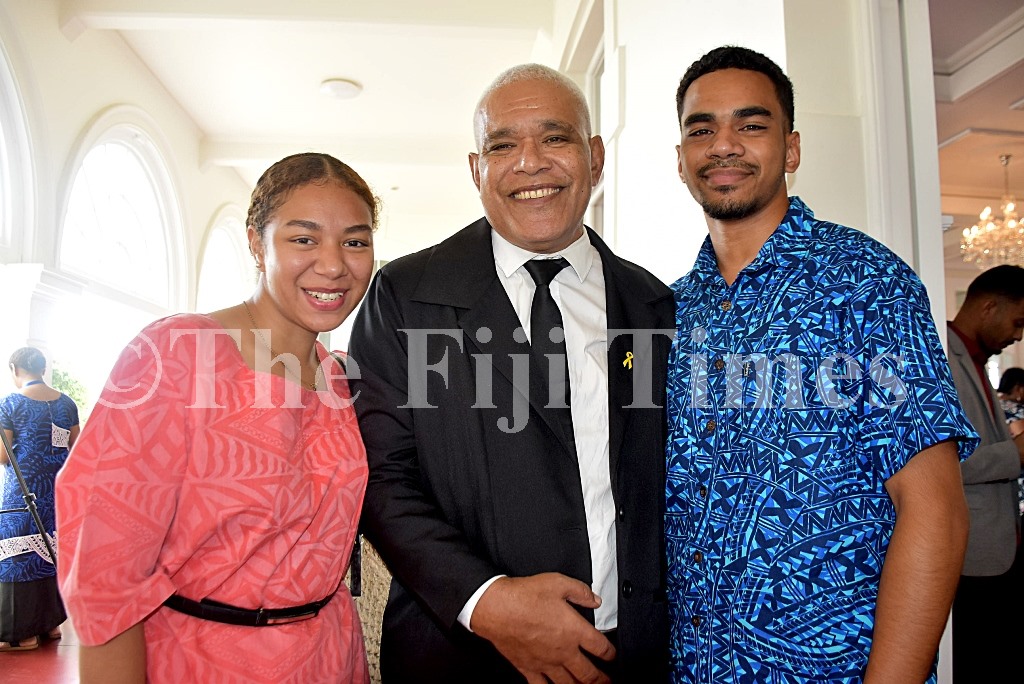
Former coup convict Josefa Nata told the Truth and Reconciliation Commission (TRC) that there are still serious aspects of Fiji’s political upheavals that remain untold and that he was reluctant to reveal more without mechanisms to verify the claims.
In his testimony before the commission, Nata said the absence of investigative powers had limited how much he was prepared to disclose.
“I had intended to say a bit more serious matters of what happened but without verification back up, I could be just giving you a tall yarn,” Nata said.
His remarks came as he called for stronger powers for the TRC, including the ability to compel witnesses to testify and investigate evidence independently.
Nata said he had considered not appearing before the commission but ultimately felt an obligation to explain his own role in Fiji’s troubled past.
“I have a few serious ones that almost made me to keep away,” he said.
“But I have always felt I owe the people of Fiji more still. I have explained my participation. I owe the nation that, more so to the people I love most and to my friends.”
Nata, who served 24 years in prison over his role in the 2000 coup-related mutiny, argued the commission lacked some of the key powers typically associated with truth and reconciliation bodies.
“My first misgiving is the absence of the subpoena power of the commission.
“A TRC should go the whole hog or not at all.”
He claimed that some of the individuals most central to Fiji’s political crises had not come forward voluntarily.
“The people who should really be fronting this commission are sitting happy out there, enjoying the fruits of their misadventures and have no intention of talking about their misdeeds unless they are compelled to.”
Nata said individuals who escaped imprisonment or are protected by constitutional immunity also have an obligation to assist the commission.
“Those that are covered by constitutional immunity should testify.
“They cannot have their cake and eat it too.”
Nata argued that the work of the TRC would remain incomplete without a testimony from former prime minister Voreqe Bainimarama and former attorney-general Aiyaz Sayed-Khaiyum.
“The work of the TRC is incomplete, however way you look it, without the participation of Bainimarama and Khaiyum.
“Their story will always be integral to finding solutions and charting the path forward.
“Perhaps we revisit the governing legislation to give the current TRC the necessary legal framework to fill the lacuna I mentioned above.
“In these matters you only strike once.”
Nata warned that without stronger legal powers and broader participation, the commission may fall short of delivering the full truth and reconciliation that many Fijians are seeking.

