
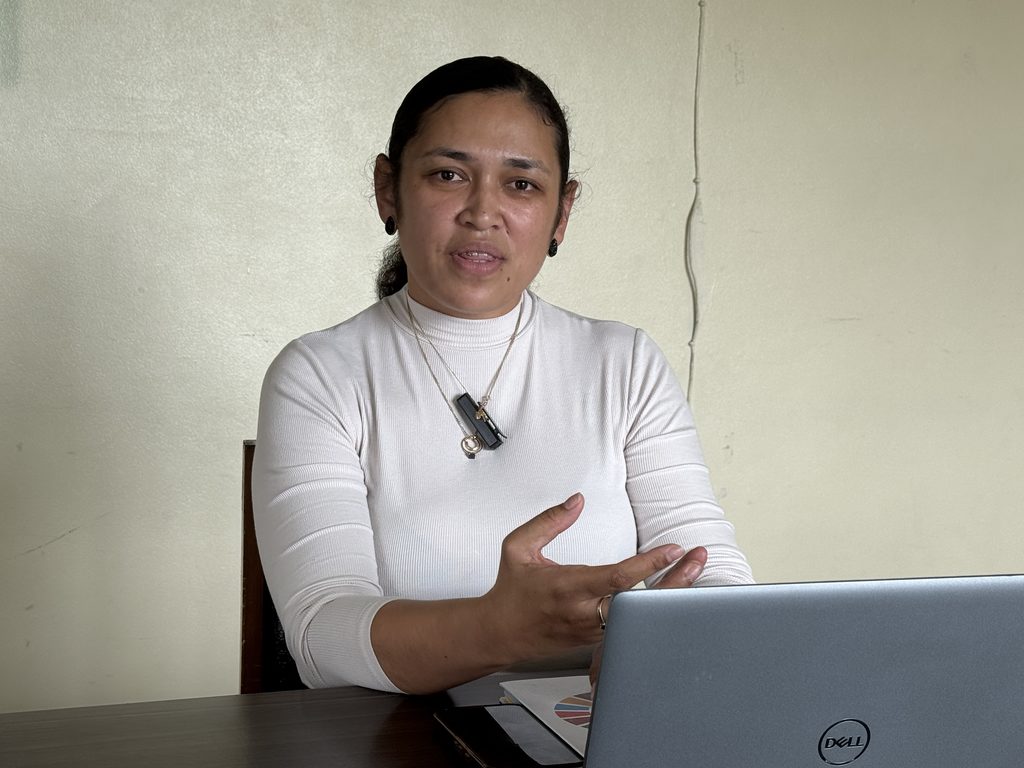
FOR years, Sera Osborne showed up. Her brother was confined to a wheelchair and needed a support person to help him get to work everyday. But for all her selflessness, there was a heaviness she battled alone.
The mood swings she couldn’t explain. The depression that crept in uninvited. The suicidal thoughts she had no name for, and no one to tell.
Until one day, after helping her brother get to work at the Spinal Injury Association, it was there, in a quiet conversation with a woman named Lela, that she experienced an awakening.
“She (Lela) was sharing how she acquired her disability,” Sera recalls. “And in the midst of us sharing, I kind of related to it because it was in those years that I was also experiencing mine.”
That conversation changed the course of her life. She felt confident enough to seek help at St. Giles Hospital, got her diagnosis, and joined the Fiji Psychiatric Survivors Association (PSA) as a regular member.
Within two years she was on the PSA board. Six months after that, she stepped into the organisation’s top role. Eight years on, Sera Osborne is PSA’s most powerful voice – a woman who understands from the inside exactly what she is fighting for.
Harder than the diagnosis
Sharing the story behind the birth of PSA, Ms Osborne explained it was born in 2004 from a prayer group inside St. Giles Psychiatric Hospital. People admitted there began gathering, talking about the challenges they faced – the abuse, exclusion, and loss of dignity that followed them out of the ward and into daily life.
Every last Thursday of the month, the association hosts a Talanoa session, a safe space where members come together to have tea, create art and simply talk. It was in one of those sessions Sera said she heard something she has never forgotten.
“One of our members said it is much harder to live with stigma that they face compared to the nature of the different diagnoses we have. That is something we need to think about now.”
Ms Osborne describes psychosocial disability as a hidden disability.
“You cannot see an unwell brain the way you can see a wheelchair. And because you cannot see it, people fill the gap with assumptions – that the person is dangerous, incapable, or mad.”
Those assumptions, she said, hardened into something worse: The belief that a person with a mental illness cannot make their own decisions, cannot hold a job, cannot be trusted to parent, to vote, or to belong.
“You are actually stopping them from having a proper recovery journey. You are taking away their legal capacity rights.”
Law vs life
Although Fiji has signed and ratified the UN Convention on the Rights of Persons with Disabilities and the country has a Disability Act, Ms Osbornesays a new Mental Health Act is pending.
The frameworks exist, but she says people with psychosocial disability remain the most marginalised group within the disability movement itself.
She highlights a contradiction embedded in the law itself: “The constitution bars people of ‘unsound mind’ from voting, while the Disability Act, which includes people with mental illness in its definition of disability, says they can. One law contradicts the other.”
PSA members who report abuse at police stations are sometimes not taken seriously – their complaints only acted on when a third-party steps in to validate them.
“People are turned away from social services by staff who don’t know that psychosocial disability falls under the Disability Act.”
She said she and her team have been working through it all – running CRPD rights training for police officers, advocating for policy change, and pushing for laws to align.
“The label is very heavy. It’s a burden.”
The travelling voice
Multiple calls are received everyday, says Ms Osborne. “Members need financial help – people who can’t find work because of stigma, who struggle with housing, who are breadwinners and carers at the same time, trying to hold their lives together. Some of them call us when they need someone to accompany them to the hospital.”
But the reach of what PSA is doing is growing. Recognised by the Pacific Disability Forum as the region’s leading psychosocial disability organisation, PSA has been invited to extend its work to Solomon Islands and Kiribati.
But for Sera, the work always comes back to something simple.
“It doesn’t mean that you help a person, that you dictate how they live their life or tell them how to do and what to do.
“At the end of the day, we should provide them with proper information, enough information for them to make decisions for themselves.”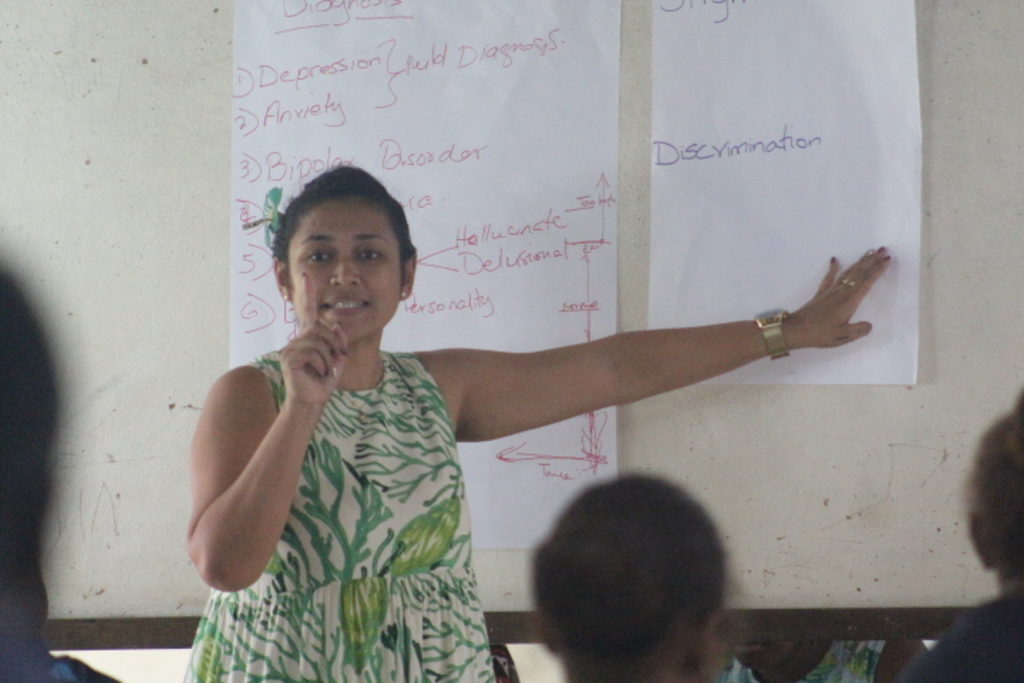
Sera Osborne at a workshop in Honiara, Solomon Islands.
Picture: SUNDAY ISLES/FACEBOOK
sr

