
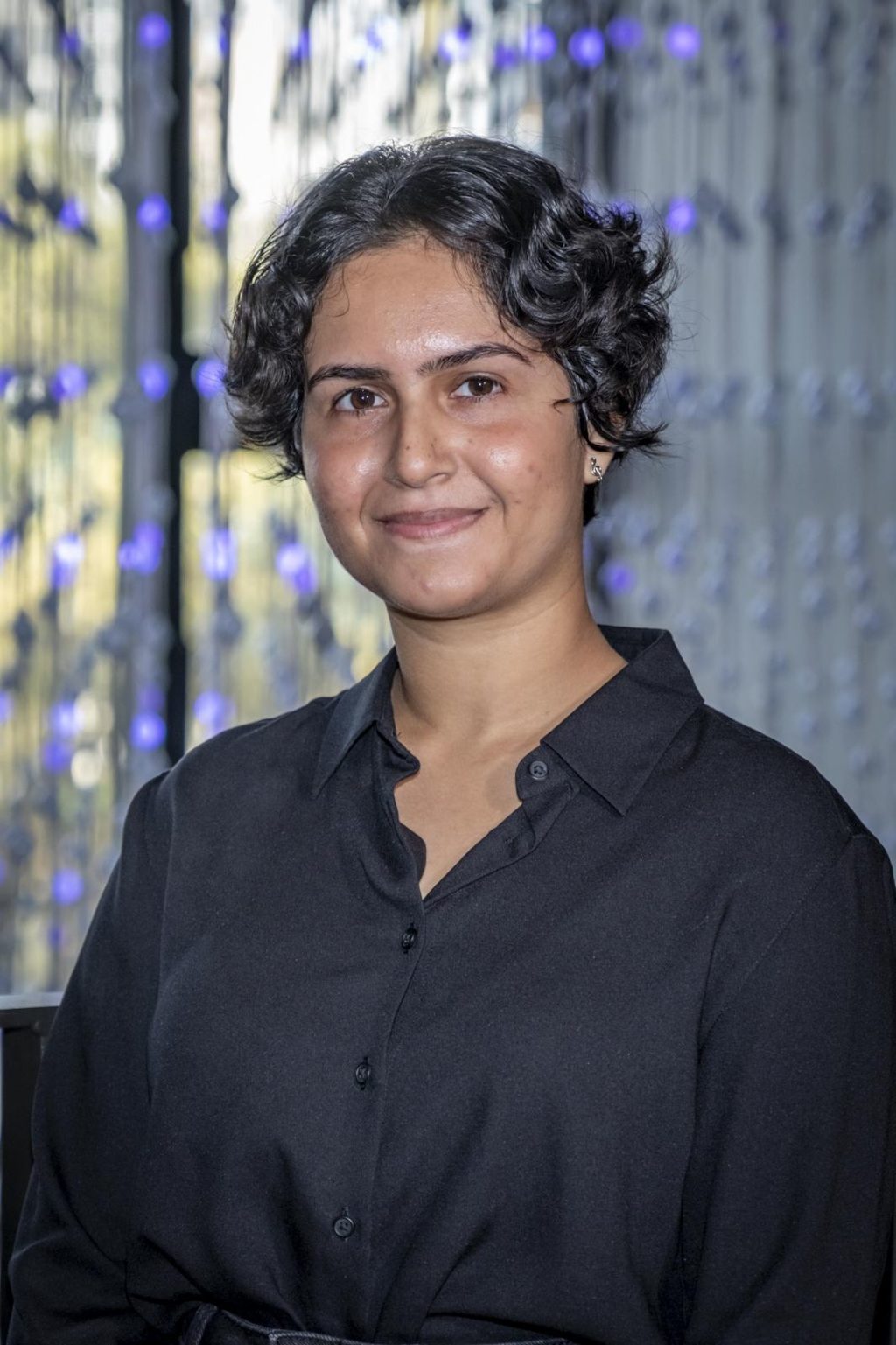
Every year when International Women’s Day comes around, timelines fill up with quotes about strong women, independent women, boss women. And honestly, I love it.
But as a final-year law student, Vice President of the Law Students’ Association at the University of the South Pacific, and now a participant in the 2026 Hague Debate, I have been thinking about what all of that actually looks like in real life.
There is a lot of talk about women. A lot of opinions about women. A lot of expectations for women.
But being a woman in law has shown me something deeper than slogans. In class, we study cases about discrimination, equality, constitutional protections and human rights.
We read about the barriers women have faced in education, employment, politics and leadership. It becomes very clear that women are not just contributors to society. We are lawmakers, advocates, negotiators and policy-shapers. We are in the footnotes of history, yes, but we are also in the headlines.
At the same time, there is this idea that the legal field is corrupt. That it is dirty. That it changes people. I have seen things that made me uncomfortable. I would be naive to pretend otherwise.
But one person’s misconduct does not define an entire profession. And it certainly does not define every woman who chooses to enter it.
We should be careful not to generalise so quickly, especially when it comes to women lawyers who are already trying to prove themselves in a demanding space.
Sometimes the criticism becomes very personal. Comments like, “It’s a big world for a tiny person.” Or, “Go look after your family.” Or, “Go cook.” As if pursuing law somehow cancels out womanhood.
As if ambition and intelligence are traits women must apologise for. It is strange how quickly society can reduce a woman’s dream to a joke. At the same time, law school has taught me something unexpected. Sometimes, women can be hard on other women.
We often focus on men discriminating against women, and that conversation is important. But we do not always talk about the quiet competition among women, the side-eyes, the comparisons, the “who does she think she is?” energy.
It is ironic that while we demand equality outside, we sometimes struggle to show unity inside. Law school is competitive enough without us turning it into a reality show.
Empowerment cannot just be about demanding respect from others. It also has to be about how we treat
each other when no one is watching.
Last year, I attended a Women in Law program at GPH. It was eye-opening. I learned that when there is an opportunity, you take it. You do not sit there doubting yourself until someone else takes your place. You try. You grow into it.
You figure it out along the way. I also learned something beautiful that day. There are men who genuinely shape and support women in law. There are male role models who open doors, mentor, encourage and advocate. We need more men like that.
I have also had the privilege of assisting students with disabilities during my time at university. There are women out there with all kinds of impairments, navigating lecture halls, assessments and life with challenges many of us will never fully understand.
But boy, are they strong. Their resilience is quiet but powerful. Watching them push through barriers that others do not even see has reshaped how I understand strength.
Strength is not always loud. Sometimes it is simply showing up again and again, refusing to give up. I was also told that before 2026, there had been no female Vice President in the Law Students’
Association. I remember thinking, “Oh. Well… okay then.”
It was not dramatic. Just a quiet realisation that sometimes you are stepping into a space where no one who looks like you has stood before, at least not in that role. But here is what I have learned. Being the first is not about being better. It is about being willing.
Taking part in the Hague Debate 2026 feels like an extension of that willingness. It reminds me that women belong in global conversations, in legal discourse, in rooms where policies are debated and decisions are made. Intelligence is not gendered.
Leadership is not gendered. Integrity is not gendered. To every young woman who feels underestimated, do not count yourself out. Do not let stereotypes shrink your vision. The legal world may be big, but so is your potential.
As a Christian, I hold on to Proverbs 31:25: “She is clothed with strength and dignity; she can laugh at the days to come.” I love that it says she can laugh. Not panic. Not retreat. Laugh. There is something powerful about a woman who knows who she is.
On this International Women’s Day, maybe the challenge is simple. Let us stop competing for one seat at the table and start pulling out more chairs. Let us mentor. Let us encourage. Let us defend each other when necessary.
Let us also acknowledge the men who support and uplift women, because real progress is not a battle between genders. It is patnership. As a future lawyer, I hope to stand in courtrooms advocating for justice.
But right now, as a student, I am learning that justice also begins in everyday interactions, in how we speak about each other, how we support each other, and how we respond when someone tells us to shrink.
The world does not need women who stay small to make others comfortable. It needs women who rise, and who make it normal for others to rise too.
n Catherine Mahima Singh a final-year law student, Vice President of the Law Students’ Association at the University of the South Pacific. She shares her message on International Women’s Day.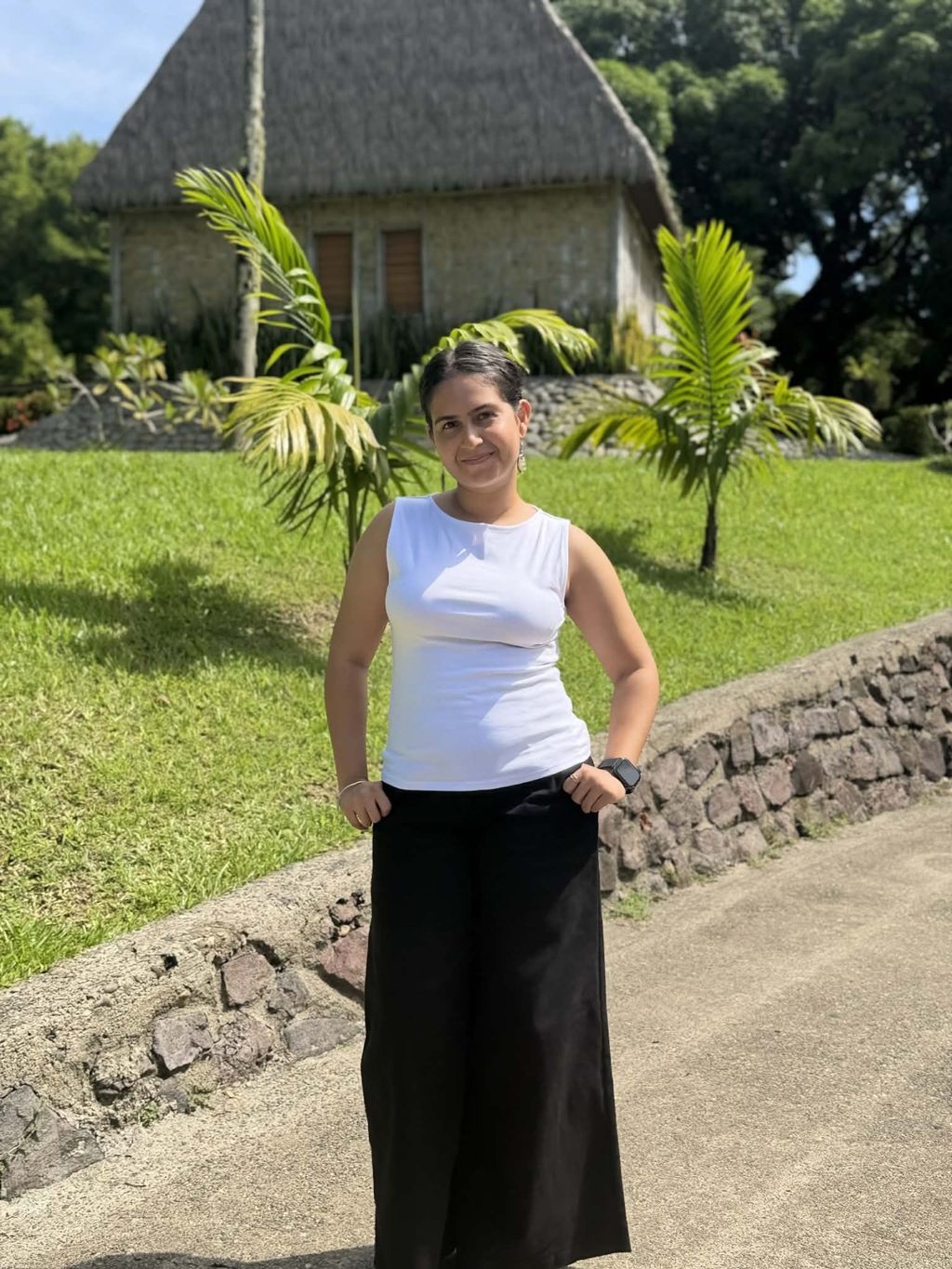
The writer says “I learned that when there is an opportunity, you take it.” Picture: SUPPLIED

