
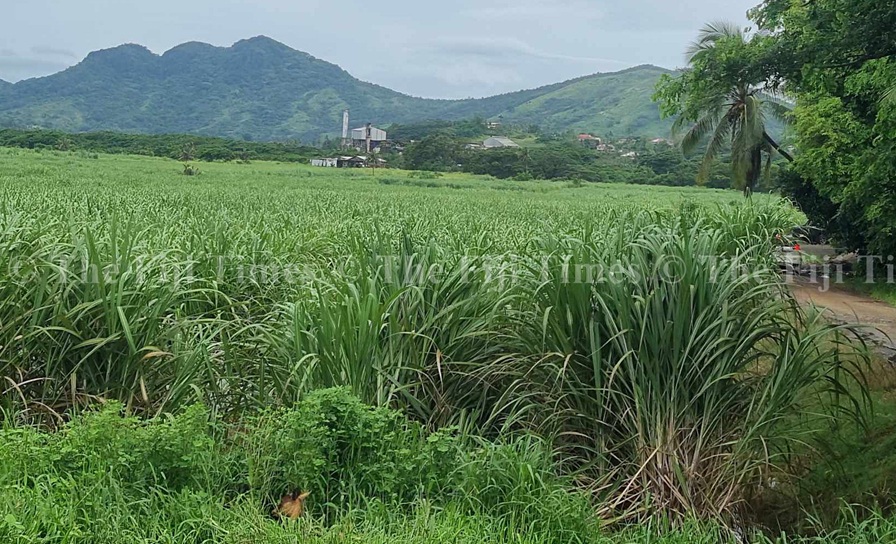
A study on the future of Fiji’s sugar industry released by the Fiji National University, supported by the Australian Centre for International Agricultural Research has revealed that the industry is dealing with an aging population.
“Overall, the sample of 900 farmers from the three main mill regions in Fiji shows that sugarcane farmers constitute an aging population which is currently farming on relatively small areas of land, engaging in low levels of income and agricultural diversification,” the study said.
The research also identified an uninterested younger generation to continue the family business.
“Low prospects of generational change in the industry have already been documented as being a factor affecting the sustainability of the industry, as the younger generation has little incentive to work on sugarcane farms and the industry has struggled with shortages of labour, irrespective of production falling over 50 per cent since 1999.
“This is a trend that is also observed more generally in the agricultural sector worldwide, for which intergenerational knowledge exchange has been identified as a key element needed for agricultural systems to be able to better cope with current and future social and environmental challenges.”
The study, which sampled 7.5 per cent (900) of Fiji’s total sugar cane farmer population, used a stratified disproportional random sampling technique, by surveying 300 farmers from each of the three primary sugarcane mill regions in Fiji namely Labasa, Lautoka, and Rarawai.

