
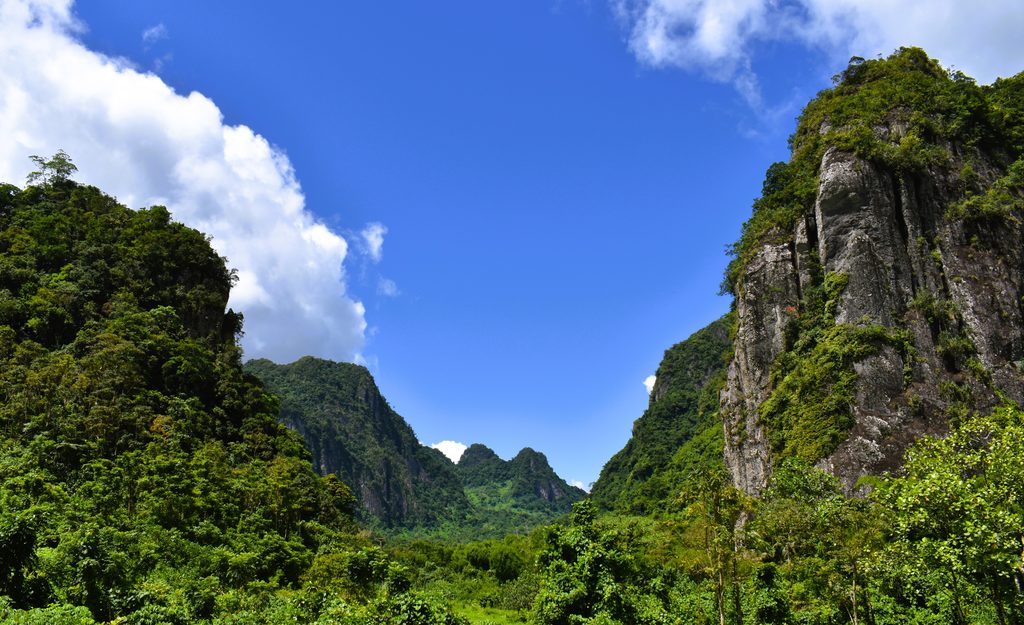
The thirst for traditional knowledge and the pursuit of indigenous wisdom are values that inspired and drive Master Kalisito Vunidilo in his efforts to preserve and revitalise the iTaukei way of life.
He hails from the great mountainous province of Namosi and belongs to the sauturaga or ‘kingmaker’ clan of the Turaga na Vunivalu na Tui Namosi, the paramount chief of the province.
Master Kalisito, or Kali as he is affectionately known, is a man who truly “knows his stuff.”
His deep passion for education has shaped his vibrant career, spanning roles as an educator in New Zealand, a businessman in Australia, and now as an indigenous scholar.
Mr Vunidilo is married to the well-known Fijian archaeologist and academic, Dr Tarisi Vunidilo and they have two children, a son – Leo and daughter Merewairita.
While Dr. Tarisi continues her teaching career as an assistant professor of indigenous peoples and pacific studies at the California State University, Mr Vunidilo is now ‘semi-retired’ in Namosi spearheading groundwork for their cultural and nature preservation initiatives.
“I had engaged a while back in a 15-month research tour around Fiji and Rotuma focusing on provincial history, archaeology, and natural environments.”
“The number of people who flocked in to listen during the consultations in each of the provinces was indescribable, yet it made sense to me because there seems to be very little effort to promote our ancient indigenous way of life,” Mr Vunidilo said.
During that fact-finding and research tour, the renowned Professor Steven Ratuva was paying close attention to the developments and as a result, reached out to Mr Vunidilo and advised him to start his PhD studies.
“I began pursuing my doctorate in 2022 and was in the country last June when I received government approval to conduct my research in the three provinces of Serua, Namosi, and Kadavu. The heart of my research focuses on uncovering and exploring the unique relationship shared among these provinces.”
“I have been collecting data from the National Archives as well as from traditional sources and next month I will head down to Kadavu for three weeks to conduct further studies. By March this year I will start writing my paper,” Mr Vunidilo explained.
He expects to complete his thesis by June next year and is deeply grateful to his wife, Dr. Tarisi, who shares his passion for learning and has always been his greatest supporter and source of inspiration.
Mr Vunidilo shared that, following a request from the Namosi Provincial Council and with the blessing of the Tui Namosi, he had accepted the honour of serving as chairperson of the Namosi Provincial Think Tank—a pioneering initiative in the country.
“What we are doing for the vanua today is not driven by our scholarly backgrounds. We do it out of passion and a desire to see the vanua and the iTaukei people not only thrive but also gain a deeper appreciation for their heritage.”
“Dr. Tarisi and I have given ourselves to be of use to the vanua and we remain dedicated to this life of service. I am grateful as well for being kept busy so that I remain engrossed in useful work,” Mr Vunidilo said.
Mr Vunidilo highlighted that because of his in-depth research, he has gained an even better understanding of who he was.
“I began to ask myself some deep pertinent questions like where I came from, how my clan evolved to become the ‘kingmakers’ of the Tui Namosi, where did the people of Nabukebuke come from?”
Mr Vunidilo shared an example of his findings on the history of his people, revealing that before settling in Namosi, the people of Nabukebuke had initially established themselves in Wainimala at a place called Delainakorobalavu after descending from the Nakauvadra mountains.
It was at this ancient ‘yavu tu’ that the line of the Tui Nabukebuke who later became known as the Tui Namosi began.
Mr Vunidilo also explained that before the Yavusa Nabukebuke arrived, Namosi was already inhabited by six other yavusa, including Nasaunokonoko, Soroiwaca, Naleya, Nakurukuruvakatini, Tabaivunaqumu and Nakorowaiwai.
“Thankfully through Dr. Tarisi’s platforms on social media, we were able to share these facts and create much greater awareness and spur conversation regarding our history as a people.”
“The iTaukei people today must understand the origins of their clans, villages, and tribes, along with the distinctive cultural totems they associate with.
“Every iTaukei has unique totems they identify with, which can include trees, flowers, fish, and birds. Here in Namosi, we likely stand out from the rest of Fiji because we also identify ourselves with a specific type of dalo (taro) or uvi (yam),” Mr. Vunidilo emphasised.
“Our link with the natural world is deeply spiritual and personal. We are one.”
Mr Vunidilo believes that this deep connection between man and nature, a cornerstone of iTaukei culture, is also rooted in Biblical teachings.
“After God created the world, he made man, and he gave him stewardship over all living things to care for and protect. However, we must remember that it is still God’s by ownership, each of us is here for a unique purpose but after that, we will fade away.”
Mr Vundilo believes it is vital that iTaukei children are made aware of their unique heritage and ancestry from a young age as it will ensure that they become well aware of who they are, the connections they share, and their special relationship with the natural world of their vanua.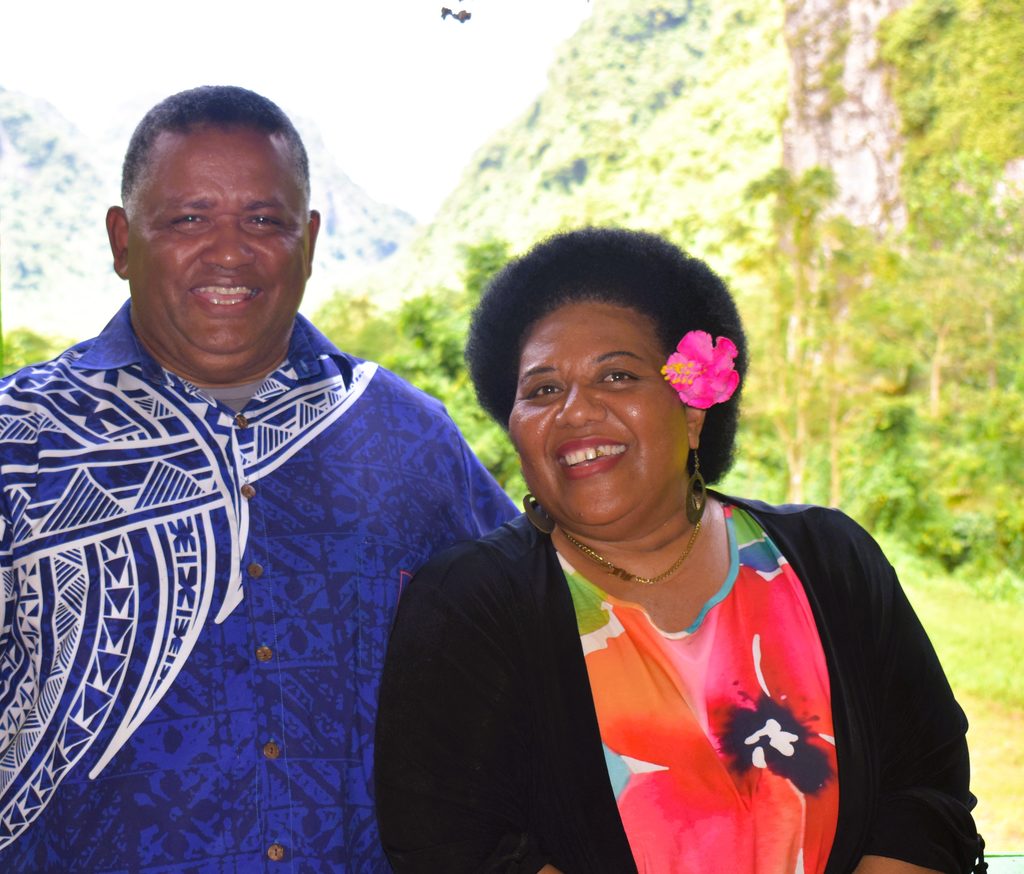
Master Kali and Dr Tarisi Vunidilo. Picture: ALIFERETI SAKIASI
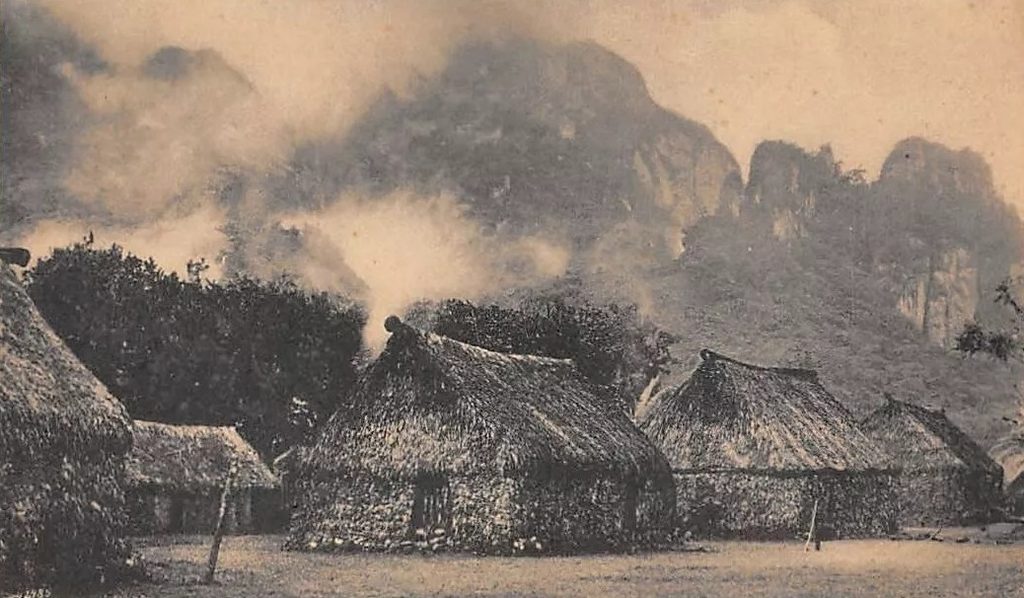
‘Bure Vakaviti’. An undated postcard photo of a village in Namosi. Picture: FLICKR/ Kalisito Vunidilo
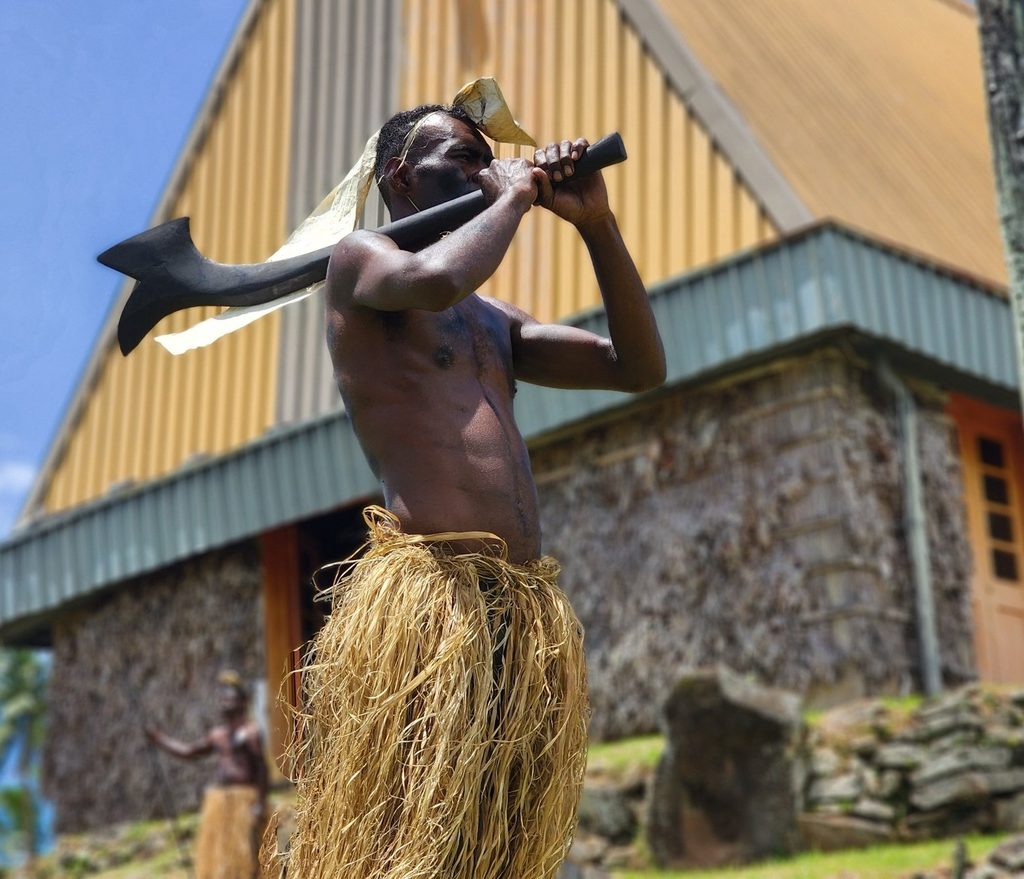
A warrior stands guard outside the ‘Vatanitawake’ in Bau during the installation of Ratu Epenisa as Vunivalu in 2023. Picture: X/ Ministry of Home Affairs

