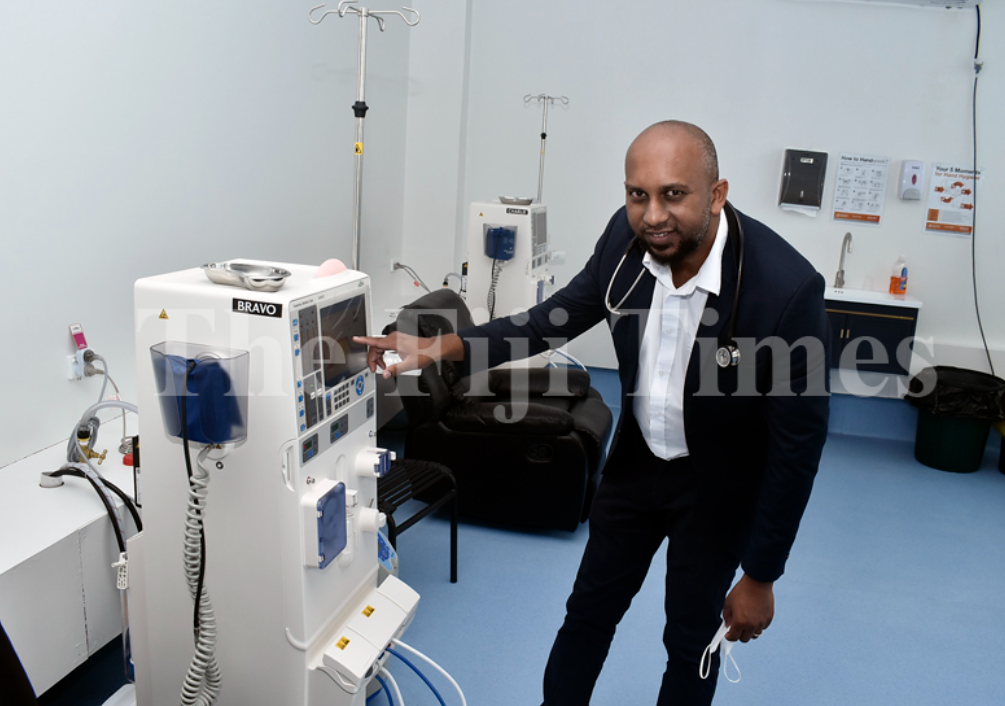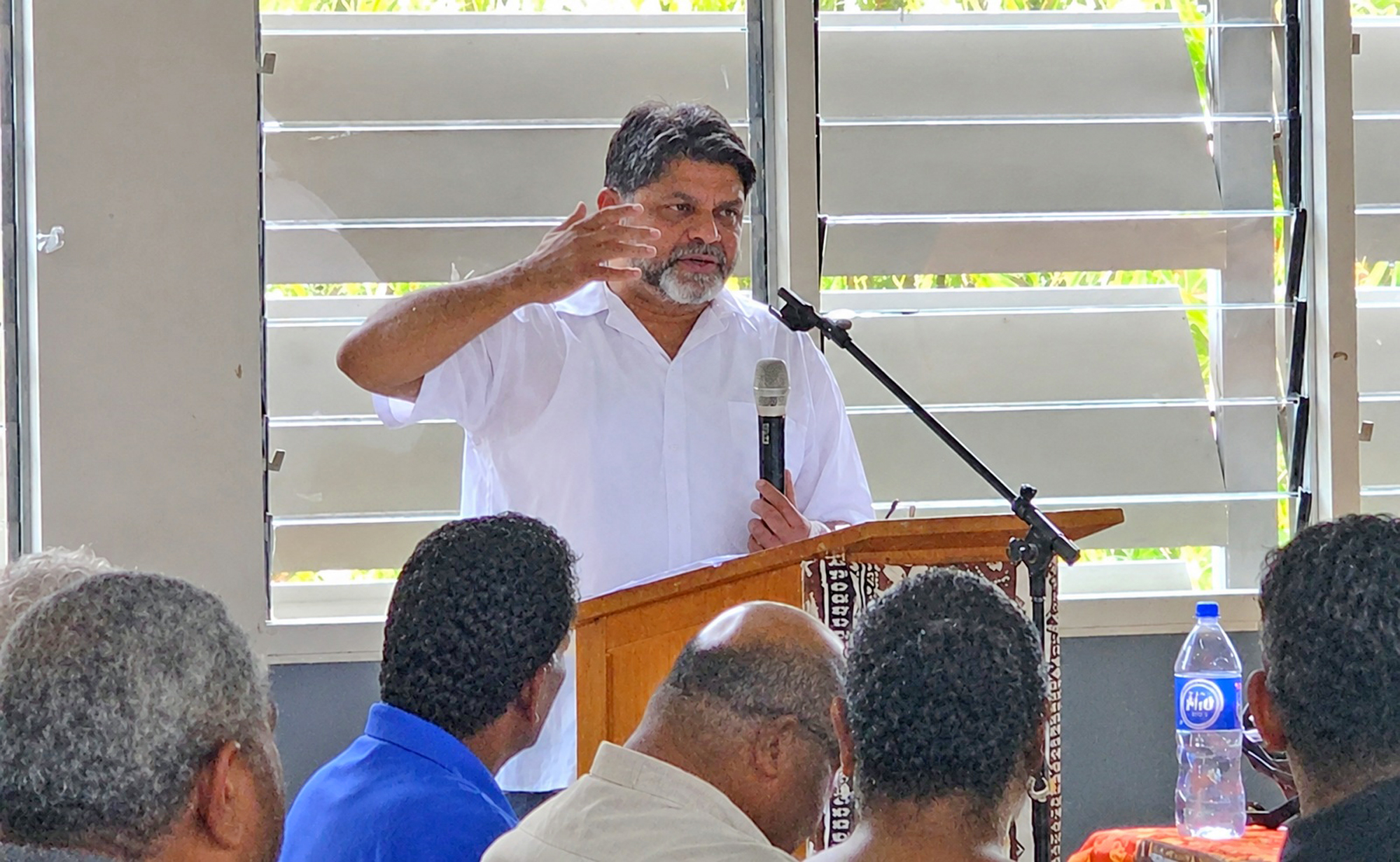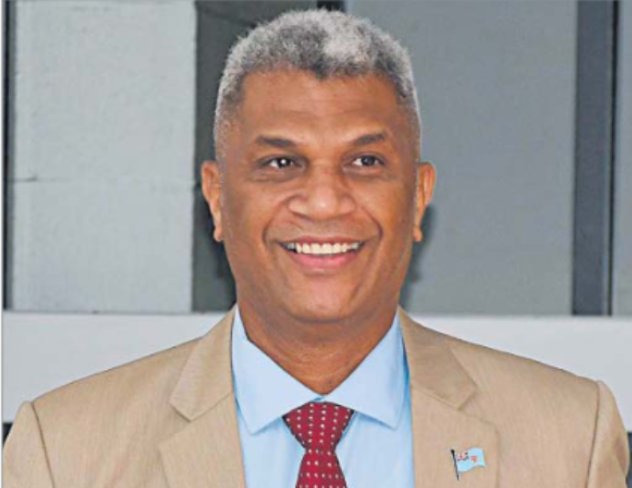
EDUCATION reform is often spoken about in promises and policy papers, but in Parliament last week, it arrived in the form of a new law that will redefine classrooms, teaching standards and student welfare for generations.
The Education Bill 2025, described by Education Minister Aseri Radrodro as the biggest overhaul of Fiji’s education laws since 1966, will modernise the country’s entire education system, from early childhood learning to higher education.
Presenting the Bill in Parliament, Mr Radrodro said the legislation was designed to improve “access, quality and equity for all learners”.
The legislation expands the old 33-section Education Act into a massive framework containing 175 clauses covering every aspect of modern education including counselling services, teacher registration, school governance, compulsory attendance and protection for teachers.
A law shaped by consultations
One of the Government’s strongest arguments for the Bill is the breadth of consultation behind it.
Mr Radrodro said officials from the Ministry of Education and the Parliamentary Standing Committee for Justice, Law and Human Rights travelled across Fiji gathering public submissions and concerns.
The Bill has largely won support from both sides of Parliament, although Opposition MPs argued some provisions still needed refinement.
Opposition MP Jone Usamate praised the overall direction of the reforms and commended ministry staff and committee members for their work.
“The usefulness of the Bill is not in question,” Mr Usamate said.
“Most of the things there, virtually 100 per cent of it is good.”
Strengthening the right to education
At the heart of the Bill is a stronger legal recognition of education as a Constitutional right.
Part Two of the legislation formally guarantees access to early childhood, primary, secondary and higher education.
The Bill also maintains free primary education and states that secondary and higher education should be provided free where the State has sufficient resources.
Importantly, the legislation requires Government to justify any claim that resources are unavailable.
“For the avoidance of doubt, an education is provided free of charge to a student if the student is not required to pay a tuition fee,” the Bill states.
The legislation also introduces new provisions for mature students aged 19 and above who may have missed out on completing their education earlier in life.
Under the proposal, the ministry can establish dedicated schools or specialised programs for adult learners, ensuring they are educated separately from children.
Education advocates say the move reflects growing recognition that learning should not end with age or circumstance.
Mr Radrodro described the Bill as a commitment to “equity and lifelong learning for all Fijians”.
Tougher rules on attendance
The proposed law also tightens compulsory education requirements.
Parents who fail to enrol their children in school — or ensure regular attendance — could face court orders and penalties.
Under the Bill, the Permanent Secretary for Education would first investigate non-attendance cases and issue directives to parents. Continued non-compliance could then result in a compulsory education order issued through the courts.
Those who breach the order could face fines or imprisonment.
Supporters say the provisions are aimed at reducing absenteeism and ensuring children remain connected to education, particularly in vulnerable communities.
The Bill also requires schools to report cases of non-compliance directly to the ministry.
Counselling and safer schools
Another major shift is the legal requirement for counselling services in schools.
The legislation states that schools must employ or engage qualified counsellors, while the ministry would step in where schools lack resources.
Mr Radrodro said the reforms recognised that schools must provide more than academic instruction.
“The Education Bill requires counselling services in schools, promotes safe learning environments and aligns with constitutional protections for children,” he said.
“These measures ensure that our schools are not only places of learning but also places of care and support.”
The Bill also introduces stronger legal protections for teachers and students.
Anyone found insulting or harassing a teacher could face fines of up to $5000 or imprisonment for up to one year. The same penalties would apply to anyone assaulting a teacher or student or maliciously disrupting school programs.
The tougher penalties come amid growing concerns about violence, intimidation and behavioural problems affecting schools.
Transparency and accountability
The reforms extend beyond students and teachers to the way schools themselves are managed.
The Bill introduces stricter rules on school governance, financial management, audits and reporting requirements.
Mr Radrodro said the measures would improve transparency and restore public confidence in the education system.
“This will build greater public confidence in how schools are managed and funded,” he said.
The legislation also establishes major new institutions, including an Education Advisory Council and a National Curriculum and Assessment Authority, aimed at improving curriculum standards, research and accountability.
In addition, the Fiji Teachers Registration Authority would be strengthened to ensure teachers meet professional and ethical standards.
“This is essential for improving learning outcomes across the country.”
Levies and fundraising
Despite broad support, one issue continued to spark concern — fundraising and school levies.
Opposition MP Alvick Maharaj warned that allowing schools to raise funds for infrastructure, maintenance and activities could place additional pressure on struggling families.
“Education was free in this country all this while,” Mr Maharaj said.
“Bringing levies is not something that we would have actually wanted.”
The Bill states schools may conduct fundraising for infrastructure, books, equipment and extracurricular activities, but it also explicitly prohibits schools from forcing or coercing parents, teachers or students into contributing.
Still, critics fear some parents may feel indirect pressure to participate.
Looking ahead
For Government, the Bill represents a long-term investment in Fiji’s future.
Mr Radrodro told Parliament the reforms aligned Fiji with international commitments such as the United Nations Sustainable Development Goal Four on quality education.
“The Education Bill 2025 is a critical necessity for the operational function of the Ministry of Education,” he said.
“This comprehensive legislation strengthens our educational institutions, expands our access and elevates our standards.”
Now passed by Parliament, the Education Bill 2025 will not simply replace outdated legislation.
It is set to redefine what education means in Fiji — who can access it, how it is delivered, and how the nation protects the students and teachers at the centre of it.