
Fiji was removed from the European Union’s tax blacklist when the FijiFirst government failed to implement recommended tax reforms following a 2017 EU Code of Conduct audit.
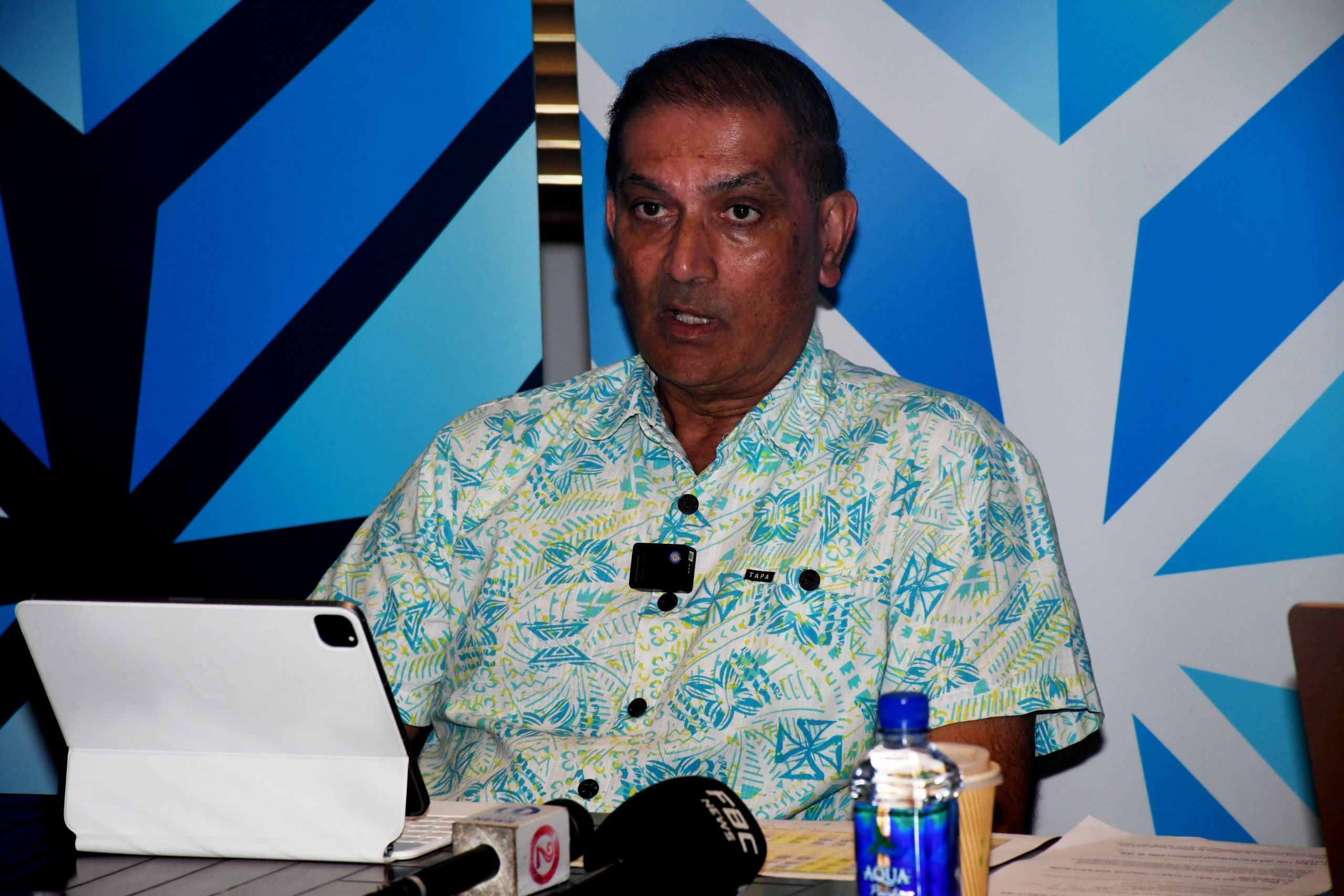
FRCS chief executive officer Udit Singh confirmed that the EU had given Fiji 12 months to address concerns related to tax transparency, fair taxation and harmful tax practices, including compliance with Base Erosion and Profit Shifting (BEPS) standards.
Fiji, he said, did not respond within the one year deadline, resulting in its blacklisting in 2019.
“At the time it appears there wasn’t any appetite to work through these reforms and in 2019, Fiji was blacklisted,” he said.
He said concerns raised by the EU related to tax transparency, fair taxation and harmful tax practices affecting companies operating in or considering investment in Fiji.
These included compliance with Base Erosion and Profit Shifting (BEPS) standards.
“Fiji did not respond to the request from the EU to make those changes.”
“We were therefore blacklisted.”
He added that over the past three to four years, the FRCS, in collaboration with the Ministries of Finance and Trade and other stakeholders, introduced legislative and policy reforms.
Fiji’s removal from the EU blacklist now reflects these changes and its alignment with international tax standards, strengthening investor confidence.

