
FIJI can consistently achieve economic growth greater than 6 per cent and sustain it over a long period of time.
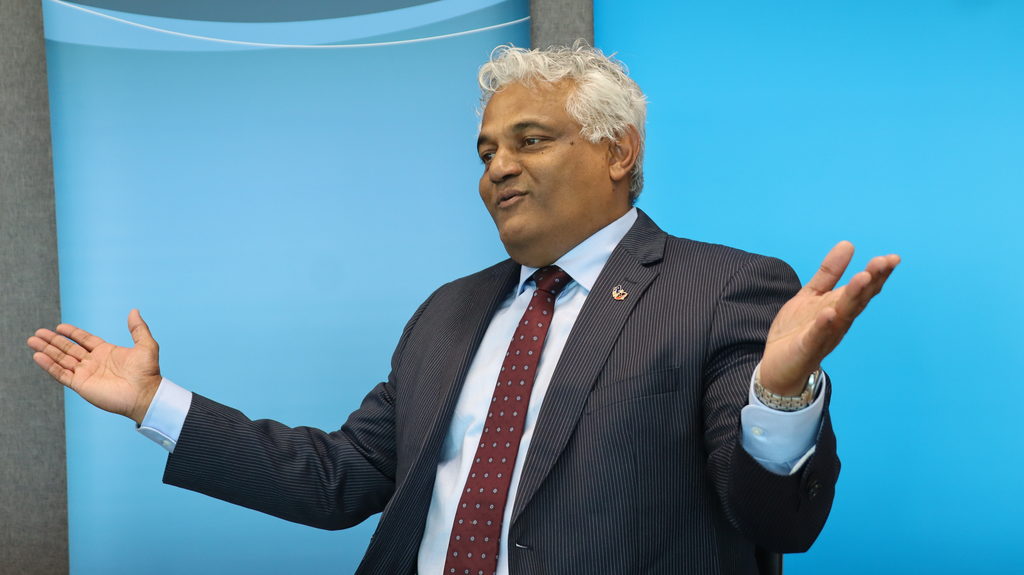
While Fiji has options to achieve that, ANZ senior Pacific economist Kishti Sen said international trade in goods held the key to unlocking the country’s economic potential.
“Go big on agriculture,” Mr Sen said.
“I say unleash the true potential of the rural economy. By doing so, economic growth will be shared and more evenly distributed,” he told this newspaper.
Mr Sen said agriculture had large indirect benefits.
He said higher farm income benefitted household service sectors like retail trade, telecommunications, construction, recreation, accommodation, and food services and transport.
“Fiji can produce crops at scale and find markets overseas to grow farmers’ income and spending power.
“The facts are that the rural economy comprises the bulk of private consumption expenditure.
“A large part of the population is in the rural economy, which hasn’t really got going.
“Fiji has not invested in commodities that fetch high prices in global markets but has put all its eggs in the sugar basket.
“If the farmer economy is doing well, so too will the formal economy.”
Mr Sen also advised diversifying into commodities with strong global demand.
“Invest in support infrastructure, both hard and soft, such as refrigeration facilities, long-term land leases, reliable water, electricity and labour supply, better roads, ports and jetties, planting material, high yield and disease resistant seedlings, training, fertiliser and pesticides, and transport subsidy to support large-scale agricultural production and exports.”
He said using the tools, techniques and policy levers of the developed world would not work for Fiji, and so too monetary policies on its own could not unlock household spending power.
“Increased agriculture export volumes and potentially higher prices can provide access to more income, spending power and sustain businesses as well as jobs.
“It will allow Fiji to reduce its dependence on tourism and remittances as the main sources of growth and have a more resilient and broadly based economy in the future. Above all, it will be a shared prosperity,” Mr Sen said.
Meanwhile, he said all things considered, they believed GDP growth of 3 per cent was the baseline projection for 2026 with the risk tilted on the upside.
He added if some of the larger projects in the residential, commercial and industrial space started early in the year, Fiji would do better than 3 per cent.

