
IN today’s interconnected global economy, events occurring thousands of kilometres away can quickly influence the cost of everyday goods and services in Fiji.
Recent geopolitical tensions in the Middle East have once again highlighted how international conflicts can affect small island economies that rely heavily on imports. While the situation continues to evolve, consumers in Fiji have begun to hear discussions about rising oil prices, shipping disruptions and potential cost-of-living pressures. Understanding the connection between these global developments and Fiji’s marketplace is important so households can prepare early and manage their budgets wisely.
The ripple effect
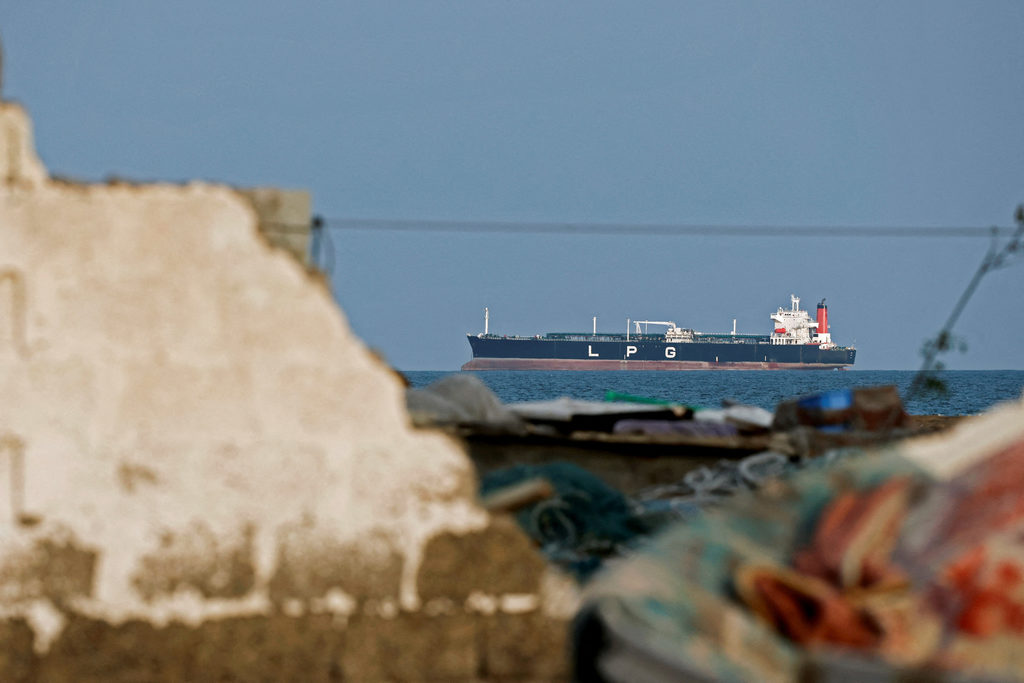
The current geopolitical tensions in the Middle East have raised global concerns about the security of the Strait of Hormuz, a narrow but highly strategic waterway located between Iran and Oman. This passage is considered one of the world’s most important oil transit routes, with roughly one-fifth of global oil supplies passing through it each day.
Any disruption to this route, whether through military conflict, shipping restrictions or security threats, can quickly trigger volatility in global oil markets.
Even the possibility of disruption can cause oil prices to rise as global markets react to uncertainty.
As tensions escalate, shipping companies, insurers and global energy markets closely monitor developments in the region.
When risk increases, so do transportation costs, insurance premiums and ultimately the price of fuel worldwide.
Fiji as a “price taker”
For Fiji, developments in the global oil market are particularly significant.
The country imports all of its fuel requirements, meaning local fuel prices are heavily influenced by international benchmarks.
In economic terms, Fiji is a “price taker.”
This means that the country does not influence global fuel prices but must instead adjust to price changes determined by international markets.
When global oil prices increase, the cost of importing fuel into Fiji may also rise.
These changes may eventually be reflected in local fuel prices following periodic reviews.
As fuel is a fundamental input across the economy, these global shifts can influence the cost of transportation, electricity generation, shipping and many consumer goods.
Where consumers will feel it
If global tensions continue to put pressure on international fuel markets, the effects on costs will likely be both direct and indirect.
However, these impacts may not be immediate and their severity will depend on evolving market conditions.
i. Direct costs
The most immediate impact is usually seen in fuel prices at the pump. Petrol and diesel prices are closely linked to international oil prices, and increases in global markets can translate into higher local fuel costs. Households that rely on private vehicles for daily commuting may feel the effects through increased transportation expenses.
Another direct cost that may be affected is that of liquefied petroleum gas (LPG), commonly used by households for cooking.
Since LPG is also derived from petroleum products, increases in global fuel prices can lead to higher costs for cooking gas.
For many households, LPG is an essential expense, meaning any increase can have a noticeable impact on household budgets.
ii. Indirect or ‘invisible’ costs
Beyond fuel and LPG, there are several indirect costs that consumers may experience over time.
• Food Security
Fiji imports a significant portion of its food supply, including staple items and processed goods. When global fuel prices rise, the cost of shipping and freight also increases. These higher logistics costs may eventually be reflected in the retail prices of imported food products. Even locally produced food may be affected, as the cost of transporting produce from farms to markets also rises with fuel prices.
• Electricity costs
Although Fiji has made progress in expanding renewable energy sources, diesel-powered electricity generation still plays a role in the national energy mix.
If fuel prices increase significantly, the upward pressure on electricity generation costs could eventually flow through to consumer electricity bills.
• Public transport
Public transportation services such as buses and taxis also rely heavily on fuel. If fuel costs increase substantially, operators may experience financial pressure that could eventually lead to adjustments in fares.
For consumers who rely on public transport for work, school, and daily activities, such changes can affect household spending.
The consumer’s role: Preparation, not panic
During times of global uncertainty, it is important that consumers remain calm, informed and prepared. The focus should be on preparation rather than panic.
• Supply stability
Consumers are advised to remain calm and make purchasing decisions responsibly as global developments continue to evolve. Panic buying or unnecessary stockpiling can place pressure on supply chains and create avoidable shortages in the market. Maintaining normal purchasing patterns helps ensure that goods remain accessible to all consumers.
• Smart household budgeting
One of the most effective ways to cushion the impact of potential cost increases is through careful household budgeting. Consumers are encouraged to review their spending patterns and prioritise essential needs over non-essential wants. Monitoring expenses related to fuel, electricity, food and other daily necessities can help households identify areas where spending can be reduced. Simple energy-saving practices at home can also help lower utility bills. Turning off unused appliances, using energy-efficient lighting, and managing air conditioning use can contribute to long-term savings.
• The “buy local” pivot
Supporting locally produced goods can also play an important role in managing household costs.
Imported goods often carry higher transportation and shipping costs, especially when global fuel prices rise.
Choosing locally produced food and products where possible not only helps reduce household expenses but also supports local farmers and businesses.
In essence, buying local is a way to reduce your exposure to the volatile costs of global shipping.
Regulatory measures
While consumers play an important role in managing household expenses, regulatory oversight is equally important in ensuring fairness in the marketplace.
The Council will remain vigilant and work closely with relevant authorities in monitoring market behaviour during this period.
Traders and businesses are reminded that global conflicts must not be used as a justification for unreasonable or unjustified price increases. Any price adjustments should reflect genuine cost increases rather than opportunistic pricing practices.
Consumers who believe they have encountered unfair pricing practices are encouraged to report their concerns so that appropriate action can be taken.
Looking ahead
Global tensions serve as a reminder of how interconnected today’s economic systems have become. For countries like Fiji, developments in international markets can quickly influence local prices and household budgets.
Therefore, it is important that consumers are equipped to manage such challenges. By practicing smart budgeting, conserving energy, supporting local products and staying informed about market developments, households can take practical steps to cushion the impact of potential cost-of-living pressures.

