
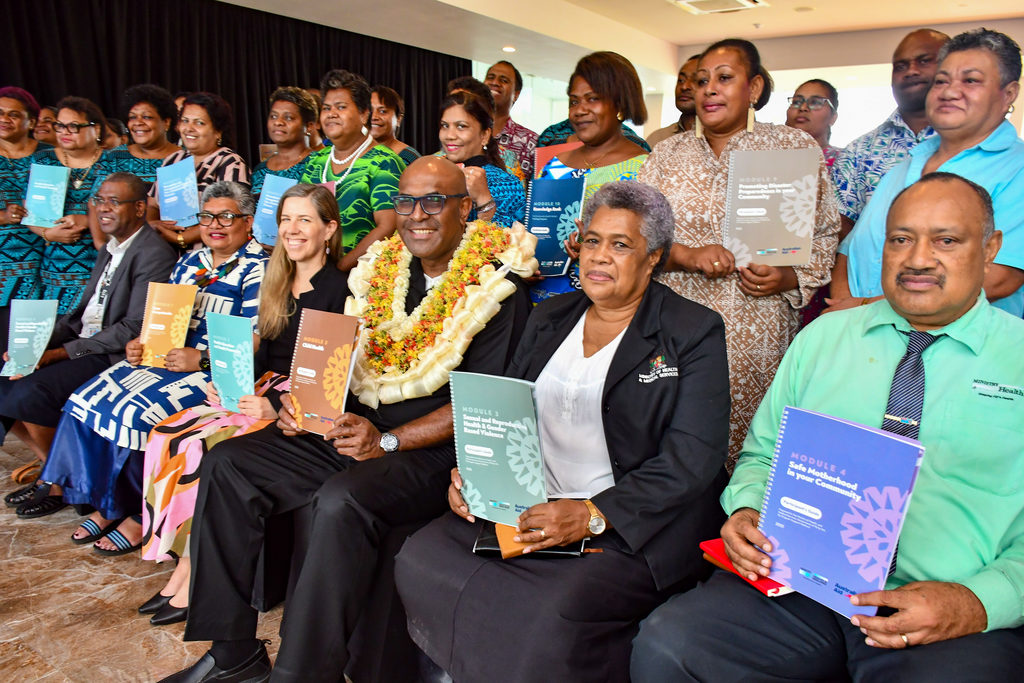
Fiji has launched its revised Community Health Worker (CHW) Training Modules, marking a strengthened push to improve primary healthcare delivery, particularly in rural and hard to reach communities, while tackling the country’s rising burden of non-communicable diseases.
Minister for Health and Medical Service Dr Ratu Atonio Lalabalavu said the program is designed to better equip frontline workers with the skills needed to respond to evolving health challenges.
“There has been a shift to align core competencies and activities toward addressing the infectious disease burden linked to lifestyle and behaviour-related non-communicable diseases, especially diabetes, cardiovascular disease, and cancer in women,” he said.
He emphasised that community health workers remain central to the system.
“Community health workers provide a critical link between the formal sector and the designated communities in which they operate.”
He said their role was particularly evident during recent crises.
“During the COVID-19 outbreak, community health workers were actively involved in checking, assessing, and reporting on individuals who were on home isolation in their communities.”
The initiative is also expected to strengthen service delivery nationwide.
“Today’s launch is the combined efforts of both the Australian and Fijian governments to improve health service delivery to rural and hard-to-reach communities in Fiji and ultimately contribute towards addressing Fiji’s health burden of preventable non-communicable disease and HIV.”
Highlighting the broader significance of the program, Emma Hivo from the Australian High Commission said the initiative focused on strengthening community-centred healthcare and improving health outcomes of all Fijians, wherever they live.
“Good health is not about treating illness when people present at hospitals or clinics, but it’s about keeping people healthy and well through prevention, early intervention, and health education,” she said.
She added the revised modules will ensure workers are equipped with updated knowledge, renewed skills, and confidence to respond to emerging health priorities.

