
FIJIANS are being urged to take a more proactive approach in safeguarding their food security, as looming disasters threaten supply stability across the country.
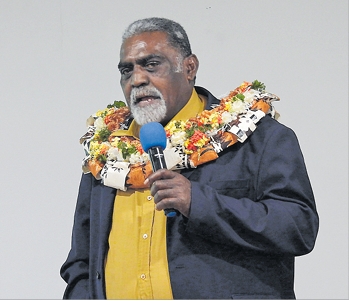
Minister for Agriculture Tomasi Tunabuna said food security was not the responsibility of Government alone, particularly as economic pressures intensified from the Middle East conflict and the impact of Tropical Cyclone Vaianu.
“People should turn backyard spaces into productive gardens as part of a broader push to strengthen resilience at the community level,” he said
“That is one area that we thought will improve our performance as far as disaster preparedness is concerned.”
He noted that recent investments in infrastructure, including improved internet connectivity for isolated stations, were already enhancing coordination and response times during emergencies.
Mr Tunabuna said strengthening preparedness remained central to current policy direction, especially for communities vulnerable to supply disruptions. Controlled agriculture, he added, would play a key role in stabilising food access, even in urban areas where land was limited.
“So that is an area that we thought will help mitigate in this disaster effectiveness, whereby we will control the quality, the supply of vegetables through controlled agriculture,” he said.
The approach is expected to allow families in towns and cities to supplement their food needs while easing pressure on national supply chains during extreme weather events.
Farmers in rural and maritime areas are also being incorporated into a coordinated national response aimed at accelerating recovery efforts following TC Vaianu.
Mr Tunabuna said a comprehensive database developed over several years was guiding the ministry’s response across all regions.
“It has the records of all the farms and is being continuously updated,” he said.
“Before we receive reports from offices who are doing field verification on damage, we already have some idea on the number of farmers in those localities, from the farmers themselves.”
He said the data-driven approach was ensuring assistance reached even the most remote communities, including maritime islands.
“So we are guided by the database that we have, so we were already doing the planning of how we are going to address the damages.”

