A Reuters reports from Papua New Guinea should be a cause for concern for us in the Pacific
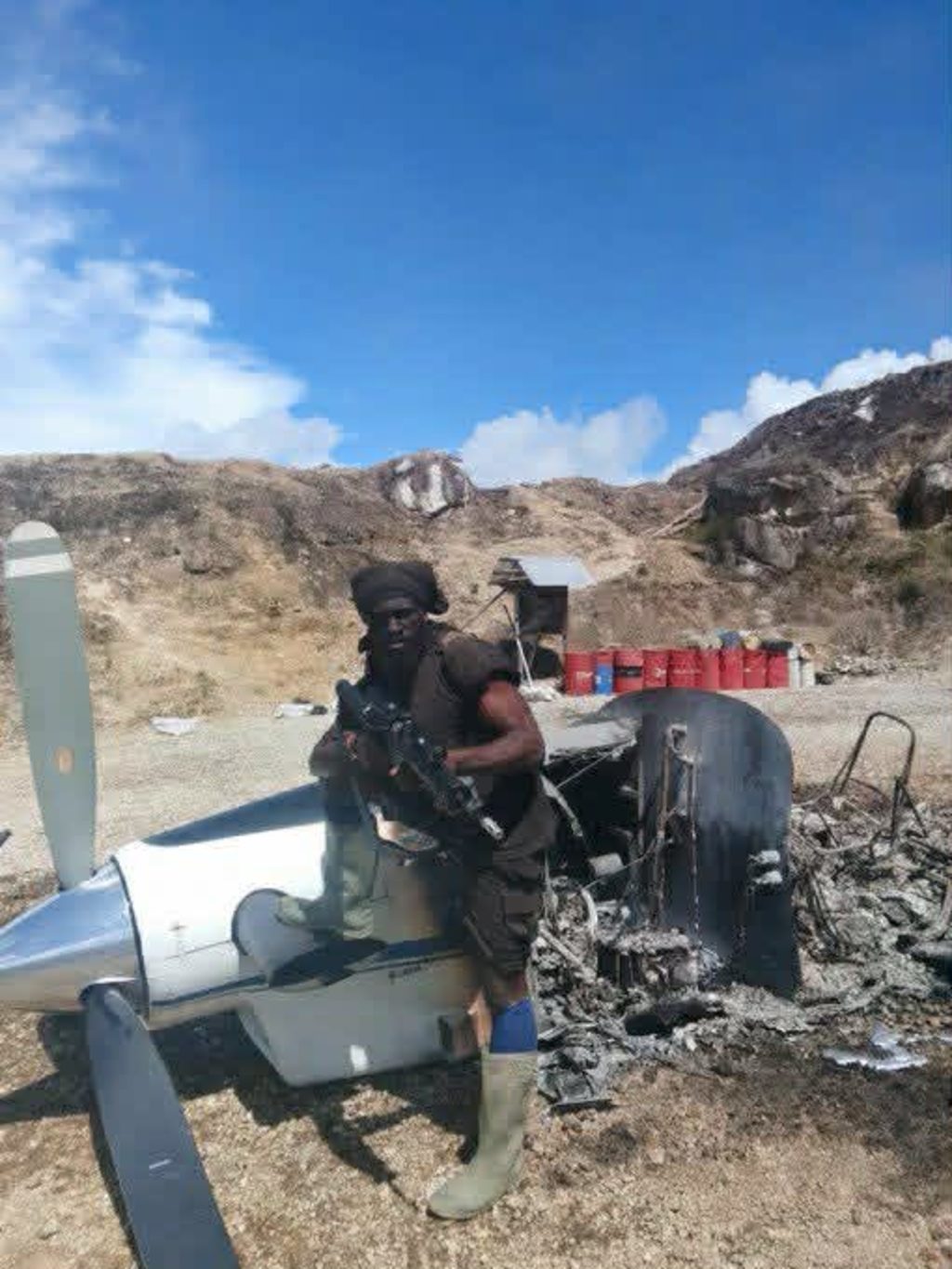
According to the report, a spokesperson for the West Papua National Liberation Army, or TPNPB, claimed that its fighters shot dead an American pilot and burned a civilian aircraft after it landed in Yahukimo, in Highland Papua. Indonesian security officials confirmed that a plane carrying an American pilot and seven Papuan passengers was found burned at a local airport, although they had not yet confirmed whether the aircraft had been attacked or whether the pilot had been killed.
Those details are serious enough. But one further detail should matter deeply to anyone in the Pacific who understands distance, isolation and the importance of transport. The aircraft reportedly belonged to PT AMA, an operator whose planes carry food, fuel and mail to remote villages in Papua.
That is not a minor fact. Aircraft are lifelines
For Fiji, a country that has increasingly positioned itself as a regional voice for dialogue and stability, this should not be viewed as someone else’s conflict. Fiji has consistently advocated an Ocean of Peace and the peaceful resolution of disputes. Those principles also require recognising that civilian transport and essential services should never become casualties of armed violence.
In Papua’s mountainous terrain, where many communities are separated by distance, weather and limited road access, small aircraft are not luxuries. They are lifelines. They connect remote villages to supplies, communication, medical access, administration and the wider economy. When such lifelines are threatened or burned, the cost does not fall only on Jakarta. It falls on ordinary Papuans.
Fiji understands this instinctively. As an island nation whose own communities depend on aircraft, ferries and shipping services to remain connected, we know that when transport links are disrupted, it is ordinary families—not political actors—who bear the greatest burden.
This is the part of the Papua conversation that is too often missing in the Pacific.
The conflict is frequently presented as a simple story of civilians against the state. That framing is emotionally powerful, but it is incomplete. It leaves out the presence and violence of armed groups. It leaves out their threats against transport routes. It leaves out the effect of fear on pilots, passengers, teachers, health workers, traders and families in remote communities.
More than one truth
A serious conversation about Papua must be able to hold more than one truth at the same time. Yes, civilian welfare matters. Yes, allegations of misconduct by security forces should be investigated. Yes, development and governance in Papua require attention, transparency and public trust. But none of that justifies pretending that armed violence does not exist, or that every security response happens in a vacuum.
A civilian aircraft is not a military slogan. A pilot landing in a remote area is not a political symbol. Food, fuel and mail are not instruments of occupation. They are part of the basic infrastructure that keeps isolated communities alive and connected.
If armed groups threaten aircraft, burn planes or make transport operators afraid to fly, the damage is not symbolic. It is practical and immediate. Flights may be delayed. Operators may become more cautious. Supplies may become harder to deliver. Costs may rise. Villages that already live with isolation may become even more isolated.
The people who pay first are not ministers, generals or foreign commentators. They are families waiting for food, fuel, medicine, letters, transport and emergency assistance.
Cost of selective concern
That is why the familiar propaganda line that Papua is simply a struggle of people against state power must be challenged. It is too neat. It is too selective. It asks the world to see state authority, but not armed intimidation. It asks the world to speak about rights, but not about the right of civilians to live without fear. It asks the world to condemn security operations, but remain quiet when armed groups endanger the very people they claim to represent.
There is nothing compassionate about selective concern.
Fiji’s regional leadership also carries a responsibility for consistency. If we are prepared to speak out against abuses committed by states, we should be equally prepared to condemn violence committed by armed groups when it places civilian lives and essential services at risk.
If the Pacific wants to speak about Papua with moral seriousness, it must speak about all forms of harm. Harm caused by poor governance should be addressed. Harm caused by excessive force should be investigated. Harm caused by armed groups should also be condemned. Human rights cannot mean outrage in one direction only.
Security and human rights
Public order is not the enemy of human rights. In remote regions, it is often the condition that allows rights to be enjoyed at all. A child’s education depends on teachers being able to reach schools. A family’s health depends on medical workers, medicine and transport corridors being protected. A village’s connection to the outside world depends on pilots and operators believing they can fly without being targeted.
This does not give the state a blank cheque. Security operations must remain lawful, disciplined and accountable. If mistakes are made, they must be examined through credible processes. Civilian protection must remain central. But civilian protection also means protecting civilians from armed groups, not only from the possible excesses of the state.
That balance is often missing in Pacific debates about Papua. Too much commentary begins with the assumption that state presence is automatically oppression and armed resistance is automatically liberation.
Who really suffers?
The burning of a civilian aircraft should force a more honest question: who is protected when aircraft stop flying? Who benefits when pilots are afraid? Who suffers when food, fuel and mail routes are disrupted?
The answer is not difficult. Remote Papuan communities suffer.
The Pacific understands this better than most regions. In island societies, a boat, a plane or a supply route is never just transport. It is connection. It is confidence. It is the knowledge that a community is not forgotten. When a route becomes dangerous, the damage spreads beyond the incident itself. Trust weakens. Access shrinks. Fear grows.
That is why attacks on civilian connectivity cannot be romanticised as political expression. They are not abstract acts of resistance. They can make daily life harder for the same civilians whose welfare is used to justify the cause.
More honest conversation
This is where Fiji can help shape a more disciplined Pacific conversation. As an advocate for peaceful dialogue and regional stability, Fiji is well placed to encourage a discussion that rejects simplistic narratives and focuses instead on the safety and wellbeing of ordinary Papuans. Concern for Papua should not mean accepting every slogan from armed groups. Compassion should not mean ignoring violence when it comes from actors opposed to the state. Solidarity should not mean excusing threats against civilian movement, logistics and services.
A more honest regional position would start with civilian protection. It would ask whether an action makes Papuan families safer or more vulnerable. It would ask whether burning aircraft strengthens community life or isolates communities further. It would ask whether targeting transport routes advances justice, or simply turns basic services into dangerous work.
The answer matters because propaganda thrives when one side of harm is made visible and the other side is hidden.
Papua deserves better than selective storytelling. Its people deserve security, services, accountability and development that reaches them. They also deserve a debate that does not erase the violence of armed groups simply because that violence does not fit a preferred political narrative.
Pacific’s responsibility
If Fiji is to lead regional conversations on peace and security, it must be prepared to apply the same principles regardless of who commits the violence.
A serious Pacific conversation about Papua cannot ignore the violence of armed groups. When civilian aircraft, pilots, passengers, food, fuel and mail routes become targets, the issue is no longer only political expression. It becomes a question of civilian protection, public order and the survival of basic services.
It becomes a question of whether the Pacific—including Fiji—is prepared to defend the safety and dignity of ordinary civilians with the same conviction, regardless of who threatens them.
This commentary draws on reporting by Reuters, the Associated Press, the South China Morning Post and Indonesia’s Antara News Agency on the July 2, 2026 attack in Yahukimo, Highland Papua, in which an American pilot was killed and a civilian aircraft operated by PT AMA was destroyed. While these organisations differ in emphasis and perspective, their reporting provides the factual basis for the events discussed in this article.
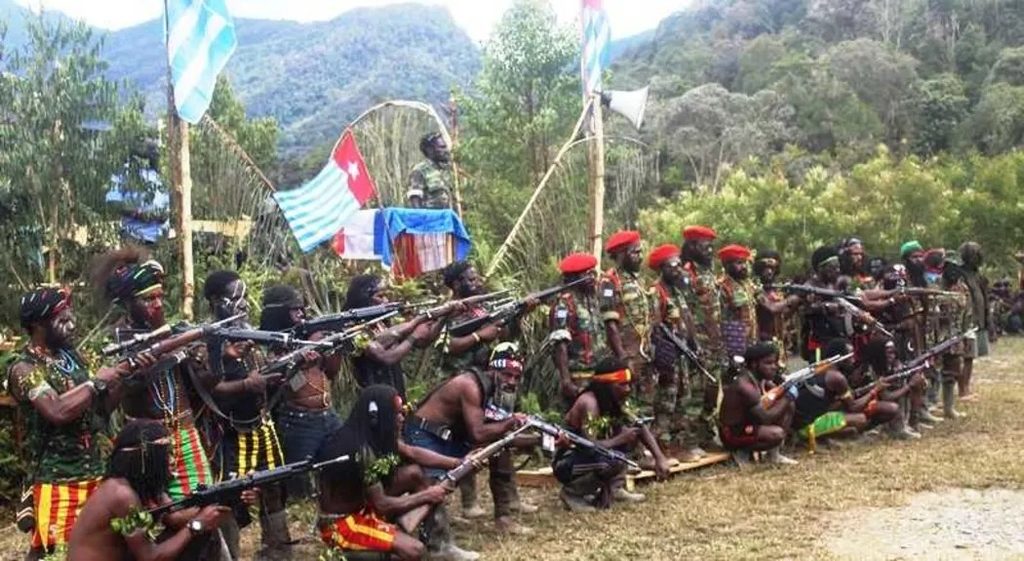
Remote communities across Papua depend on small aircraft to deliver food, fuel, medicine, mail and other essential supplies. Attacks on civilian transport routes threaten not only infrastructure but also the safety, wellbeing and connectivity of the communities that rely on them. Picture: SUPPLIED