

A dedicated agency in government that looks into men’s issues, has become a hot topic recently, particularly within civil society and human rights spaces.
While many may sneer at the suggestion, its merits and potential vices are worth examining and weighing up against each other, for us to truly consider whether it is a workable solution.
“Nip it in the bud”
Opposition MP Rinesh Sharma during a parliamentary debate in October this year, stood up on the floor of the House and asked the government with a straight face, “Where is the Ministry for Men?”
Mr Sharma while acknowledging the serious issue of violence against women, including nine deaths this year, argued that the government must stop treating violence as a gender-exclusive issue.
Citing data from the Fiji Police annual report, the MP stressed that violence and abuse does not respect gender, age, race, or income and that men too are victims of abuse, toxic relationships, and most critically rising suicide rates.
CMF pastor, Reverend Manasa Kolivuso earlier this month also aired his concerns on the issue, stating that men should be the focus when dealing with sexual offences against children and women because they are “the root of the problem”.
As such Mr Kolivuso calls for the establishment of a “Department of Men” to streamline efforts to deal with the issue.
He emphasised that the focus should be on the perpetrators and “nipping the problem in the bud.
“We must do something with those who are actually committing the crime. Only then can we say we are being proactive in our approach.”
Concept misunderstood
One of the lead women’s empowerment organisations in the country however criticised the proposals stating that it reflects a deep misunderstanding of gender inequality and the purpose of Fiji’s existing gender machinery.
Fiji Women’s Crisis Centre coordinator and activist, Shamima Ali stressed that women have been structurally excluded for generations in law, politics, economic life and national decision-making.
Ms Ali such a department would have several harmful consequences, including reducing already scarce resources needed for violence prevention and survivor support, as well as create a false equivalence between men’s challenges and women’s systemic discrimination.
“Women’s rights work remains severely underfunded. Redirecting resources to a ‘Men’s Department’ would undermine hard-won progress,” she said.
“I love you son”
Earlier this week, The Sunday Times had the opportunity to hear first hand from an NGO working in the men’s empowerment space and what their concerns are regarding the issue.
Paul Morrell is the founder and director of the Men Empowerment Network (MEN) and has been involved in advocacy, awareness, and solutions-based campaigns focusing primarily on empowering men to become better role-models and leaders.
He shared that men are often told to deal with their problems alone, while women are encouraged to talk about their issues through services like the crisis centre.
Mr Morrell highlighted that for men, the message is usually “be a man and deal with it,” and if they open, they risk being laughed at.
“This is a harmful perception many of us were raised with. The ideas that opening up makes you weak is wrong,” he said.
“We mentor many men through this because it is genuinely difficult for them to share their problems, issues, and challenges.”
This stigma must be removed completely.
Mr Morrell along with learning to open up and share about what they’re facing, men also need to learn to embrace their roles and set good examples within their families. These are juts some of the many skills being taught at MEN to young boys and grown men alike.
“Many men have never heard their father say, “I love you.” For most of us, we only understood our fathers’ love through material things like a phone, a boat, something tangible,” he said.
“Fathers rarely say, “I love you, son.” We encourage men to change this: look at your son and say, “I love you. Have a good day in school.” Give them a hug before they go.”
Breaking the persistent negative mindset is what drives Mr Morrell and his team at MEN.
Patriarchy and leadership
Many in the feminist movement are quick to blame patriarchy. But when asked for an alternative—matriarchy? —the answer is often no. The question therefore becomes, what is the solution?
Mr Morrell believes that patriarchy is simply a system and the problem arises when an abusive leader sits at the top, someone who won’t listen and insists it’s “my way or the highway.”
He said that this is when the system becomes harmful and this is why MEN is focused on empowerment.
“Men already hold power, but they need the skills to use that power responsibly. Many men misuse it. Some sit in positions of authority, as chiefs or as fathers and treat their wives and children as possessions, using their roles to dictate everything. That behaviour is toxic,” he said.
“But imagine training young men to become leaders who can facilitate inclusive village meetings, where men speak, and then the leader invites women to share their voices, and then the youth.”
Mr Morrell stressed that Fiji today craves for leadership that brings all voices together and he explained that the system of patriarchy isn’t the issue but rather the people within it.
He emphasised that traditional leaders in particular need training and guidance because Fiji already has “wonderful chiefs and leaders at the community level.”
“Toxic leadership isn’t limited to men, even a female boss can be difficult to work with if she refuses to listen and imposes strict control.”
The family activist shared that a good leader listens to ideas, options, and opinions; values diverse voices; understands real needs.
Mr Morrell also expressed his support for a “department of men” within government which could work side by side with the department of women, as part of a much more inclusive “Ministry of Family.”
He stressed that the concept should not be viewed with hostility because it would encourage the framing of issues from a family lens and not through a gender lens, where each group pushes their own agenda.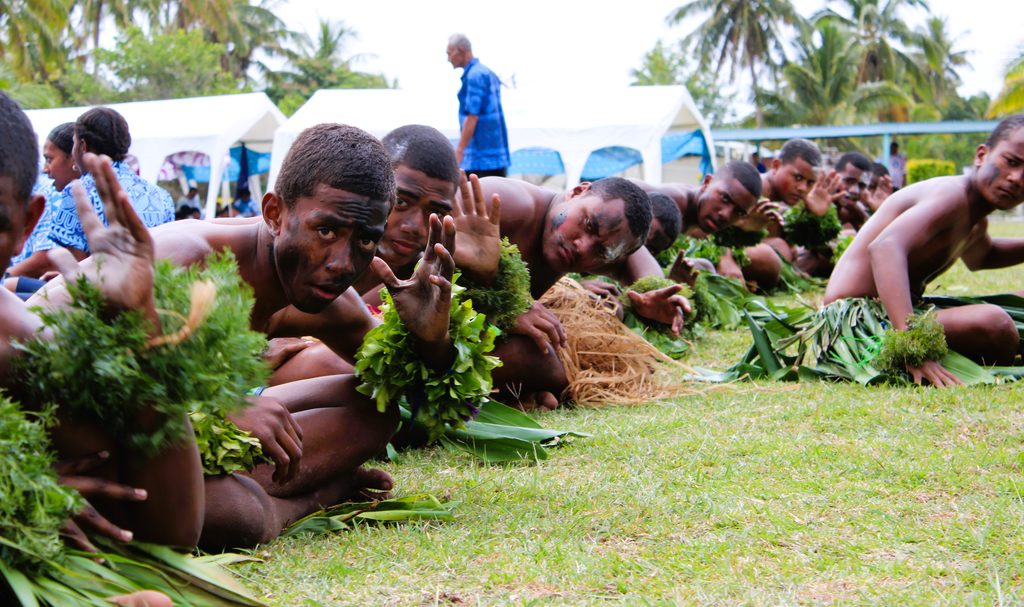
Young men of Matuku Secondary School perform a traditional meke. Firm grounding in traditional values and teachings is vital for nurturing responsible and loving men. Picture: ALIFERETI SAKIASI
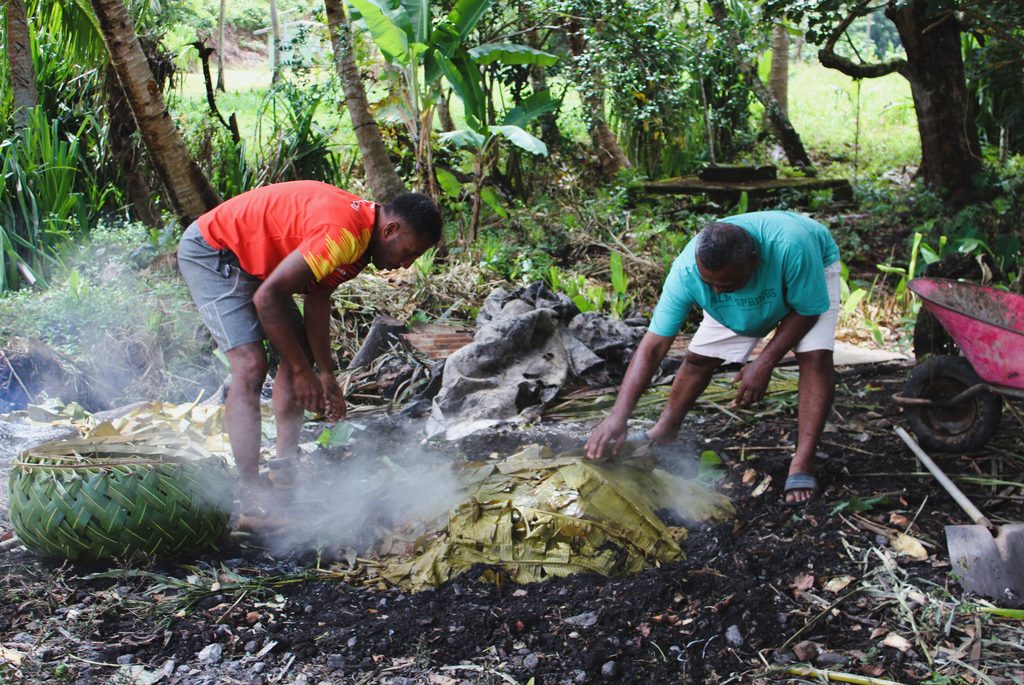
Men of Lomati Village in Matuku prepare a lovo for Sunday lunch. Picture: ALIFERETI SAKIASI

